
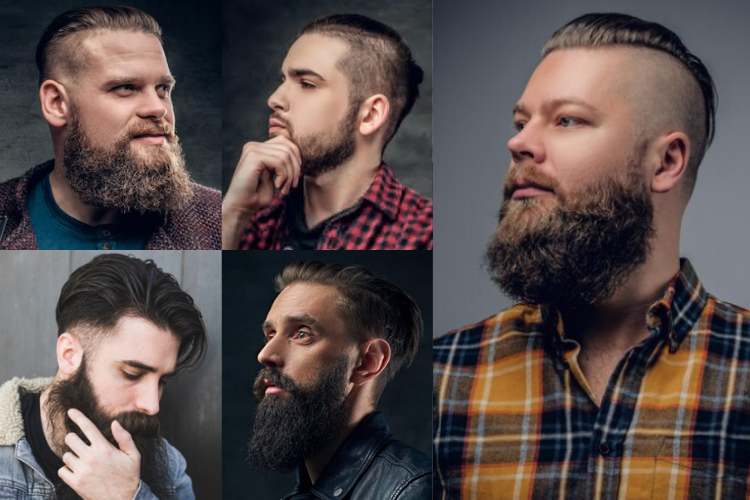
A clean fade can make your haircut look sharp, but the beard determines whether your face looks balanced or unfinished. After years of trimming my own beard and reviewing routines submitted by readers, a consistent pattern emerges across various face shapes and growth types.
Barbers deliver clean fades, while beards grow out with uneven density, dry skin, and weak cheek lines that change the shape of the face within ten to fourteen days. The mismatch creates heavy jawlines, soft necklines, and patchy growth that pulls attention away from the haircut. Some inspirations also adopt fade beard styles with fade hair.
This guide discusses ten fade and beard combinations that men use in their real grooming routines. Each style explains fade height, beard length, face shape fit, and trimming schedules that keep beard lines sharp between visits.
The routines focus on skin health, growth patterns, and shaping habits that maintain fullness and reduce the uneven growth that causes most styles to lose their structure.
What Is a Fade Haircut with a Beard?
A fade haircut paired with a beard creates a clean contrast between your hair and facial hair. The gradual transition from short to longer hair on your head frames your face and makes beard lines stand out more. This combination works because the fade provides structure while the beard adds character.
Most men choose fades with beards because the sharp haircut makes everyday grooming look more intentional. The fade draws eyes upward toward your face while the beard defines your jawline. Together, they create a balance that works across different face shapes and beard lengths.
Understanding Fade Heights and Beard Pairing Basics
Fade haircuts work through gradual length changes. Hair transitions from very short at the bottom to longer at the top. Where this transition starts on your head determines the beard fade type.
Low fades start just above your ears. Mid fades begin around temple level. High fades start near the top of your head. Skin fades take the shortest section down to bare skin instead of leaving stubble.
Fade height affects how your beard appears. Higher fades create more contrast and work well with shorter beards or stubble. Lower fades suit medium to long beards better because they keep proportions balanced. The rule isn’t strict, but it helps when you’re deciding which combination to try.
Both your fade and beard need regular upkeep. Fades grow out faster than standard haircuts because the contrast between lengths becomes obvious within two weeks. Beards need shaping to match the clean lines your fade creates.
10 Fade Haircut and Beard Combinations
Let’s check out the best 10 fade haircut and beard combos.
1. Low Fade with Full Beard
The low fade starts about one inch above your ears and gradually blends upward. Your barber keeps more length on the sides compared to higher fades. This pairs with beards that reach 3 to 6 inches in length.
This combination works for oval, square, and rectangular face shapes. The fuller beard balances the subtle fade without overwhelming your face. Men with strong jawlines get extra definition from this pairing.
Get your fade trimmed every 2 to 3 weeks. Trim your full beard weekly to maintain shape and remove split ends. The fuller your beard grows, the more often you need to trim stray hairs that break the outline.
Keep your neckline clean to match the sharpness of your fade. Use your Adam’s apple as a guide. Everything below that line should be shaved or trimmed very short.
2. Mid Fade with Short Beard
A mid-fade begins at your temples, where your hairline naturally curves. The transition happens over a shorter distance than low fades, creating more noticeable contrast. Pair this with beards between 1 and 2 inches long.
Round and oval faces benefit most from this style. The mid fade adds height while the short beard extends your face downward. This creates a better proportion if your face is wider than it is long.
Schedule fade trims every 2 weeks. Trim your beard twice weekly to keep the length consistent. At this beard length, even a few days of growth changes how the style looks.
Taper your beard sides to mirror the fade’s gradient. Your beard should gradually get longer as it moves from your ears toward your chin. This creates flow between your haircut and facial hair instead of a hard line.
3. High Fade with Stubble Beard
High fades start near the top of your head, leaving only 2 to 3 inches of longer hair on top. The sides go very short very quickly. This pairs with stubble beards that measure 3 to 7 days of growth.
All face shapes handle this combination well. Round faces especially benefit because the high fade adds vertical lines while stubble keeps your face from looking too long. The strong contrast between very short sides and stubble creates a masculine, maintained appearance.
Get your fade trimmed every 10 to 14 days. Trim stubble every 2 to 3 days using a beard trimmer set to your preferred length. Stubble shows unevenness quickly, so you need frequent touch-ups.
Use your beard trimmer without a guard to clean up your cheek and neck lines. Stubble doesn’t hide mistakes, so these lines need to stay crisp. Take your time when shaping edges.
4. Skin Fade with Medium Beard
A skin fade takes the shortest section down to your actual skin. There’s no stubble left at the bottom. The transition from skin to longer hair happens within an inch or two. Match this with beards between 2 and 3 inches long.
Square and oval face shapes look best with this pairing. The dramatic fade contrast works when you have beard length to balance it. Too little beard makes your face look bottom-heavy. Too much beard can overwhelm the clean fade.
Visit your barber weekly for fade maintenance. A skin fade grows out faster than other types because the contrast is so sharp. Trim your medium beard every 5 to 7 days to keep the shape consistent.
Blend your sideburns into your fade carefully. Your barber should taper your sideburns so they flow into your beard without a hard stop. At home, use multiple guard lengths on your trimmer to maintain this transition.
5. Taper Fade with Goatee
A taper fade creates a gradual transition without the sharp contrast of traditional fades. The change from short to long happens more slowly. This pairs well with goatees or extended goatees that leave your cheeks clean-shaven.
Round and oblong faces benefit from this combination. The taper adds subtle shape without dramatic contrast. The goatee elongates your face by drawing eyes downward along your chin.
Schedule taper trims every 3 weeks. Trim your goatee weekly to maintain its defined shape. Goatees need frequent attention because uneven growth becomes obvious quickly.
Keep your cheeks completely clean-shaven. This emphasizes both your taper and goatee by creating negative space. Shave every 2 to 3 days or use a trimmer without a guard if you prefer the look of freshly trimmed skin over a razor shave.
6. Low Taper Fade with Long Beard
A low taper fade starts near your ears like a low fade but transitions more gradually. The change in length happens over a longer distance. This works with beards measuring 4 inches or longer.
Oblong and rectangular face shapes handle this style well. The subtle taper doesn’t add much width, which benefits faces that are already longer than they are wide. The long beard balances your face without making it appear too stretched.
Get your taper trimmed every 3 to 4 weeks. Long tapers grow out more forgivingly than sharp fades. Trim your beard every other week to remove split ends and maintain shape. At this length, your beard gets heavy enough to pull hairs out of alignment.
Consider using a beard straightener if your long beard has a natural curl or wave. Straightened beards look more polished next to the clean lines of a taper fade.
7. High Skin Fade with Faded Beard
A high skin fade on your head paired with a faded beard creates matched gradients. Your barber takes your hair down to skin high on your head. Your beard gets tapered on the sides and neck, creating a similar gradient effect on your facial hair.
Oval and diamond face shapes work best with this style. The double fade effect is dramatic, so it needs balanced facial proportions. Men with wider cheekbones and narrower jaws get good definition from this pairing.
Both your haircut and beard need attention every 7 to 10 days. This style requires more upkeep than most other combinations. The matched fades need to grow out at similar rates to maintain the intentional look.
Have your barber fade both your hair and beard in the same session. This ensures the gradients match in length and blending technique. At home, use your trimmer with multiple guards to maintain the faded beard gradient between visits.
8. Mid Fade with Shaped Beard
A mid fade at temple level pairs with sculpted beard styles that have defined lines. Balbo beards, anchor beards, and other shaped styles work here. These beards feature deliberate gaps or shapes rather than full coverage.
Square and heart-shaped faces benefit from shaped beards with mid fades. The defined lines add structure and draw attention to your face’s angles. The mid fade keeps the overall look balanced rather than too dramatic.
Schedule fade trims every 2 weeks. Shaped beards need weekly line maintenance to keep their definition. Even a few millimeters of growth can blur the crisp edges that make these styles work.
Use the detail blade on your beard trimmer for sharp cheek and neck lines. Shaped beards like the Balbo or anchor beard depend on precise edges.
9. Low Fade with Scruffy Beard
A low fade starting near your ears creates clean contrast with an intentionally untrimmed beard. The beard keeps its natural texture and appears less manicured than other styles. This combination is groomed and relaxed.
Oval and oblong faces handle this pairing well. The low fade provides some structure while the scruffy beard keeps the overall appearance casual.
Get your fade trimmed every 3 weeks. Let your beard grow with minimal trimming between barber visits. Trim only stray hairs that stick out significantly or areas that grow faster than others.
Keep your fade sharp even as your beard stays natural. The contrast between the clean fade and textured beard makes the scruffy look appear intentional rather than neglected.
10. Skin Fade with Patchy Beard
A clean skin fade on the sides draws attention to your haircut and face structure rather than beard density. This works when your beard grows unevenly or has thin spots.
All face shapes can wear this combination. The skin fade adds interest and style even when beard growth isn’t full. Men dealing with patchy beards get a groomed appearance without needing perfect facial hair coverage.
Schedule fade maintenance every 7 to 10 days. Trim and shape your patchy beard weekly to make the most of your growth pattern.
The sharp fade redirects attention upward and away from thin beard areas. Keep your fade as crisp as possible.
Choosing the Right Fade for Your Beard Length
Short beards under 1 inch pair better with mid to high fades. The increased contrast compensates for less beard length. Low fades can disappear next to very short beards, creating an unbalanced look where neither the fade nor the beard stands out.
Medium beards between 1 and 3 inches work with any fade height. This length range gives you flexibility to choose based on face shape and personal preference rather than working around proportional limitations. Experiment with different fade types to find what you prefer.
Long beards measuring 3 inches or more match best with low to mid fades. High fades can make your face appear bottom-heavy when paired with significant beard length. The lower fade height keeps your overall proportions balanced.
Stubble creates maximum contrast with high or skin fades. The dramatic difference between very short hair and a minimal beard makes both elements more noticeable. This combination requires frequent maintenance but delivers sharp results.
Patchy beards benefit from sharp fades at any height. The clean haircut becomes the focal point rather than the inconsistent beard growth. Choose your fade height based on face shape. Keep your beard shaped and trimmed, even if growth isn’t dense.
Face shape matters more than beard length when choosing fade height. Round faces need vertical emphasis from higher fades. Long faces need width from lower fades that don’t add more height. Match your fade to your face first, then adjust beard length to balance the overall look.
FAQs
What is a fade haircut with a beard?
A fade haircut features gradual hair length transitions from short to long. When paired with a beard, the fade creates a clean frame around your face that makes beard lines more noticeable. The combination balances groomed hair with a facial hair style.
How often should I get my fade and beard trimmed?
Get your fade trimmed every 2 to 3 weeks, depending on type. Skin fades need weekly attention. Low fades can stretch to 3 weeks. Trim your beard every 5 to 7 days to maintain shape. Your beard grows continuously, so regular trimming keeps it looking intentional.
Which fade works best with a full beard?
Low to mid fades balance proportions with full beards. High fades can create bottom-heavy appearances when paired with significant beard length. Skin fades create maximum contrast but work better with medium beard lengths rather than very full beards.
Can I do a fade haircut with a beard at home?
Fades require professional cutting skills and specialized clippers. Your barber has the tools and experience to blend length transitions smoothly. Beard maintenance between visits is manageable with a quality trimmer. Focus your home grooming on beard upkeep and line cleaning rather than attempting your own fade.
What face shape suits a fade haircut with a beard?
All face shapes work with the right fade height. Round faces benefit from high fades that add vertical lines. Square faces handle mid to high fades well. Oval faces can wear any fade height. Match your fade to your face shape first, then adjust beard length for balance.
How do I ask my barber for a fade with a beard?
Specify fade height using clear terms like low, mid, high, or skin fade. Mention your preferred beard length or bring reference photos showing the style you want. Ask your barber to blend your sideburns into your beard rather than creating a hard line between them.
What products do I need for a fade and beard combo?
You need beard oil for daily moisture, beard balm or butter for styling hold, a quality trimmer with multiple guards, and a beard brush or comb. Optional items include an edge-up tool for home line maintenance. Your barber handles the actual fade cutting.
Does a fade haircut with a beard require a lot of maintenance?
Yes, this combination requires more upkeep than basic cuts and beards. Fades need frequent barber visits every 1 to 3 weeks, depending on the type. Beards need regular trimming and daily care with oils and brushes. Budget time and money for consistent maintenance.
What’s the difference between a low, mid, and high fade with a beard?
Low fades start near your ears, mid fades begin at temple level, and high fades start near the top of your head. Each creates different contrast levels with your beard. Lower fades suit longer beards better, while higher fades pair well with shorter beards and stubble.
Can a fade haircut help hide a patchy beard?
Yes, a sharp fade draws attention to your clean haircut rather than inconsistent beard growth. The dramatic contrast makes people notice your well-maintained hair and facial structure. Keep your beard trimmed and shaped to make the most of your growth pattern, even when coverage isn’t full.
Wrapping Up: Fade Haircut with Beard
After walking through these fade and beard combinations, one thing becomes clear. A good look is not only about what you leave the barbershop with, but how it holds up in the weeks that follow. The right pairing keeps your face looking put together without forcing you into constant fixes.
Choose a style that fits your face and how much time you can give it, and you will stop feeling like your haircut and beard are working against you.

I’m a regular guy who got way too into beard care and started writing it all down. Everything here comes from my own experience with my own beard, not from a brand brief.