
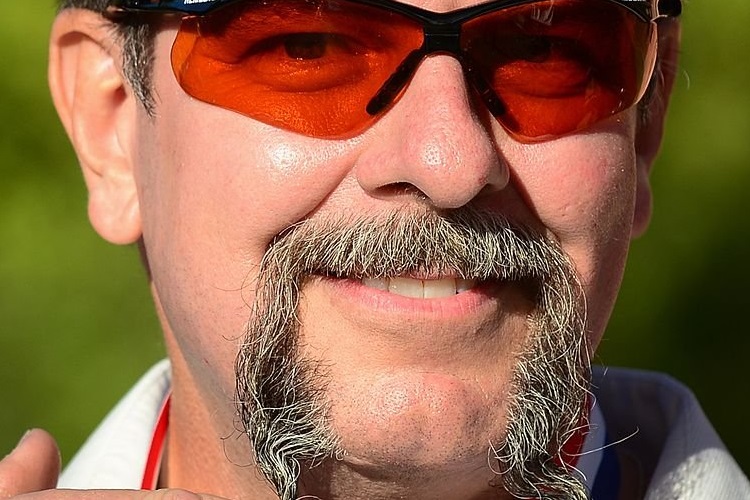
Few beard styles make a statement quite like the Fu Manchu. This thin, downward-growing mustache has roots in Chinese history and gained worldwide attention through film and pop culture over the past century. I first noticed it on a musician at a rock concert years ago, and the look stuck with me because it was so different from anything else in the crowd.
The Fu Manchu sits apart from other facial hair because it follows strict lines and grows past the chin. It takes patience to shape and maintain, but the payoff is a look that turns heads among other popular beard styles. In this guide, I’m sharing everything you need to know about this beard style, from its origins to the best ways to grow and trim it for your face shape.
What Is a Fu Manchu Beard?
A Fu Manchu beard is a mustache style that starts above the upper lip and grows straight down past the corners of the mouth, often extending below the chin. The rest of the face stays clean-shaven, which puts all the focus on those two thin strips of hair framing the mouth. Unlike a horseshoe mustache, which connects across the chin, the Fu Manchu keeps the two sides separate with a shaved gap underneath the lower lip, which makes it very different from a handlebar mustache or a Vince McMahon mustache.
The name comes from a fictional character created by British author Sax Rohmer in 1913. The character appeared in novels and films throughout the 20th century, and the mustache became linked to that image. Traditional Chinese scholars and warriors wore similar styles centuries earlier, though the Western name stuck after Hollywood made it famous.
Where Does the Fu Manchu Beard Come From?
The Fu Manchu beard has ties to ancient China. Scholars and officials during the Ming and Qing dynasties often wore long, thin mustaches that grew past their chins. This style signaled age, wisdom, and status. Older men who could grow facial hair long enough to reach their chests were seen as experienced leaders, similar to men who wear modern long beard styles.
Western audiences first encountered this look through early 20th-century fiction and film. The style became a visual shorthand in cinema, appearing on villains and martial arts masters alike. Over time, musicians, wrestlers, and bikers adopted the Fu Manchu as a symbol of rebellion and individuality. Today, it shows up everywhere from rock stages to motorcycle rallies.
Which Face Type Suits a Fu Manchu Beard?
The Fu Manchu works best on men with longer or oval faces because the vertical lines add definition without making the face look wider. The downward flow of the mustache draws the eye toward the chin, which can balance out a high forehead or narrow jawline, especially when compared to heavier full beard styles.
Round faces can also benefit from a Fu Manchu, but the effect depends on length. A longer version that drops past the chin creates the illusion of a more angular shape. Square faces suit this style well because the clean sides contrast with a strong jaw. Men with diamond-shaped faces should keep the mustache thinner to avoid overwhelming their narrower chin.
I tried the Fu Manchu after years of wearing a scruffy beard, and my friends immediately noticed the difference. It sharpened my face in photos and gave me a look that felt more deliberate than the scruff I had before.
7 Fu Manchu Beard Styles Worth Trying
1. Classic Fu Manchu
The classic Fu Manchu features two thin strips of hair that start at the outer edges of the upper lip and grow straight down past the chin. The hair stays narrow and even, usually no wider than a finger. This version keeps the mustache between four and six inches long, depending on how far you want it to hang.
I saw this style on Hulk Hogan years ago and realized how much it changed his whole appearance. Without it, he looked like a different person entirely.
2. Short Fu Manchu
A short Fu Manchu keeps the same shape but stops at the jawline or just below the corners of the mouth. This version works well for men who want the look without the maintenance of longer hair. It takes less time to style and stays neat with weekly trimming.
A friend of mine switched to this style when his workplace introduced stricter grooming policies. He kept the Fu Manchu shape but trimmed it short enough to stay within the rules. Pair it with beard butter at night for soft texture and subtle hold.
3. Fu Manchu With Goatee
The goatee Fu Manchu combines the thin mustache with a small patch of hair on the chin. The chin beard stays separate from the mustache, keeping the signature gap under the lower lip. This variation adds more weight to the lower face and works well on men with softer jawlines.
I recommended this to my cousin who felt the standard Fu Manchu looked too sparse on its own. The goatee filled out his face and gave him more flexibility with how he styled it. For goatee care, check goatee beard styles.
4. Thick Fu Manchu
A thick Fu Manchu widens the hair strips to about two fingers across. The mustache still grows downward, but the added width creates a bolder, more noticeable look. This style suits men with fuller facial hair who want the Fu Manchu shape without the wispy appearance.
Metal musicians and bikers often wear this variation. It reads as rougher and more aggressive than the thin version. Pair it with a beard straightener to maintain clean lines.
5. White Fu Manchu
The white or gray Fu Manchu carries a distinguished look that plays well on older men. The lighter color stands out against the skin and gives the style a more refined appearance. Many men who grow their Fu Manchu later in life find that the gray hair actually makes the shape more visible.
I saw an older gentleman at a barbershop last year with a silver Fu Manchu that reached his collarbone. The barber told me the man had been growing it for over a decade. Pair this with white beard styles for a cohesive look.
6. Fu Manchu With Stubble
This variation keeps the signature mustache but adds light stubble across the rest of the face. The stubble stays short, usually one to three days of growth, while the Fu Manchu grows longer. The contrast between the two lengths makes the mustache stand out more.
A coworker wore this style for a while and said it was easier to maintain than keeping his face completely smooth. The stubble hid any unevenness in his shaving. Use stubble beard styles for reference.
7. Extra Long Fu Manchu
The extra long Fu Manchu extends past the chest, sometimes reaching eight inches or more. Growing this version takes six months to a year of patience. The longer the mustache gets, the more care it needs to prevent tangles and breakage.
I met a competitor at a beard contest who had been growing his for three years. He used beard balm and beard butter to shape the ends and keep them pointed for competitions.
How to Grow a Fu Manchu Beard
Growing a Fu Manchu takes more time than most beard styles because the hair needs to reach past your chin before you can shape it properly. Here’s how to get started.
Start by growing out your full mustache for six to eight weeks without trimming. This gives you enough length to work with. Shave the rest of your face regularly during this time, but leave the hair above your upper lip alone. Using beard oil for growth can help strengthen hair and prevent breakage.
After two months, the hair should reach the corners of your mouth. At this point, begin shaving the center of your upper lip to create the gap between the two sides. Keep the outer edges of your mustache intact and let them continue growing downward.
Train the hair to grow straight down by combing it daily in that direction. A beard comb help maintain straight lines. Beard wax or a light hold balm helps keep the strands pointing where you want them. Repeat this every morning for the best results.
Within four to six months, your Fu Manchu should hang past your chin. Trim any stray hairs that stick out sideways, but avoid cutting the length until you’ve reached your target.
Fu Manchu Beard Trimming Tips
Trimming a Fu Manchu requires sharp scissors and a steady hand. The goal is to keep the edges clean without losing length.
Use small grooming scissors rather than electric trimmers for the mustache itself. Trimmers can take off too much at once and ruin months of growth. Cut only the hairs that stick out from the main shape, snipping one at a time if needed.
A razor or electric trimmer works fine for the rest of your face. Shave the cheeks, chin, and the area under your lower lip every two to three days to keep the Fu Manchu shape visible. The cleaner your face around the mustache, the more defined the style looks.
Check both sides of your mustache in the mirror to make sure they match. Uneven lengths or widths throw off the symmetry and make the whole style look sloppy. Take your time and compare the two sides before putting down your scissors.
FAQs
Is the Fu Manchu beard offensive?
The Fu Manchu beard as a style is not offensive on its own. The name comes from a fictional character that used harmful stereotypes, but wearing the mustache does not carry that same meaning today. The style has been adopted by people from many backgrounds, including musicians, athletes, and everyday men who simply like the look. Context matters, and most people who wear a Fu Manchu do so because they appreciate the shape rather than any association with old films.
How long does it take to grow a Fu Manchu beard?
A Fu Manchu beard takes four to six months to reach a visible length past the chin. Facial hair grows about half an inch per month on average, so reaching four inches requires roughly eight months. Shorter versions that stop at the jawline can be shaped within three months of growth.
Can Asian men grow a Fu Manchu beard?
Asian men can grow a Fu Manchu beard, though facial hair density varies by individual. Some men grow thick mustaches quickly, while others have finer hair that takes longer to fill in. The style historically came from East Asian culture, so the shape often suits Asian facial features well. Men with patchier growth can still wear a thinner version of the Fu Manchu. Consider using derma rollers for beard to stimulate growth.
What is the difference between a Fu Manchu and a horseshoe mustache?
The difference between a Fu Manchu and a horseshoe mustache is the gap under the lower lip. A Fu Manchu keeps the two sides of the mustache separate with a shaved area beneath the mouth. A horseshoe mustache connects across the chin in a U-shape. The Fu Manchu also tends to grow longer and thinner than the horseshoe, which usually stays closer to the jawline.
What products work best for styling a Fu Manchu beard?
Beard wax works best for styling a Fu Manchu because it provides enough hold to keep the mustache pointing downward. A small amount rubbed between your fingers and applied to the tips helps shape the ends. Lighter products like beard balm or beard butter keep the hair soft but don’t provide enough hold for shaping. For extra long versions, some men use hair pomade or even a small amount of hair gel on the tips.
How often should you trim a Fu Manchu beard?
A Fu Manchu beard should be trimmed every one to two weeks for the mustache itself and every two to three days for the surrounding face. The mustache only needs light trimming to remove stray hairs that stick out from the main shape. The cheeks, chin, and area under the lower lip need more frequent shaving to keep the Fu Manchu lines sharp and visible.
What tools are needed for a Fu Manchu beard?
The tools needed for a Fu Manchu beard include small grooming scissors, a fine-tooth comb, beard wax, and a razor or electric trimmer. The scissors handle detail work on the mustache without cutting too much at once. The comb trains the hair to grow downward. Beard wax holds the shape in place. The razor or trimmer keeps the rest of your face clean.
Does a Fu Manchu beard look good on round faces?
A Fu Manchu beard can look good on round faces when the length extends past the chin. The vertical lines created by the downward-growing mustache add length to the face and balance out the rounder shape. Shorter versions that stop at the jawline have less of this effect. Men with round faces should aim for at least four inches of length to see the slimming result.
Why does my Fu Manchu beard not look good?
A Fu Manchu beard may not look good because of uneven sides, insufficient length, or a poorly shaved face around it. The style depends on symmetry, so both strips of hair need to match in width and length. If the mustache hasn’t grown long enough yet, it can look sparse or patchy. Stubble or missed spots on the cheeks and chin also take away from the clean lines that make the Fu Manchu stand out. Related styles like neck beard might be easier to manage in early growth.
Can you combine a Fu Manchu beard with other styles?
You can combine a Fu Manchu beard with other styles like a goatee, soul patch, or light stubble. The goatee adds a chin beard that stays separate from the mustache. A soul patch places a small patch of hair just below the lower lip. Stubble across the rest of the face softens the look and requires less frequent shaving. Each combination changes the overall appearance while keeping the signature downward mustache shape. See also extended goatee beard and stubble beard styles.
Final Thoughts: Fu Manchu Beard
The Fu Manchu stands out because it breaks away from the usual beard shapes most men wear. It takes commitment and regular upkeep, but the result is a look that few others have. I’ve watched friends go from skeptical to converted once they saw how the style changed their appearance.
Whether you go with a short version that stops at your jaw or grow it past your chest, the Fu Manchu gives you something different from the full beards and stubble everyone else has. Pick the variation that matches your face shape, invest in a good pair of scissors, and give your mustache the time it needs to reach its full length.

I’m a regular guy who got way too into beard care and started writing it all down. Everything here comes from my own experience with my own beard, not from a brand brief.