
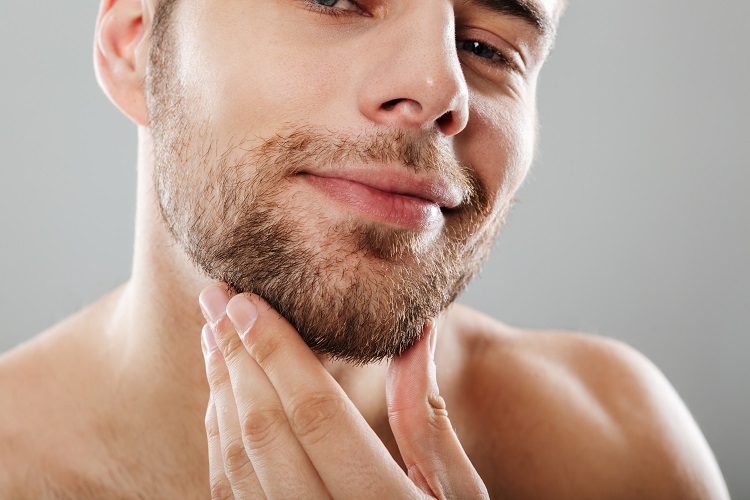
A thin beard doesn’t mean you can’t have great facial hair. I spent years assuming my sparse growth meant beards weren’t for me, until I learned that the right style and grooming approach could turn thin coverage into an intentional look. The trick isn’t hiding what you have but working with it.
Millions of men deal with thin beard hair, whether from genetics, age, or just how their follicles happen to grow. Some have patchy, thin beards on the cheeks while their chin fills in nicely. Others grow a thin beard all over that never seems to get dense, no matter how long they wait. This guide covers styles that suit thin facial hair, trimming techniques that help, and ways to make a thin beard look thicker.
What Is a Thin Beard?
A thin beard is facial hair that grows with lower density, finer strands, or visible gaps between hairs. The skin shows through even when the beard reaches longer lengths. Thin beards can result from fewer hair follicles per square inch, follicles that produce finer hair, or uneven distribution across the face.
Some men have thin beard hair only in certain areas, like the cheeks or the connectors between the mustache and chin. Others experience thinness across the entire beard. The degree varies from slightly sparse to very thin, where individual hairs are clearly visible against the skin.
Thin beards aren’t the same as patchy beards, though they often overlap. A patchy beard has distinct bare spots where no hair grows at all. A thin beard may have complete coverage, but with hair that’s fine, wispy, or spread too far apart to create a dense appearance. For styles that also suit patchy beards, see patchy beard styles.
Why Is My Beard So Thin?
- Genetics: Your inherited genes determine how many hair follicles develop on your face and how thick each strand grows.
- Age: Facial hair continues developing throughout your twenties as hormone levels stabilize. A thin beard at 20 might fill in by 30.
- Hormones: Testosterone and DHT influence beard growth. Lower levels or sensitivity can cause thinner hair.
- Nutritional Deficiencies & Stress: Lack of protein, biotin, zinc, vitamins A, C, and E, or chronic stress may thin your beard.
- Medical Conditions: Thyroid issues or alopecia sometimes affect facial hair thickness.
I blamed my thin beard on bad luck until I looked at family photos. Every man on my mother’s side had the same sparse coverage. Understanding the genetic component helped me stop chasing products that promised thicker growth and start focusing on styles that worked with what I had.
Thin Beard Growth Stages
- Week 1-2: Week one to two brings stubble that may appear uneven. Thin beard hair shows more skin at this stage, and the growth can look patchy, even if full coverage will eventually develop. Many men give up here because they assume the sparse stubble reflects their maximum potential.
- Week 3-4: Week three to four starts showing your true growth pattern. The hairs are long enough to see where you have density and where you don’t. This stage often looks messy because thin hairs stick out in different directions before gaining enough length to lie flat.
- Months 2-3: Months two to three are when thin beards start to fill in visually. Longer hairs begin to overlap and cover gaps between follicles. A thin beard grown out to this length often looks better than the same beard trimmed short because the length creates the illusion of more coverage.
- Month 4+: Month four and beyond allows thin beards to reach their best potential. The added length means hairs from denser areas can fall over thinner spots. At this stage, styling and shaping become more important than simply waiting for growth.
9 Best Thin Beard Styles
The right style makes thin facial hair look intentional rather than incomplete. These nine styles work well with lower density and finer hair.
1. Short Thin Beard
A short thin beard keeps the hair trimmed to a uniform length between three and six millimeters. This length creates shadow and definition without emphasizing sparse areas. The shortcut makes thin hair look more uniform because all the strands blend together visually.
Use a trimmer with a guard to maintain a consistent length across your face. Trim every three to four days to keep the look neat. The short thin beard works in professional settings where longer facial hair might not be appropriate.
2. Long Thin Beard
A long, thin beard lets the hair grow past one inch and uses the added length to cover sparse spots. Hair from fuller areas falls over thinner sections, creating the appearance of more density. The key is patience because thin beards need several months to reach this stage.
I was surprised how much better my beard looked after growing it out for four months. The length hid my thin cheeks almost completely, and the overall effect was much fuller than my short stubble ever managed.
3. Thin Beard With Thick Mustache
Many men with thin beards can grow a fuller mustache. The thin beard with thick mustache style plays to this strength by keeping the beard trimmed short while letting the mustache grow longer and fuller. The contrast draws attention to the strongest part of your facial hair.
This style works particularly well because viewers focus on the mustache first. The thin beard becomes a supporting element rather than the main feature. Keep the beard at stubble length while growing the mustache to full thickness.
If you prefer skipping the mustache entirely, try a beard without mustache approach.
4. Pencil Thin Beard
The pencil-thin beard embraces minimal coverage by shaping what you have into deliberate, narrow lines. A thin line of hair follows your jawline, and another outlines your chin or forms a goatee. This style looks intentional because every hair serves a purpose.
This style requires frequent maintenance to keep the lines sharp. Use a trimmer without a guard or a razor to define the edges. The pencil-thin beard suits men who can’t grow full coverage but want more definition than clean-shaven offers.
5. Thin Beard Line Up
A thin beard line-up focuses on creating sharp, defined edges around whatever coverage you have. The cheek line, neckline, and any borders around the mouth are carved with precision. Clean lines make thin beards look deliberate rather than neglected.
Visit a barber for the initial line-up, then maintain it at home with a trimmer. The contrast between the defined edges and clean-shaven areas makes the beard stand out more. This approach works at any length from stubble to a fully grown beard.
6. Thin Goatee
A thin goatee concentrates facial hair on the chin and around the mouth, which are often the strongest growth areas for men with thin beards. Shaving the cheeks removes sparse coverage from the equation entirely. A thin goatee can look neat and intentional even with limited density.
Keep the goatee trimmed evenly and the surrounding skin smooth. The style suits all face shapes and adapts well to professional environments. Many men with thin beards find the goatee their most flattering option.
7. Chin Strap Thin Beard
The chin strap thin beard runs a line of hair along the jawline from ear to ear, passing under the chin. This style works for thin beards because the narrow strip only requires coverage in one area. The rest of the face stays clean, so patchiness elsewhere doesn’t matter.
A thin chin strap adds definition to the jawline without needing dense growth. Keep the width narrow and the edges sharp. The style frames the face and creates structure even with minimal hair.
8. Patchy Thin Beard Grown Out
Growing out a patchy, thin beard takes patience but often produces better results than keeping it short. At longer lengths, hair from denser areas covers thinner spots. The beard appears fuller because you see a mass of hair rather than individual strands against the skin.
Give your beard at least three months of uninterrupted growth before deciding it doesn’t work. Use beard oil to keep the hair soft and manageable as it grows. Many men are surprised by how much their patchy, thin beard improves with added length.
9. Very Thin Stubble
Very thin stubble keeps facial hair at the shortest possible length while still being visible. This style works for men whose beards look worse at longer lengths because the hair becomes wispy or unruly. The stubble adds shadow and texture without emphasizing thinness.
Maintain very thin stubble with daily or every-other-day trimming at the lowest guard setting. The consistent length creates an even appearance across the face. This low-maintenance style suits busy schedules and conservative workplaces.
For more options, try stubble beard styles.
How to Trim a Thin Beard
Trimming a thin beard requires a different approach than trimming thick facial hair. The goal is maintaining shape without removing the coverage you’ve worked to grow.
- Start with a longer guard: You can always go shorter, but you can’t put your hair back after cutting it. For thin beards, every millimeter of length helps create the illusion of density.
- Trim in the direction of hair growth: Going against the grain on a thin beard can remove more hair than intended and create uneven patches. Move the trimmer slowly and check your progress frequently.
- Focus on the outline: Define your cheek line, neckline, and the borders around your mouth with precision. Leave the main body of the beard slightly longer to maintain maximum coverage.
- Use scissors for stray hairs: Instead of running the trimmer over the whole beard again. Scissors give you more control and prevent accidentally shortening areas that don’t need it. Snip individual hairs that stick out from the main shape.
- Clean up the neckline: A well-defined neckline makes thin beards look more intentional. Find the natural crease where your head meets your neck and shave everything below that line.
How to Make a Thin Beard Look Thicker
Several techniques can make a thin beard appear fuller without actually changing your hair density:
- Grow it longer: Hair from one area falls over another, covering gaps and creating overlap. Aim for at least one inch of length to see this effect.
- Use beard oil: Adds slight shine and clumps hairs together. When thin beard hairs stick together in small groups, they appear thicker than individual strands. Apply a few drops daily and work it through with your fingers.
- Brush or comb strategically: Training your beard hair to lie in a specific direction can cover thin spots with hair from denser areas. Use a boar bristle brush daily to teach the hair where to go.
- Moisturize your skin: Dry, flaky skin under a thin beard makes the sparseness more visible. Healthy skin provides a better backdrop that doesn’t draw attention to gaps between hairs.
- Use beard fibers for special occasions: These colored fibers attach to existing hair and fill in thin areas temporarily. They wash out easily but can make a significant difference for photos or events.
- Consider Minoxidil: Has helped some men grow thicker facial hair over time. The medication increases blood flow to follicles and can activate dormant ones. Results take six to twelve months and may reverse if you stop using the product.
How to Shape a Thin Beard
Shaping a thin beard emphasizes your strongest growth areas while minimizing attention on sparse spots:
- Identify where your beard grows best: Most men have fuller coverage on their chin and upper lip compared to their cheeks. Design your shape around these areas. A goatee or anchor beard might suit you better than trying to fill in weak cheeks.
- Set your cheek line lower: Shaving away the top portion of cheek coverage removes the wispiest hairs and creates a cleaner edge. The remaining beard below the line appears denser by comparison.
- Create strong borders: Clean edges around a thin beard make it look intentional. Use a razor or trimmer without a guard to carve precise lines along your cheeks and neck. The sharp contrast between hair and skin draws the eye away from density issues.
- Balance the shape with your face: Round faces benefit from pointed or angular beard shapes that add length. Square faces suit rounder beard bottoms that soften strong angles. Match the shape to your features regardless of density.
Thick Beard vs Thin Beard: Key Differences
Thick and thin beards require different approaches to styling and maintenance:
Aspect | Thick Beard | Thin Beard |
|---|---|---|
| Length flexibility | Can be trimmed to any length and still look full. | Better at very short or grown-out past an inch. Middle lengths can emphasize sparseness. |
| Visibility of mistakes | Hides trimming mistakes because density covers unevenness. | Shows every mistake clearly, so careful trimming matters more. |
Thinning needs | Needs regular thinning to prevent looking bulky. | Never needs thinning; avoid products that thin out hair. |
Product choice | Can handle heavy products like balms and butters. | Looks better with light products like beard oils. |
| Overall care | Can look great with the right care. | Focus on your specific growth pattern for best results. |
FAQs
Why is my beard so thin?
Your beard is thin primarily because of genetics. The genes you inherited determine how many hair follicles develop on your face and how thick each strand grows. Age also plays a role, as many men don’t reach full beard potential until their late twenties or thirties. Hormones, nutrition, and overall health can affect beard thickness, but genetics remains the main factor.
Is my beard too thin to grow out?
Most thin beards are not too thin to grow out. Longer length often improves the appearance of thin beards because hair from denser areas falls over sparse spots. Give your beard at least three months of uninterrupted growth before deciding it doesn’t work. Many men are surprised how much better their thin beard looks with added length.
How do I make thin beard hair thicker?
You cannot permanently make thin beard hair thicker through grooming products alone. Minoxidil has helped some men grow thicker facial hair over six to twelve months of consistent use. Good nutrition, adequate sleep, and reduced stress support healthy hair growth. Products like beard butter vs oil can make thin hair appear fuller by adding shine and helping strands clump together.
What is the best style for a thin beard?
The best style for a thin beard depends on where your growth is strongest. Goatees work well because they focus on the chin and mouth area, which are usually the fullest. Beard without mustache and short stubble kept at uniform length hides patchiness. Growing the beard longer allows hair to cover thin spots. Styles that require cheek coverage may not suit thin beards unless you have decent density there.
How often should I trim a thin beard?
A thin beard should be trimmed every one to two weeks for shape maintenance. Focus on the outline and edges rather than the body of the beard. The neckline and cheek line need more frequent attention than the hair itself. If you keep stubble, trim every two to three days to maintain consistent length.
Why is my mustache so thin compared to my beard?
A thin mustache compared to the beard results from different follicle density in different facial areas. Genetics determine where your facial hair grows thickest. Some men have strong chin and cheek growth but sparse coverage on the upper lip. The reverse is also common. This variation is normal and doesn’t indicate any health issue.
Can black men have thin beards?
Black men can have thin beards, though the curly texture of African hair often makes beards appear fuller than they are. Genetics vary within all ethnic groups, so some black men grow dense beards while others have thinner coverage. The same styling principles apply regardless of ethnicity: work with your natural growth pattern and choose styles that suit your density.
How do I fix a thin beard on my cheeks?
Thin beard on cheeks can be addressed by growing the overall beard longer so hair from denser areas covers the cheeks. Lower your cheek line to remove the wispiest growth and create cleaner edges. Some men use minoxidil specifically on their cheeks with varying results. Alternatively, choose a style like a goatee that doesn’t require cheek coverage at all.
How do I thin out a beard that’s too thick?
To thin out a thick beard, use thinning shears or a trimmer with a thinning attachment. Work through the beard in small sections, removing some hair from the body without changing the length. A barber can thin your beard professionally if you’re unsure how to do it yourself. This advice applies only to men with thick beards, not those trying to work with thin facial hair.
Will my thin beard get thicker with age?
A thin beard may get thicker with age, particularly through your twenties and into your early thirties. Facial hair continues developing as hormone levels stabilize during this period. Some men see significant improvement in density between ages 25 and 35. After mid-thirties, major improvements become less likely, though some continued development can occur into the forties.
Final Thoughts on Thin Beard Hacks
A thin beard doesn’t have to hold you back from great facial hair. The men who pull off thin beards best are the ones who stop fighting their natural growth and start working with it. Choose styles that suit your density, trim carefully to preserve coverage, and give your beard time to reach its potential.
I wasted years trying products that promised thicker growth and feeling frustrated with my sparse coverage. Once I accepted my thin beard for what it was and found the right style, I started getting compliments instead of self-consciousness. The same can work for you. Find your best length, keep your edges sharp, and wear your thin beard with confidence.

I’m a regular guy who got way too into beard care and started writing it all down. Everything here comes from my own experience with my own beard, not from a brand brief.