
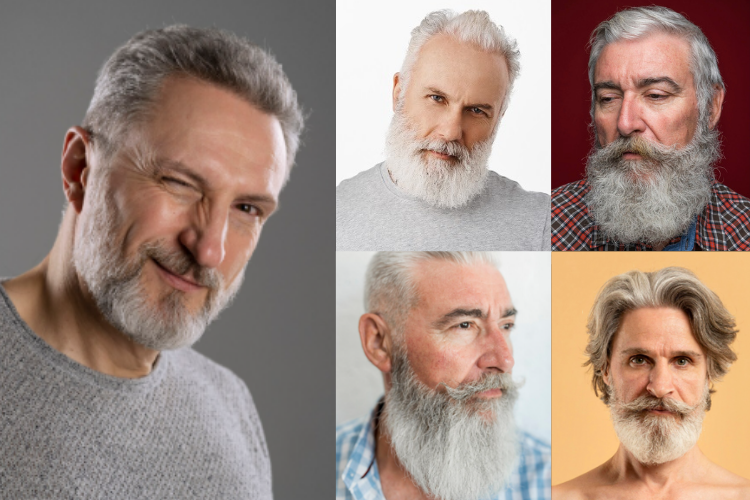
A grey beard marks a transition that every man eventually faces. I found my first grey beard hairs at 32 and spent the next few years watching the silver spread through what had been solid brown. The initial reaction was denial, followed by acceptance, and eventually appreciation for how the grey changed my appearance in unexpected ways.
Grey beards carry associations with wisdom, experience, and distinguished maturity. Some men embrace the change immediately, while others look for ways to slow or reverse it. Among the many beard styles for men, grey beards offer a unique opportunity to stand out. Whether you want to rock your grey beard proudly or explore dyeing options, this guide covers everything from why beards turn grey to the best styles for silver facial hair.
Why Is My Beard Turning Grey?
Your beard turns grey because the hair follicles stop producing melanin, the pigment that gives hair its color. Each follicle contains melanocyte cells that inject melanin into the growing hair shaft. As you age, these cells gradually become less active and eventually stop working altogether. The hair that grows without melanin appears grey, silver, or white.
Genetics play the primary role in when your beard starts greying. If your father or grandfathers went grey early, you likely carry genes that trigger the same timing. Some men see grey beard hair in their twenties, while others maintain color well into their fifties. The genetic programming for melanocyte lifespan varies significantly between individuals.
Stress can accelerate greying by affecting the melanocyte stem cells in your follicles. Research has shown that stress hormones can deplete these stem cells faster than normal aging would. While stress alone doesn’t cause grey hair, it can speed up a process that was already underway.
Nutritional deficiencies in vitamin B12, iron, copper, and zinc may contribute to premature greying. These nutrients support melanin production, and their absence can impair the process. However, supplementing these nutrients only helps if deficiency was the cause; they won’t reverse grey caused by natural aging.
Why Is My Beard Turning Grey But Not My Hair?
Your beard often turns grey before your head hair because facial hair follicles age differently than scalp follicles. Beard hair grows faster and has a shorter growth cycle than head hair, which means the follicles work harder and may exhaust their melanocyte cells sooner.
Beard follicles also develop later in life under the influence of androgens during puberty. These hormone-sensitive follicles have different characteristics than the follicles you were born with on your scalp. The independent development means they can follow separate aging timelines.
Sun exposure affects beard and head hair differently. The face receives more direct sunlight than the scalp, especially if you have hair covering your head. UV radiation can damage melanocytes, potentially accelerating grey in the beard while the protected scalp stays colored longer.
I noticed grey in my beard a full five years before finding any on my head. This pattern is common and nothing to worry about. The head usually catches up eventually, but many men maintain colored head hair for years after their beard goes substantially grey.
What Age Does Beard Turn Grey?
Most men notice their first grey beard hairs between ages 30 and 40. The average age for significant greying is around 35, but this varies widely based on genetics and ethnicity. Some men go grey in their twenties while others retain color into their fifties.
Ethnicity affects greying timelines. Caucasian men typically grey earliest, often starting in their mid-thirties. Asian men tend to grey in their late thirties to early forties. African men often grey latest, sometimes not seeing significant change until their mid-forties or later.
A grey beard at 40 is completely normal and represents the statistical average. By age 50, most men have noticeable grey in their beards regardless of ethnicity. Full white or silver beards typically develop in the sixties and beyond, though some men reach this stage earlier.
Premature greying, defined as significant grey before age 30, affects about 10 to 15 percent of men. This early greying is almost always genetic rather than caused by lifestyle factors. If you’re greying in your twenties, look at your family history for similar patterns.
9 Grey Beard Styles
Grey beards work with many styles and often look better than the same styles in darker colors. The silver adds distinction and visual interest that solid colors can’t match. Here are some popular beard styles that work especially well with grey.
1. Short Grey Beard
A short grey beard keeps the length between half an inch and one inch while letting the silver show. The short length creates a neat, professional appearance that works in any setting. Grey looks particularly distinguished at this length because the color adds texture without the bulk of a longer beard.
This style requires trimming every week or two to maintain the length. Use a guard on your trimmer to keep the coverage even. The short grey beard suits men who want to embrace their grey without committing to extensive grooming routines.
2. Long Grey Beard
A long grey beard extends past two inches and creates a commanding, distinguished presence. The length allows the full range of grey tones to show, from silver highlights to white strands mixed with remaining color. Long grey beards project wisdom and experience.
Maintaining a long grey beard requires daily care including combing, oiling, and occasional trimming of split ends. Grey hair tends to be coarser and drier than pigmented hair, so extra conditioning helps keep it soft and manageable.
3. Black and Grey Beard
The black and grey beard, also called salt and pepper, features a mix of dark and grey hairs throughout. This transitional phase often looks more interesting than either solid black or solid grey because the contrast creates visual depth. Many men find this their most flattering stage of greying.
Embrace the black and grey mix rather than trying to dye it uniform. The natural variation adds character that solid colors can’t replicate. Keep the beard well-groomed so the color mix reads as intentional rather than neglected.
4. Grey Stubble
Grey stubble keeps facial hair at heavy five o’clock shadow length, around one to three millimeters. The short grey hairs create a shadow effect that adds ruggedness without requiring beard maintenance. This style works particularly well for men with patchy growth patterns.
Maintain grey stubble by trimming every two to three days with the lowest guard setting or no guard. The style looks best when kept at a consistent length rather than allowed to grow into a short beard.
5. Handsome Grey Beard
The handsome grey beard is a well-shaped, medium-length style that’s carefully groomed to maximize the distinguished effect of grey hair. Sharp cheek lines, a defined neckline, and even coverage create a polished appearance. This style shows that grey can be deliberate and attractive rather than just a sign of aging.
Regular barber visits help maintain the handsome grey beard. Professional shaping every few weeks keeps the lines crisp. Between visits, daily brushing and conditioning maintain the quality of the grey hair.
6. Modern Grey Beard
A modern grey beard combines silver hair with contemporary styling like fades, sharp lines, and textured shaping. The style proves that grey beards don’t have to look old-fashioned. Pairing grey facial hair with a modern haircut creates a fresh, current appearance.
The modern grey beard often includes a fade at the sideburns that blends into the haircut. Keep the edges sharp and the shape defined for maximum contemporary effect.
7. Grey Goatee
A grey goatee concentrates the silver on the chin and around the mouth while keeping the cheeks clean. This style suits men whose grey is concentrated in these areas or who want a lower-maintenance option than a full grey beard. The goatee shape draws attention to the grey as a deliberate style choice.
Grey goatees look particularly sharp when paired with a clean-shaven face. The contrast between smooth skin and silver hair creates a striking appearance.
8. Touch of Grey Beard
The touch of grey beard features just enough silver to add interest without overwhelming the original color. This early-stage grey often appears first at the temples of the beard and around the chin. Rather than covering this initial grey, embracing it creates a mature, distinguished look.
I was tempted to dye out my first grey hairs but decided to let them stay. The touch of grey gave my beard dimension it had never had before.
9. Full White Beard
A full white beard has completed the transition from grey to pure silver or white. This stage typically arrives in the sixties or later but can come earlier for some men. The completely white beard creates a distinctive appearance that’s impossible to replicate with dye.
White beards require special care because the hair has no melanin protecting it from yellowing. Use purple-tinted shampoos occasionally to neutralize yellow tones and keep the white bright and clean.
How to Embrace Your Grey Beard
Embracing a grey beard starts with changing your mindset about what grey represents. Rather than seeing it as a sign of decline, recognize grey as a marker of experience and distinction that younger men can’t replicate.
- Keep your grey beard well-groomed. The difference between a grey beard that looks distinguished and one that looks neglected comes down to maintenance. Regular trimming, conditioning, and shaping show that you’re proud of your grey rather than letting yourself go.
- Find a style that flatters your grey. Some styles look better in grey than in darker colors. Experiment with different lengths and shapes to find what works best with your particular shade of silver.
- Use products designed for grey hair. Grey beard hair is typically coarser and drier than pigmented hair. Richer beard oils and balms help keep grey hair soft and manageable. Purple shampoos occasionally prevent yellowing.
- Look at men with grey beards who you find attractive. Actors like George Clooney, Jeff Bridges, and Idris Elba have made grey beards stylish. Use their looks as inspiration for what’s possible with silver facial hair.
How to Dye Beard Grey
Some men want to dye their beard grey intentionally, either to accelerate a natural process or to achieve the silver look at a younger age. Dyeing a beard grey requires different techniques than covering grey with darker color.
- Step 1: Bleaching comes first for dark beards. You can’t dye dark hair grey without first removing the existing pigment. Use a beard-safe bleach product and follow the timing instructions carefully. Bleaching lifts the color to a pale yellow or white base that accepts grey dye.
- Step 2: Apply grey or silver dye after bleaching. Look for products specifically designed for achieving grey tones rather than covering them. These dyes deposit cool silver or grey pigment onto the bleached hair. Multiple applications may be needed to reach your desired shade.
- Step 3: Temporary grey color products offer a less committal option. Sprays, gels, and waxes can add grey tones that wash out after one shampoo. These work well for testing whether you like the grey look before committing to permanent dye.
- Step 4: Professional help produces the best results for permanent grey dyeing. The process involves multiple steps and can easily go wrong. A barber or salon experienced with men’s facial hair can achieve natural-looking grey that’s difficult to replicate at home.
Grey Beard Dye: Options for Covering or Adding Grey
Grey beard dye products fall into two categories: those that cover grey with darker color and those that create or enhance grey. Understanding your options helps you choose the right approach.
Permanent beard dye covers grey completely and lasts until the hair grows out. These products contain developer that opens the hair cuticle and deposits color inside. Results last four to six weeks before the grey roots become visible and touch-ups are needed.
Semi-permanent dye covers grey more gently and fades gradually over several weeks. These products coat the hair rather than penetrating it, resulting in less damage but also less complete coverage. Semi-permanent options work well for men who want to reduce grey without eliminating it entirely.
Touch of grey products blend some grey while covering the rest. These specialized dyes are designed to leave about 20 to 30 percent of your grey showing while darkening the remainder. The result looks more natural than complete coverage and requires less precise application.
Grey-enhancing products brighten and tone existing grey without adding artificial color. Purple toning shampoos and silver-enhancing conditioners remove yellow tones and make grey appear brighter and more silver. These don’t add grey but improve the appearance of what you have.
How to Stop Grey Hair in Beard
Stopping grey hair in your beard is largely impossible once it has started. The greying process reflects changes at the cellular level that can’t be reversed with topical treatments or supplements. However, some strategies may slow the progression.
- Address nutritional deficiencies if they exist. Blood tests can identify low levels of B12, iron, copper, or zinc that might contribute to premature greying. Correcting these deficiencies won’t reverse grey that already exists but may slow further greying if deficiency was a factor.
- Reduce stress where possible. Chronic stress accelerates the depletion of melanocyte stem cells. While stress reduction won’t bring back lost color, it may help preserve remaining pigmented follicles longer.
- Protect your beard from sun damage. UV radiation can harm melanocytes and potentially speed greying. Beard balms with SPF or simply spending less time in direct sunlight may offer some protection.
- Be skeptical of products claiming to reverse grey. No topical product can restore melanocyte function once it’s lost. Products advertising grey reversal either temporarily coat the hair with color or make unsubstantiated claims. Save your money and consider embracing the grey instead.
FAQs
Why is my beard turning grey?
Your beard turns grey because hair follicles stop producing melanin, the pigment that provides color. This happens as melanocyte cells in the follicle age and become less active. Genetics primarily determine when greying starts, though stress and nutritional deficiencies can accelerate the process.
What age does beard turn grey?
Most men notice first grey beard hairs between ages 30 and 40, with the average being around 35. Ethnicity affects timing, with Caucasian men typically greying earliest and African men latest. Significant greying by age 50 is nearly universal regardless of background.
Can I dye my beard grey?
You can dye your beard grey, but the process is more complex than regular dyeing. Dark beards need bleaching first to remove existing pigment, then grey or silver dye is applied. Temporary grey products offer a less permanent option. Professional help produces the most natural-looking results.
Why is my beard grey but not my head hair?
Your beard often greys before head hair because facial hair follicles develop later under different hormonal conditions and may age on a separate timeline. Beard follicles also work harder with faster growth cycles, potentially exhausting their melanocytes sooner. Sun exposure to the face may also contribute.
How do I make my grey beard look good?
Make your grey beard look good by keeping it well-groomed with regular trimming, defined edges, and proper conditioning. Grey hair tends to be coarser and drier, so use rich beard oils and balms. Find a style that flatters your particular shade of grey, and maintain it consistently to show the grey is intentional.
Can I reverse grey beard hair?
You cannot truly reverse grey beard hair once the melanocyte cells have stopped producing pigment. No topical product or supplement can restore this function. Dyeing is the only way to return color to grey hair. Products claiming to reverse grey are either temporary colorants or making false claims.
What causes grey beard hair?
Grey beard hair is caused by melanocyte cells in the hair follicle ceasing to produce melanin pigment. This happens naturally with age as these cells deplete. Genetics determine the timing. Contributing factors can include stress, nutritional deficiencies, and UV exposure, but aging remains the primary cause.
Should I dye or embrace my grey beard?
Whether to dye or embrace your grey beard is a personal choice. Grey beards can look distinguished and attractive with proper grooming. Dyeing requires ongoing maintenance and can damage hair over time. Consider your lifestyle, professional environment, and personal preference. Many men find embracing grey more freeing than constant touch-ups.
How do I prevent my grey beard from yellowing?
Prevent grey beard yellowing by using purple-tinted shampoos occasionally, which neutralize yellow tones. Avoid smoking, which causes yellowing. Protect your beard from sun exposure. Keep the beard clean to prevent buildup that can discolor grey hair. Silver-enhancing products help maintain bright, clean grey tones.
What products are best for grey beard care?
The best products for grey beard care include rich beard oils with natural ingredients like argan and jojoba, purple or silver toning shampoos for preventing yellowing, heavy beard balms for conditioning coarse grey hair, and SPF products for sun protection. Grey hair needs more moisture than pigmented hair, so prioritize hydrating products.
Embracing the Grey Beard: Final Thoughts
A grey beard represents a chapter of life that many men approach with mixed feelings. The silver strands signal experience and maturity, but they also mark the passage of time in a way that’s hard to ignore. How you respond to your greying beard says something about how you approach aging itself.
I chose to embrace my grey after briefly considering dye. The maintenance seemed endless, and the grey actually looked better than I expected once I committed to proper grooming. Whether you embrace the silver, cover it with dye, or find some middle ground with touch of grey products, the key is making a deliberate choice rather than just letting it happen. A well-maintained grey beard beats a neglected dyed one every time.

I’m a regular guy who got way too into beard care and started writing it all down. Everything here comes from my own experience with my own beard, not from a brand brief.