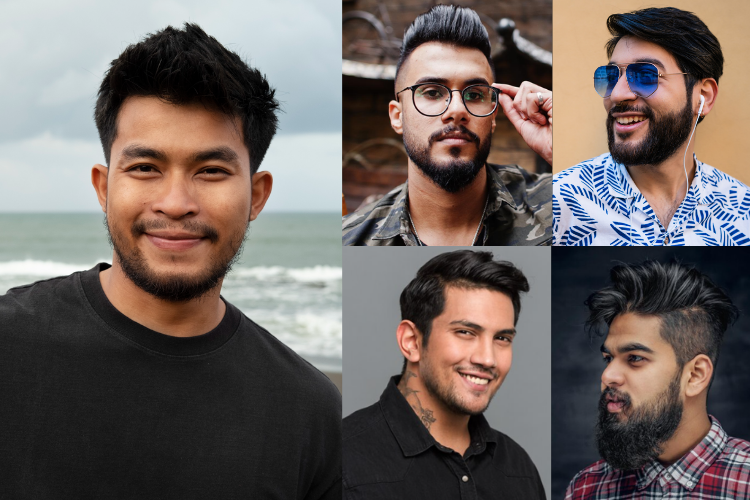
Growing a beard as an Asian man comes with its own set of challenges and advantages. I spent years thinking I couldn’t pull off facial hair because mine grew in patches and never looked like the full beards I saw on other guys. Then I learned that working with my natural growth pattern, rather than against it, made all the difference.
Asian beard growth varies widely depending on genetics, region, and individual factors. Some men grow thick, full beards without much effort. Others deal with sparse coverage, slower growth, or wispy texture that takes extra care to style. This guide covers everything from choosing the right beard style to managing patchy areas and building a care routine that actually works.
What Makes Asian Beard Growth Different?
Asian beard growth differs from other ethnicities mainly in density, texture, and coverage patterns. East Asian men, including those with Chinese, Japanese, and Korean backgrounds, tend to have fewer hair follicles per square centimeter on their faces compared to men of European or Middle Eastern descent. This creates the appearance of thinner or patchier beards even when the individual hairs are healthy.
South Asian men from countries like India, Pakistan, and Bangladesh often have denser beard growth that resembles Middle Eastern patterns. The difference comes down to genetics passed through generations. Testosterone levels play a role too, but most variation between individuals traces back to inherited traits rather than hormone differences.
The hair itself also behaves differently. Many Asian men have straighter beard hair that lies flat against the face instead of curling outward. This makes thin beards look even thinner because the hair doesn’t create as much volume. On the other hand, straight hair is easier to shape and tends to look neater with less effort, especially when compared to other popular beard styles.
How Do Asian Beard Genetics Work?
Asian beard genetics determine how much facial hair you can grow and where it appears on your face. The EDAR gene, which is more common in East Asian populations, affects hair thickness and follicle density. This same gene influences sweat glands and tooth shape, showing how deeply it connects to overall physical traits.
Your father and grandfathers give the best preview of your beard potential. If the men in your family grew full beards, you likely have the genetics for it too. If they kept clean-shaven faces or only grew mustaches, you may face similar limitations. Age matters as well. Many Asian men don’t see their full beard potential until their late twenties or early thirties, similar to patterns seen in scruffy beard growth.
I didn’t start seeing real coverage on my cheeks until I turned 28. Before that, I could only grow hair on my chin and upper lip. Patience turned out to be more useful than any product I tried.
9 Best Asian Beard Styles
The right beard style works with your natural growth instead of fighting it. Here are nine styles that suit Asian facial hair patterns.
1. Asian Goatee
The goatee focuses hair growth on the chin and around the mouth, which are usually the strongest areas for Asian men. Keep the cheeks clean-shaven and let the chin hair grow to about half an inch. This style works even with patchy cheek coverage because it removes those areas from the equation entirely. It’s a popular option among goatee beard styles for men with uneven growth.
A friend of mine wore a goatee for years before he could grow anything on his cheeks. It gave him a defined look that suited his face shape better than stubble ever did.
2. Short Asian Beard
A short beard keeps the hair trimmed to a uniform length across the entire face, usually between three and ten millimeters. This length hides patchiness better than longer styles because the short hairs blend together visually. Use a trimmer with a guard to maintain even coverage. Many men rotate between this and other short beard styles depending on their growth cycle.
I keep my beard at about five millimeters most of the time. It looks intentional rather than like I forgot to shave, and the maintenance takes only a few minutes every other day.
3. Asian Beard and Mustache
Combining a mustache with a chin beard creates a classic look that many Asian men can pull off easily. The mustache connects to the beard through the corners of the mouth, forming a frame around the lips. Keep the cheeks either clean or with very light stubble to emphasize the central hair. This style shares similarities with classic mustache-focused looks like the handlebar mustache.
This style appears frequently in Chinese and Japanese historical art, showing it has roots that go back centuries. The shape flatters most face types and requires moderate maintenance.
4. Thin Asian Beard
A thin beard embraces sparse growth rather than hiding it. Let all your facial hair grow out to the same length, even in areas with fewer follicles. The key is keeping the edges clean and defined. Sharp lines along the cheeks and neck make thin beards look deliberate. This approach is common among men experimenting with patchy beard styles.
Korean actors and musicians often wear this style on screen. The thin beard adds maturity to the face without overwhelming softer features.
5. Wispy Asian Beard
The wispy beard lets longer, finer hairs grow out naturally without heavy shaping. This style works best on men whose hair grows straight and lies flat. The look is understated and suits casual settings. Avoid over-trimming, which can make wispy beards look patchy instead of intentionally light. Using lightweight products similar to those discussed in what beard butter does helps keep hair soft without weighing it down.
A coworker of mine rocks this style and gets compliments on it regularly. He trims it once a week and uses a light beard oil to keep the hairs soft.
6. Long Asian Beard
A long Asian beard takes patience and genetics that support fuller growth. The hair needs to reach at least two inches before it starts to fill in visually. Straight Asian hair often hangs neatly at longer lengths, creating a sleek appearance that curly beards can’t match. Men exploring long beard styles often find Asian hair texture especially suited to this look.
Growing mine out took about eight months before it looked intentional rather than neglected. The waiting period tested my patience, but the result was worth it.
7. Full Asian Beard
The full beard covers the cheeks, chin, jaw, and connects to the mustache without gaps. Not every Asian man can grow this style, but those who can often find it suits them well. South Asian men and some East Asian men with mixed heritage tend to have the genetics for full coverage. This style aligns closely with classic full beard styles seen worldwide.
If you’re unsure whether you can grow a full beard, let everything grow for three months without trimming. That timeframe shows your true coverage potential.
8. Old Asian Beard
The traditional old Asian beard features a long, thin growth from the chin that can extend several inches or even past the chest. This style draws from historical depictions of scholars, monks, and wise elders. The cheeks stay clean while the chin hair grows freely downward. Similar traditional aesthetics appear in styles like the imperial beard.
I saw this style on an older man at a temple in Vietnam, and his beard reached nearly to his waist. He told me he hadn’t cut it in over twenty years.
9. East Asian Stubble
Stubble works for men who want facial hair without committing to a full beard. Keep the growth between one and three millimeters using a trimmer. This length adds shadow and definition to the face while staying professional enough for most workplaces. Many men rotate between this and other stubble beard styles.
East Asian stubble tends to look cleaner than other ethnicities because the hair grows straighter and lies flatter. The result is a five o’clock shadow that stays neat throughout the day.
How to Deal With a Patchy Asian Beard?
A patchy Asian beard frustrates many men, but several approaches can help. The first option is choosing a style that avoids your thin spots. If your cheeks don’t fill in, focus on goatee or chin strap styles that don’t need cheek coverage.
Growing the beard longer sometimes fills in patches visually. Hair from denser areas can overlap thinner spots when it reaches sufficient length. Give your beard at least two to three months of uninterrupted growth before deciding it won’t work.
Minoxidil, the active ingredient in Rogaine, has helped some men fill in patchy areas. The medication was designed for scalp hair, but many users report thicker facial hair growth after several months of application. Results vary, and the hair may thin again if you stop using it.
I tried minoxidil on my cheeks for about six months and saw noticeable improvement. The patches didn’t disappear completely, but the coverage became dense enough to grow a short beard. For maintaining a healthy beard after growth, combining it with a beard balm can enhance fullness and softness.
How to Take Care of an Asian Beard?
Asian beard care focuses on keeping the hair soft, the skin healthy, and the shape clean. The straight texture of most Asian facial hair makes it prone to looking flat or greasy without proper care.
- Wash your beard two to three times per week with a beard-specific wash or a mild shampoo. Daily washing strips away natural oils that keep the hair soft. Pat the beard dry with a towel rather than rubbing, which can cause breakage in finer hair.
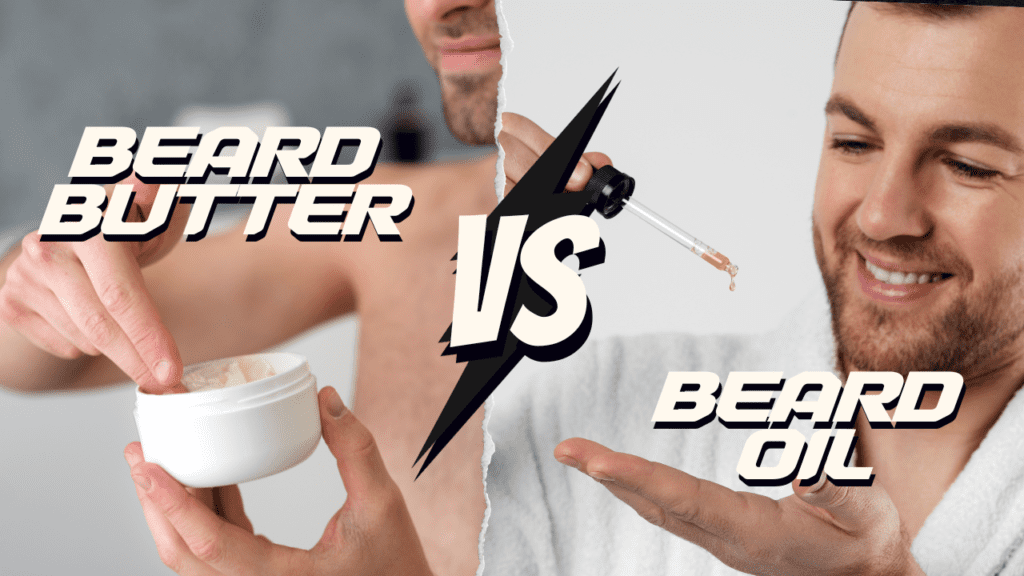
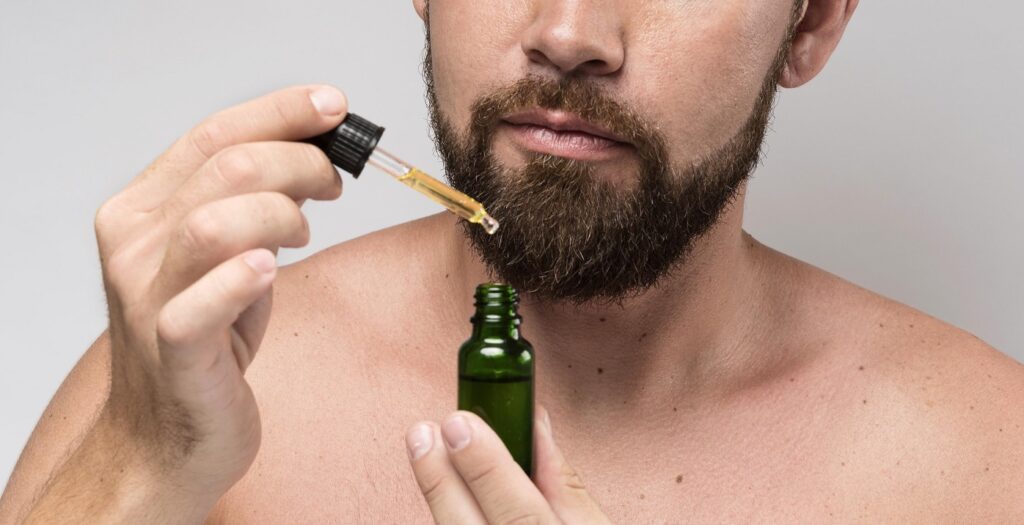
- Apply beard oil daily to prevent dryness and add a slight shine. A few drops worked through the hair and into the skin underneath keeps everything moisturized. Look for oils with jojoba or argan as the base, which absorb without leaving a heavy residue. Pair this with the right beard butter to lock in softness and manageability.
- Comb or brush your beard every morning to train the hair to lie in the direction you want. A boar bristle brush works well for shorter beards, while a wide-tooth comb handles longer lengths. This daily habit makes a noticeable difference in how neat your beard looks.
Is an Asian Beard Transplant Worth It?
An Asian beard transplant moves hair follicles from your scalp to your face, creating permanent coverage in areas that don’t grow hair naturally. The procedure costs between $5,000 and $15,000 depending on how many grafts you need and where you have it done.
Surgeons in South Korea and Thailand perform many of these procedures on Asian patients and have experience matching the results to Asian facial features. The transplanted hair behaves like scalp hair at first, growing faster and requiring more frequent trimming until it adapts to its new location.
Recovery takes about two weeks before you can return to normal activities. The transplanted hairs fall out after a month, which is normal, and new growth begins around the third month. Full results show at twelve to eighteen months after the procedure.
A cousin of mine had a beard transplant three years ago after struggling with patchy growth his whole adult life. He’s happy with the results and says he wishes he had done it sooner. The procedure isn’t for everyone, but it offers a permanent solution for men who can afford it.
FAQs
Why do some Asian men struggle to grow beards?
Some Asian men struggle to grow beards because of genetic factors that reduce the number of hair follicles on the face. East Asian populations carry gene variants like EDAR that affect hair density and thickness. Lower follicle counts mean less coverage even when existing hair grows normally. Testosterone sensitivity also varies between individuals, which influences how facial hair responds to hormones during puberty and adulthood.
At what age do Asian men grow full beards?
Asian men typically grow full beards between their mid-twenties and early thirties. Many don’t see their complete beard potential until age 28 or later. Facial hair continues developing throughout a man’s twenties as hormone levels stabilize. Men who have little growth at 20 often see significant improvement by 30.
What is the best beard style for patchy Asian growth?
The best beard style for patchy Asian growth is a goatee or chin beard that focuses on the strongest growth areas. These styles avoid the cheeks, where patchiness is most common. Short stubble kept at three to five millimeters also hides thin spots by creating uniform shadow across the face. For styling, consider using Best Beard Butter to keep hairs soft and manageable.
Does minoxidil work for Asian beard growth?
Minoxidil works for Asian beard growth in many cases, though results vary by individual. The medication increases blood flow to hair follicles and can stimulate dormant follicles to produce visible hair. Most users apply it twice daily for six to twelve months before seeing significant results. The new hair may thin if you stop using the product.
How do South Asian beards differ from East Asian beards?
South Asian beards differ from East Asian beards in density and coverage. Men from India, Pakistan, and Bangladesh often grow thicker, fuller beards similar to Middle Eastern patterns. East Asian men from China, Japan, and Korea tend to have sparser growth with fewer follicles per square inch. Understanding these differences can help you select styles that suit your growth pattern. Using derma rollers for beard can also enhance growth in sparse areas.
How often should you trim an Asian beard?
An Asian beard should be trimmed every one to two weeks to maintain its shape. Shorter styles like stubble need trimming every two to three days to stay at the desired length. The neckline and cheek lines require more frequent attention to keep edges looking clean. Straight Asian hair shows uneven growth more clearly than curly hair, so regular trimming matters more.
What causes wispy Asian beards?
Wispy Asian beards result from finer hair texture combined with lower follicle density. The individual hairs grow thinner than other ethnicities, and fewer of them grow per square centimeter. Genetics determine these traits, though age can bring some improvement as hormone levels change through adulthood.
Can you make an Asian beard grow faster?
You cannot significantly speed up Asian beard growth beyond its natural rate. Beard hair grows about half an inch per month regardless of products or treatments. Proper nutrition, adequate sleep, and reduced stress support healthy growth but won’t make hair grow faster. Biotin supplements may help hair quality but have limited effect on growth speed.
What products work best for Asian beard care?
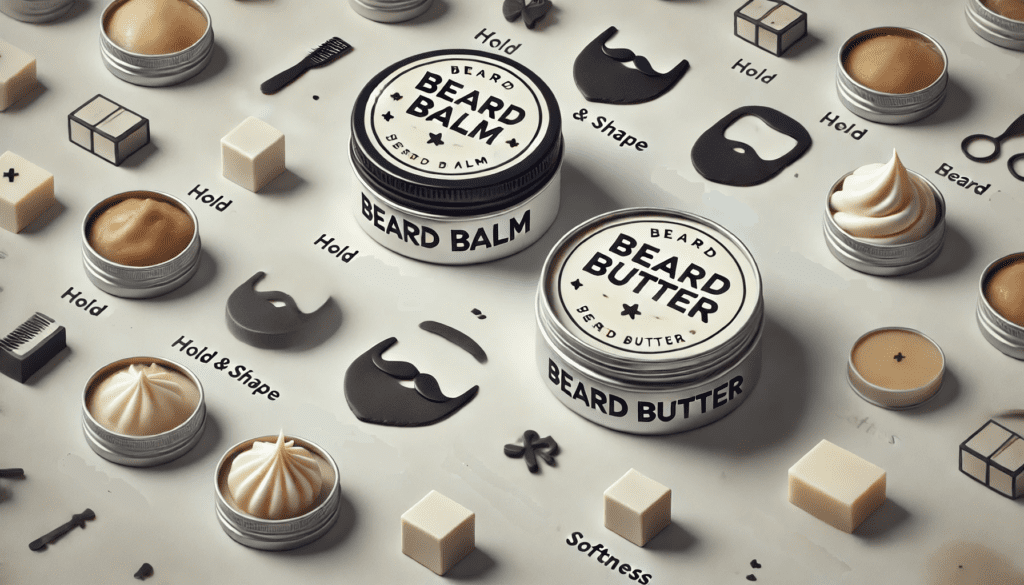
The products that work best for Asian beard care include lightweight beard oils, mild beard washes, and fine-tooth combs. Avoid heavy balms and waxes that weigh down straight hair and make it look greasy. Jojoba and argan oils absorb well without leaving residue. A boar bristle brush helps distribute oils evenly through shorter beards. For styling control, try Beard Balm vs Beard Butter.
Is an Asian beard transplant permanent?
An Asian beard transplant is permanent because the procedure moves living hair follicles from the scalp to the face. These follicles continue producing hair for life once they establish themselves in their new location. The transplanted hair may initially grow faster than natural beard hair but eventually adapts to normal facial hair growth patterns.
Final Thoughts: Asian Beard Styles for Men
Growing an Asian beard means understanding what your genetics give you and finding styles that work with your natural pattern. Not every man can grow a full beard, but almost everyone can find a facial hair style that looks good on them. The key is patience and realistic expectations.
I spent too many years comparing my beard to men with completely different genetics. Once I accepted my growth pattern and chose styles that suited it, I started getting compliments instead of frustration. For maintaining softness and style, using the best beard comb made a huge difference.