The soul patch holds a unique place in facial hair history. This small tuft of hair beneath the lower lip has gone from jazz clubs to mainstream fashion and back again over the past seventy years. I first grew one in college after seeing old photos of beatnik musicians, and the simplicity of maintaining just that one small patch appealed to me.
A soul patch beard can stand alone or combine with other facial hair styles to create different looks. Some men wear it as their only facial hair, while others use it as part of a goatee or full beard. This guide covers what a soul patch is, why it got that name, the best styles to try, and how to grow and trim one properly.
What Is a Soul Patch Beard?
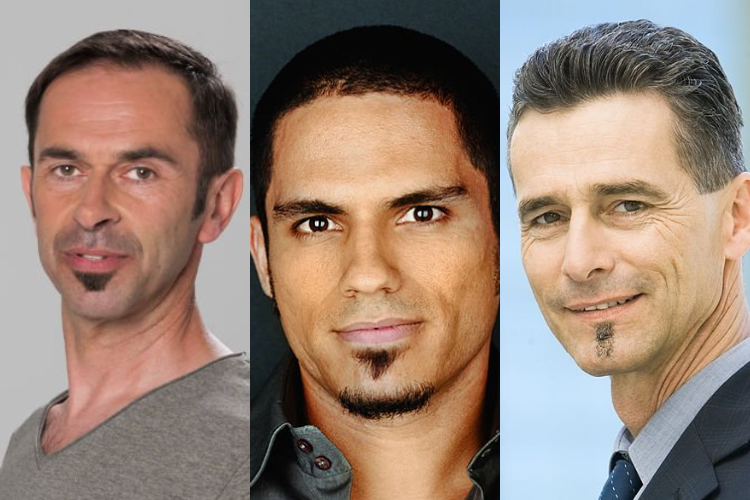
A soul patch beard is a small patch of facial hair grown directly below the lower lip and above the chin. The hair sits in the indentation between the lip and chin, covering an area roughly the size of a fingernail to a postage stamp depending on the style. The rest of the face typically stays clean-shaven when wearing a soul patch alone.
The soul patch differs from other facial hair styles because of its minimal size and specific placement. It doesn’t extend to the chin like a goatee or spread across the face like a beard. The style draws attention to the mouth and creates a focal point on the lower face without requiring much hair growth.
Some men grow soul patches because they can’t grow fuller facial hair. The area below the lower lip often has denser growth than the cheeks or jawline, making it possible to sport a soul patch even with limited overall coverage. Others choose the style for its distinctive appearance and easy maintenance.
What Does a Soul Patch Beard Mean?
The soul patch beard carries cultural associations with creativity, nonconformity, and artistic expression. Jazz musicians in the 1950s and 1960s popularized the style, and it became linked to the beatnik movement and counterculture scenes of that era.
The name itself connects to soul music and the idea of expressing one’s inner self. Musicians believed the small patch of hair helped channel their creativity and represented their artistic soul. Whether or not you believe that, the name stuck and spread beyond music circles.
Today, the soul patch doesn’t carry as strong a meaning as it once did. Some people still associate it with artistic types or see it as slightly retro. Others view it simply as a facial hair choice without any deeper significance. The style has moved in and out of fashion several times since its peak in the late 1990s and early 2000s.
Why Is It Called a Soul Patch Beard?
The soul patch got its name from African American jazz musicians in the 1950s. These artists wore the small tuft of hair as a symbol of their connection to soul music and their artistic identity. The patch represented the soul they put into their performances.
Dizzy Gillespie, the legendary jazz trumpeter, famously wore a soul patch throughout his career. Other musicians followed his lead, and the style spread through jazz clubs and eventually into broader culture. The beatnik poets and artists of the same era adopted the look as part of their rejection of mainstream aesthetics.
Before the term soul patch became common, the style had other names. Some called it a mouche, which is French for fly, because of its small size. Others called it a jazz dot or flavor saver. The soul patch name gained dominance in the 1990s when the style experienced a revival.
I learned about the jazz connection after I’d already been wearing a soul patch for months. Understanding the history made me appreciate the style more, even though I originally chose it just because it looked good on my face.
9 Soul Patch Beard Styles
The soul patch works alone or combined with other facial hair. Here are nine styles that incorporate this distinctive patch of hair.
1. Classic Soul Patch
The classic soul patch is a small, neat rectangle or oval of hair centered below the lower lip. The patch stays narrow, usually about half an inch wide, and extends from just below the lip to the top of the chin crease. The rest of the face remains clean-shaven.
This style requires minimal maintenance. Trim the patch every week or two to keep it neat, and shave the surrounding face every few days. The classic soul patch suits men who want a subtle accent rather than a bold statement.
2. Long Soul Patch Beard
A soul patch long beard extends the hair beyond the typical length, letting it grow down toward or past the chin. The patch remains narrow but gains vertical length that creates a more noticeable look. Some men grow long soul patches that reach an inch or more.
Growing a long soul patch takes patience. The hair in this area grows slowly, so reaching significant length requires months of growth. Use beard oil to keep the longer hair soft and prevent it from looking scraggly.
3. Soul Patch With Mustache
Combining a soul patch with a mustache creates a classic look that frames the mouth from above and below. The two elements stay separate, with clean-shaven skin between them. The mustache can range from thin to full depending on your preference and growth ability.
This combination appears frequently in vintage photographs and has a timeless quality. The style works particularly well on men with strong upper lip growth who want more facial hair without committing to a beard.
4. Goatee Soul Patch Beard
The goatee soul patch connects the soul patch to a chin beard, creating a vertical strip of hair from below the lip to the bottom of the chin. This style covers more area than a soul patch alone but keeps the cheeks and jawline clean.
Adding a goatee to the soul patch gives more definition to the chin and creates a stronger visual anchor on the face. The connected hair can be kept thin for a sleek look or grown wider for more coverage. This remains one of the most popular ways to wear a soul patch.
5. Full Goatee With Soul Patch
A full goatee with soul patch includes the mustache, soul patch, and chin beard all connected into one shape. The soul patch serves as the bridge between the mustache above and the chin beard below. This creates a complete frame around the mouth.
The full goatee with soul patch offers more coverage than simpler variations while still avoiding the maintenance of a full beard. Keep all three elements trimmed to the same length for a cohesive look, or let the chin beard grow longer for more variety.
6. Wide Soul Patch
A wide soul patch expands the hair horizontally to cover more of the area below the lower lip. Instead of a narrow strip, the patch spreads to an inch or more in width. This variation creates a bolder look while maintaining the essential soul patch placement.
The wide soul patch works well on men with broader faces who find the classic narrow version looks too small. The added width balances better with larger features and creates more visual impact.
7. Soul Patch With Stubble
Wearing a soul patch with light stubble across the rest of the face softens the contrast between the patch and clean skin. The stubble stays at one to two millimeters while the soul patch grows slightly longer. This creates a more casual, relaxed appearance.
I wore this combination for a summer and found it easier to maintain than keeping my face perfectly smooth. The stubble hid any imperfections in my shaving while the soul patch still stood out as the focal point.
8. Soul Patch With Full Beard
Some men incorporate a soul patch into a full beard by keeping that specific area longer or more defined than the surrounding hair. The soul patch becomes an accent within the larger beard rather than a standalone feature.
This style requires careful trimming to maintain the distinction between the soul patch and the rest of the beard. Use scissors to keep the patch slightly longer or shape it differently from the surrounding hair. The effect is subtle but adds character to a standard beard.
9. Triangular Soul Patch
A triangular soul patch shapes the hair into a point that aims downward toward the chin. The top edge sits just below the lip, and the sides angle inward to create a triangle or arrowhead shape. This geometric variation adds visual interest to the basic soul patch.
Shaping a triangular soul patch requires steady hands and a good mirror. Use a trimmer without a guard to carve the angled edges. The pointed shape draws the eye downward and can help elongate a round face.
How to Grow a Soul Patch Beard
Growing a soul patch is straightforward because the area involved is small. Here’s how to develop your soul patch from scratch.
Stop shaving the area directly below your lower lip. Let the hair grow for two to three weeks without trimming. This gives you enough length to see your natural growth pattern and decide on the final shape.
Continue shaving the rest of your face normally during this period. The contrast between the growing patch and clean skin helps you visualize the final look. Keeping the surrounding areas smooth also makes it easier to shape the soul patch later.
After two to three weeks, define the edges of your soul patch. Decide how wide and how long you want it, then carefully shave away any hair outside those boundaries. Use a trimmer without a guard or a razor for clean edges.
For a longer soul patch, continue growing without trimming the length. Only maintain the edges and surrounding skin. Reaching significant length takes three to six months depending on your growth rate.
How to Trim a Soul Patch Beard
Trimming a soul patch requires attention to detail because mistakes are visible on such a small area.
Start by combing the soul patch hair downward so all the strands lie flat. This reveals the true length and shape. Trimming without combing first can leave uneven patches where some hairs weren’t lying in their natural position.
Use small scissors or a precision trimmer for the best control. Standard beard trimmers can remove too much hair at once on such a small area. Cut a little at a time and check your progress frequently.
Trim the length first, then clean up the edges. Decide how long you want the soul patch, then use scissors to bring all the hairs to that length. After setting the length, use a trimmer or razor to sharpen the borders.
Define the edges by shaving a clear line around the soul patch. The top edge should sit just below your lower lip. The bottom edge can be straight, rounded, or pointed depending on your chosen style. The side edges should be parallel for a rectangular shape or angled for a triangular look.
Maintain the soul patch every one to two weeks for length and every few days for the edges. The surrounding skin needs regular shaving to keep the patch looking intentional rather than like a missed spot.
Should I Trim My Soul Patch When Growing a Beard?
Whether to trim your soul patch while growing a beard depends on the final look you want.
If you want a uniform beard where all the hair blends together, trim the soul patch to match the rest of your facial hair as it grows. This creates an even appearance without any area standing out from the others.
If you want the soul patch to remain a distinct feature within your beard, let it grow longer than the surrounding hair. This creates an accent that shows even when the rest of your beard fills in. The soul patch becomes a design element rather than just another part of the beard.
Some men shave the soul patch area completely when growing a beard, creating a gap in the facial hair. This no soul patch beard style has a cleaner look around the mouth and works well for men who don’t like hair too close to their lower lip.
I kept my soul patch longer than the rest of my beard for a few months. The contrast looked interesting, but eventually I trimmed everything to the same length for easier maintenance. Try both approaches to see what suits you.
No Soul Patch Beard: When to Skip It
Not every beard needs a soul patch. Some styles look better without that patch of hair below the lip.
A no soul patch beard shaves the area between the lower lip and chin clean while growing facial hair everywhere else. The gap creates a different visual effect and keeps hair further from the mouth. Some men prefer this for practical reasons like eating and drinking.
Certain beard styles traditionally exclude the soul patch area. The Balbo beard, for example, keeps the mustache separate from the chin beard with a shaved gap. The anchor beard similarly leaves that area clean. These styles have defined shapes that don’t include a soul patch.
Men with sparse growth in the soul patch area might skip it rather than have a thin, wispy patch that doesn’t match the rest of their beard. If your soul patch grows thinner than your chin or cheeks, shaving it creates a cleaner overall look.
Personal preference ultimately decides whether to include or exclude the soul patch. Some men find hair in that spot uncomfortable or annoying. Others love the look. There’s no rule saying a beard must include every possible area of facial hair.
FAQs
What is a soul patch beard?
A soul patch beard is a small patch of facial hair grown directly below the lower lip and above the chin. The patch typically covers an area the size of a fingernail to a postage stamp. It can be worn alone with the rest of the face clean-shaven or combined with other facial hair styles like mustaches and goatees.
Why is it called a soul patch?
The soul patch got its name from African American jazz musicians in the 1950s who wore it as a symbol of their artistic soul and connection to soul music. Artists like Dizzy Gillespie popularized the style. The name spread through beatnik culture and became the standard term by the 1990s.
How long does it take to grow a soul patch?
A basic soul patch takes two to three weeks to grow to a visible length. The hair in this area grows about half an inch per month. Reaching a longer soul patch that extends toward the chin takes three to six months. Growth rates vary between individuals based on genetics and age.
Should I trim my soul patch when growing a beard?
Whether to trim your soul patch when growing a beard depends on your desired look. Trim it to match the rest of your beard for a uniform appearance. Let it grow longer for an accent within the beard. Some men shave the area completely to create a cleaner look around the mouth.
What face shape suits a soul patch?
A soul patch suits most face shapes because of its small size. Round faces benefit from a pointed or triangular soul patch that adds vertical length. Square and oval faces look good with the classic rectangular shape. The style is subtle enough that it rarely creates unflattering proportions on any face type.
Can I grow a soul patch with a patchy beard?
You can grow a soul patch even with a patchy beard because the area below the lower lip often has denser growth than other facial areas. Many men who can’t grow full beards can still produce a decent soul patch. The style works well for sparse growers who want some facial hair without emphasizing their limitations.
How do I maintain a soul patch?
Maintain a soul patch by trimming the length every one to two weeks and shaving the edges every few days. Use small scissors or a precision trimmer for the patch itself. Keep the surrounding skin clean-shaven to maintain contrast. Comb the hair downward before trimming to ensure even length.
Is the soul patch still in style?
The soul patch moves in and out of fashion like most facial hair styles. It peaked in popularity during the late 1990s and early 2000s, then fell out of favor before experiencing occasional revivals. Whether it’s currently in style matters less than whether it suits your face and personal aesthetic.
What’s the difference between a soul patch and a goatee?
The difference between a soul patch and a goatee is coverage area. A soul patch covers only the small area directly below the lower lip. A goatee includes hair on the chin and often connects to the soul patch area. A goatee is larger and more prominent, while a soul patch is minimal and accent-like.
Can I combine a soul patch with other facial hair styles?
You can combine a soul patch with many other facial hair styles. Common combinations include soul patch with mustache, soul patch with goatee, and soul patch within a full beard. The patch can serve as a connector between other elements or stand as a distinct accent within larger facial hair designs.
Final Thoughts on Soul Patch Beard
The soul patch offers a simple way to add character to your face without growing a full beard. Its history in jazz and counterculture gives it depth beyond just being a patch of hair. Whether you wear it alone or combine it with other facial hair, the soul patch makes a statement with minimal effort.
I’ve worn soul patches on and off for years and always come back to the style when I want something low-maintenance but distinctive. The key is keeping it neat and intentional. A well-maintained soul patch looks deliberate, while a scraggly one just looks like you missed a spot shaving. Define your edges, find the shape that suits your face, and wear it with confidence.