
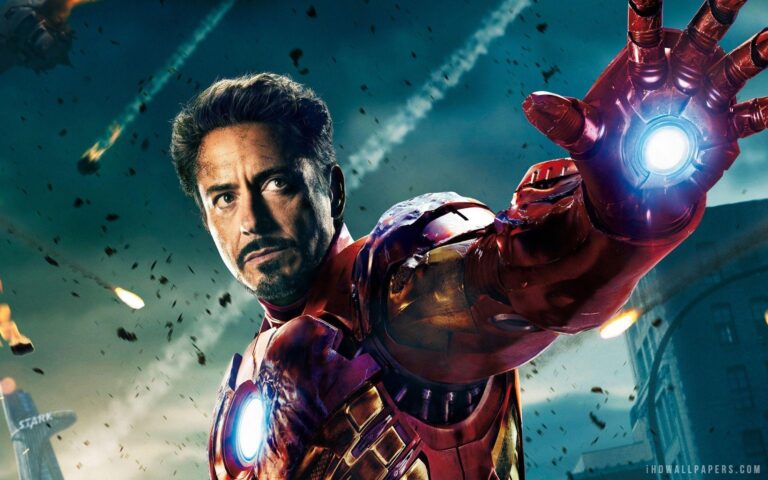
Few fictional characters have influenced men’s grooming as much as Tony Stark. Robert Downey Jr. wore a sharp, distinctive facial hair style throughout the Iron Man and Avengers films that sparked countless imitations. I remember watching the first Iron Man movie and immediately wondering how to recreate that precise, angular look on my own face.
The Tony Stark beard became one of the most requested looks at barbershops worldwide after 2008. Its clean lines and careful balance between the moustache and chin beard gave men a template for looking sharp without growing a full beard.
Of all the beard styles for men, few are as recognizable. This guide breaks down exactly what the style is called, how to get it yourself, the 7 best variations, and how it changed across the Marvel films.
What Is the Tony Stark Beard Called?
The Tony Stark beard is called an anchor beard, also known as a Balbo beard. Some barbers call it a Tony Stark goatee or simply the Iron Man beard.
The anchor name comes from the shape, which resembles a ship’s anchor when viewed from the front. The Balbo name references Italian aviator Italo Balbo, who wore a similar style in the 1930s, a look you will also recognize in our guide to Italian beard styles.
Tony Stark’s version differs slightly from a traditional Balbo beard, because it keeps the moustache connected to the chin beard through thin vertical strips at the corners of the mouth. A classic Balbo separates the moustache completely.
When you ask a barber for this look, saying “Tony Stark beard” or “anchor beard” will get you the closest result. For the structural difference, our breakdown of anchor beard styles explains it clearly.
I walked into a barbershop years ago and asked for an anchor beard. The barber knew exactly what I meant and shaped it perfectly on the first try. Using the proper name saves time and confusion.
What Is the Tony Stark Beard Style?
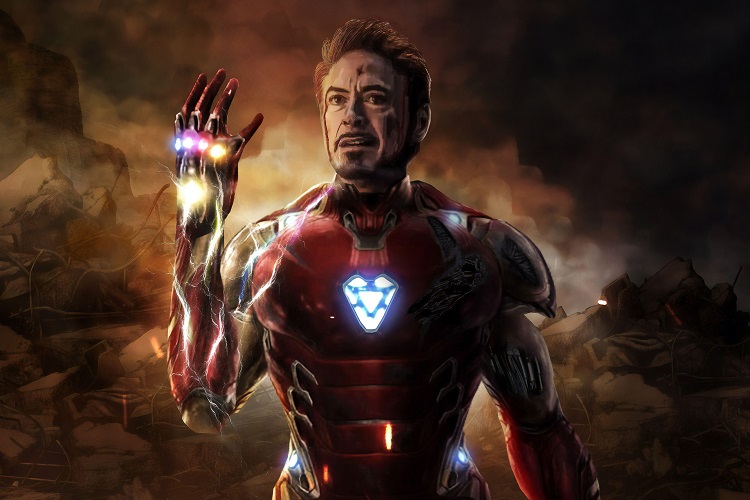
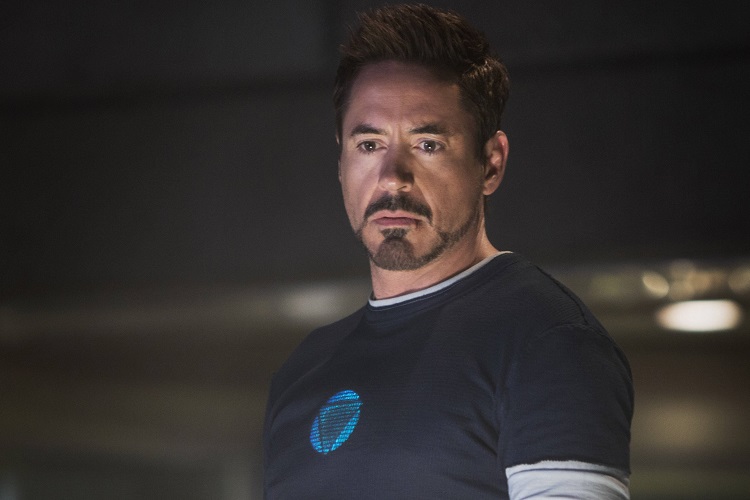
The Tony Stark beard style is a carefully shaped combination of a goatee and moustache with clean-shaven cheeks. The moustache connects to a pointed chin beard through thin vertical strips that run down from the corners of the mouth. The chin beard comes to a slight point or stays squared off depending on the film, while the entire shape stays close to the face with minimal length.
What makes this style stand out is the precision. Every edge is defined and every line is intentional. The beard frames the mouth and chin without covering them, creating a sharp, angular appearance that suits the character’s confident personality.
Robert Downey Jr. kept this look through more than a decade of Marvel films, making small adjustments that reflected Tony Stark’s changing circumstances. It remains one of the most recognizable popular beard styles today.
7 Tony Stark Beard Styles to Try
The Tony Stark beard has inspired several variations you can adapt to your own face shape and preference. Here are seven looks based on the iconic style.
1. Classic Tony Stark Anchor
The classic anchor matches the original Iron Man appearance. A full moustache connects to a squared chin beard through thin vertical strips on either side of the mouth.
The length stays between three and five millimetres across the whole shape. Cheeks are completely clean-shaven, and the soul patch under the lower lip is removed.
Best for: Oval and square faces. The sharp lines add definition without overwhelming softer features.
2. Extended Tony Stark Anchor
The extended anchor widens the chin beard to cover more of the jaw. The moustache and connecting strips stay the same as the classic, but the chin portion spreads outward toward the jawline, creating a stronger visual anchor at the bottom of the face. I tried this when I wanted more coverage without committing to a full beard, and the wider chin beard balanced my narrower jaw.
Best for: Narrow jaws and men who want more coverage.
3. Pointed Tony Stark Beard
The pointed version brings the chin beard to a distinct point rather than squaring it off. This elongates the face and adds an edgier appearance.
The moustache stays full and the connecting strips stay thin. The shaping logic is close to the Van Dyke beard.
Best for: Round faces (the point adds length). Men with already long faces should avoid it.
4. Thick Connector Tony Stark
The thick connector style widens the vertical strips that link the moustache to the chin beard. Instead of pencil-thin lines, these connectors spread to about half an inch wide, giving a more filled-in look that suits denser growth.
This version appeared in Tony Stark’s later films, particularly Infinity War and Endgame. You can see similar density in full beard styles.
Best for: Men with thick, even facial hair growth.
5. Tony Stark Stubble Anchor
The stubble anchor keeps the overall Tony Stark shape but trims everything down to heavy stubble, around one to two millimetres. The lines stay defined, but the shorter length feels more casual and far lower maintenance. It is a strong pick for warmer months or busy schedules, and it sits comfortably among other stubble beard styles.
Best for: Low-maintenance wearers and patchy growth.
6. Tony Stark With Soul Patch
Adding a soul patch creates a continuous strip of hair from the lower lip down to the chin beard. The classic version shaves this clean, but leaving a small, narrow, centred patch fills the gap for men who feel the standard look is too sparse in the middle. For variations, see our guide to soul patch beard styles.
Best for: Men who want extra fullness in the centre of the chin.
7. Endgame Tony Stark Full Beard
The Endgame look loosens the strict lines of the classic anchor and allows more coverage. The chin beard extends further along the jaw, the moustache grows fuller, and light stubble covers the cheeks.
Tony Stark wore this during the five-year time jump, showing a man who had stepped away from his polished billionaire image. It echoes the maturity of fuller long beard styles.
Best for: Men who want the anchor spirit with a rugged, relaxed finish.
How the Tony Stark Beard Changed Across Films
Tony Stark’s beard evolved throughout his appearances in the Marvel Cinematic Universe. Each film brought subtle changes that reflected his character development.
Iron Man (2008)
The original film introduced the signature style that would define the look: sharp and precise, with thin lines connecting the moustache to a squared-off chin patch, kept short at around three to five millimetres. It showed a man who paid attention to detail. Robert Downey Jr. reportedly worked with the makeup team to develop this exact shape, drawing on the comic character and adapting it for a real face.
Iron Man 2 (2010)
The beard stayed consistent but looked slightly fuller. The character was dealing with personal struggles, and the marginally less precise grooming reflected that. The edges stayed clean while overall coverage looked denser, a transition similar to fuller short beard styles.
The Avengers (2012)
Tony Stark’s beard kept the classic shape from the Iron Man films, with crisp lines and controlled length. This version became the most imitated because the film reached a wider audience. After release, searches for the Tony Stark and Iron Man beard spiked, and barbershops reported a clear jump in requests.
Spider-Man: Homecoming (2017)
This showed a more mature version of the character. The style stayed an anchor beard but with slightly softer edges and a bit more chin length, matching a mentor figure rather than the flashy billionaire. The moustache connected more fully to the chin beard, creating a continuous frame rather than thin strips.
Avengers: Endgame (2019)
This was the most dramatic change. During the five-year time jump, Tony grew a fuller, longer beard covering more of his face, a rugged look for a man who had settled into a quieter life. By the final act it returned closer to the classic shape but kept more length than the early films, reflecting his complete character journey.
How to Get the Tony Stark Beard
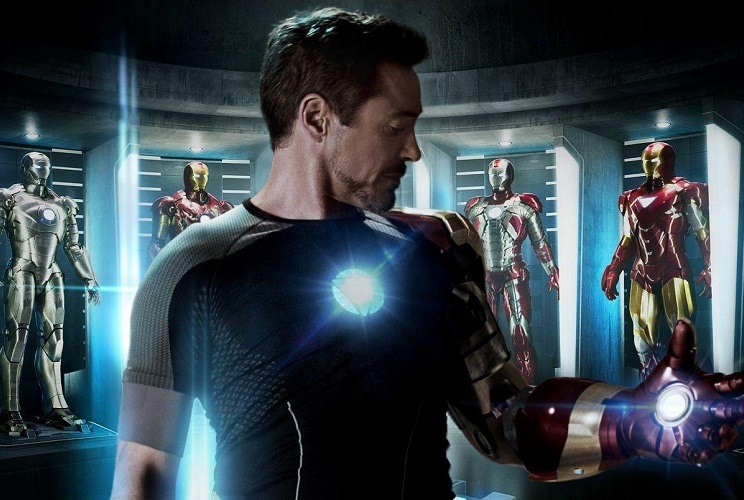
Creating this look takes patience, the right tools, and careful attention to symmetry. Here is the process step by step.
- Grow it out first. Grow your facial hair for two to three weeks without shaping. You need enough length to see your natural growth pattern and have material to work with.
- Clean-shave the cheeks. Once you have growth, shave your cheeks completely clean with a razor for the smoothest result. The contrast between clean cheeks and shaped beard is essential, much like the precision in how to fade a beard.
- Shape the chin beard. Create a shape that covers your chin and extends slightly past the corners of your mouth. Square it off or bring it to a slight point depending on your face. Use a trimmer without a guard to carve the edges.
- Create the connectors. Leave thin vertical lines of hair from your moustache down to the chin beard, about the width of a pencil, along the natural crease where your lips meet. Shave the soul patch clean for the traditional look.
- Trim the moustache. Follow your upper lip without covering it, keeping the length even. The ends should blend into the connecting strips with no gap.
- Set the length. Keep the overall length between three and six millimetres with a guarded trimmer. The Tony Stark beard stays close to the face and never gets bushy. Trim every two to three days to hold the shape.
A precision trimmer makes or breaks this style. See our tested picks for the best beard trimmers for men to get the clean lines this look depends on.
Tony Stark Beard Template and Shaping Zones
Following a template helps you keep the shape symmetrical. The style breaks into four zones that each need individual attention.
- Zone one, the moustache. Spans the width of your mouth and sits just above the upper lip, around half an inch thick from end to end. The bottom edge follows your lip line and stays clean.
- Zone two, the connecting strips. Thin lines that drop straight down from the outer edges of the moustache to meet the chin beard. Keep them narrow and parallel to hold the signature shape.
- Zone three, the chin beard. Fills the chin between the connecting strips. The bottom edge can be straight, rounded, or pointed, and the width should match the width of your mouth for proportion.
- Zone four, the clean-shaven areas. The cheeks, the area under the lower lip, and anything outside the defined shape. These stay clean-shaven to keep the look sharp.
- Symmetry tip. I used painter’s tape the first time I shaped this to mark my lines before cutting. It looked silly, but the result was perfectly symmetrical.
Which Face Shape Suits the Tony Stark Beard?
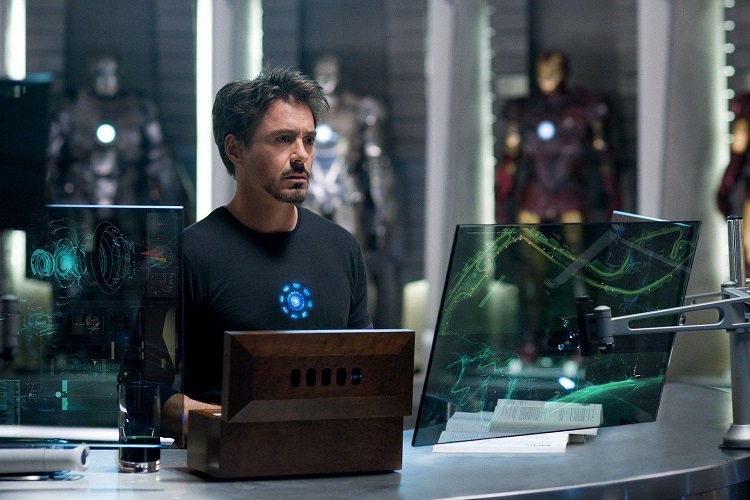
- Oval faces: The best fit. Robert Downey Jr. has an oval face, which is why it suits him so well. The anchor adds definition without changing natural proportions.
- Square faces: The pointed or rounded chin beard softens strong angles, and the vertical strips draw attention to the centre of the face rather than the width of the jaw.
- Round faces: Works with a more pointed chin beard to elongate the face. Keep the connecting strips thin so you do not add width.
- Long or rectangular faces: Be careful, the vertical emphasis can make a long face look longer. A wider chin beard with a straight bottom edge counteracts this.
FAQs
What is the official name of Tony Stark’s beard?
The name of Tony Stark’s beard is an anchor beard or Balbo beard. The anchor name describes the shape, which resembles a ship’s anchor. The Balbo name references Italian aviator Italo Balbo. Barbers recognize both terms and understand they refer to the same general style.
How long does it take to grow a Tony Stark beard?
A Tony Stark beard takes two to four weeks to grow before you can shape it properly. The style needs enough length to define clean edges but stays short overall. Once shaped, maintaining it requires trimming every two to three days and touch-ups on the cheeks and neckline.
What is the difference between a Tony Stark beard and a goatee?
The difference is the moustache connection. A traditional goatee includes only the chin beard, without a moustache. The Tony Stark beard connects the moustache to the chin beard through thin vertical strips, creating the anchor shape. The moustache is essential to the Tony Stark look.
Did Tony Stark have the same beard in the comics?
Tony Stark had a similar beard in the comics, though the exact style varied by artist and era. Early appearances from the 1960s showed a thin moustache. Later artists gave him a fuller goatee or anchor beard similar to the film version. Robert Downey Jr.’s portrayal influenced how artists drew the character in newer comics.
What tools do you need for a Tony Stark beard?
You need a quality trimmer with multiple guard lengths, a razor for clean-shaving the cheeks, a fine-tooth comb, and a magnifying mirror. The trimmer handles the overall length, the razor creates the sharp edges, and the mirror helps you keep both sides symmetrical.
Can you grow a Tony Stark beard with patchy facial hair?
Yes, if your chin and moustache areas have decent coverage. The style removes the cheeks entirely, so patchiness there does not matter. If your chin or moustache grows unevenly, the sharp lines will make thin spots more visible, so a stubble version can help blend them.
How often should you trim a Tony Stark beard?
Trim every two to three days to maintain the shape, and shave the cheeks at the same frequency to keep the contrast between beard and clean skin. The precise lines blur quickly as hair grows, so regular maintenance is necessary.
Why did Tony Stark’s beard change in Endgame?
It changed to reflect the character’s altered lifestyle during the five-year time jump. The fuller, less precise beard showed that Tony had stepped away from his former identity and embraced a quieter family life. The grooming change told that story visually, without dialogue.
Does Robert Downey Jr. wear the Tony Stark beard in real life?
Robert Downey Jr. wears variations of the style in real life, though not always the exact film version. He often sports a goatee or anchor beard at public appearances but adjusts it based on his current projects and personal preference.
What products help maintain a Tony Stark beard?
A light beard oil for softness, shaving gel for the cheeks, and aftershave to prevent irritation. The short length does not need heavy balms or waxes. A small amount of beard oil keeps the hair healthy without adding shine or weight that would change the appearance.
Tony Stark Beard: Final Take on This Iconic Style
I have worn variations of this style for years and always appreciate how it cleans up my appearance with minimal effort. Whether you call it an anchor beard, a Balbo, or simply the Iron Man look, the Tony Stark beard offers a template that has stood the test of time.
Get your lines right, keep up with the maintenance, and you will have a style that works in the boardroom and beyond. A daily beard oil keeps the shape looking healthy between trims.

I’m a regular guy who got way too into beard care and started writing it all down. Everything here comes from my own experience with my own beard, not from a brand brief.