
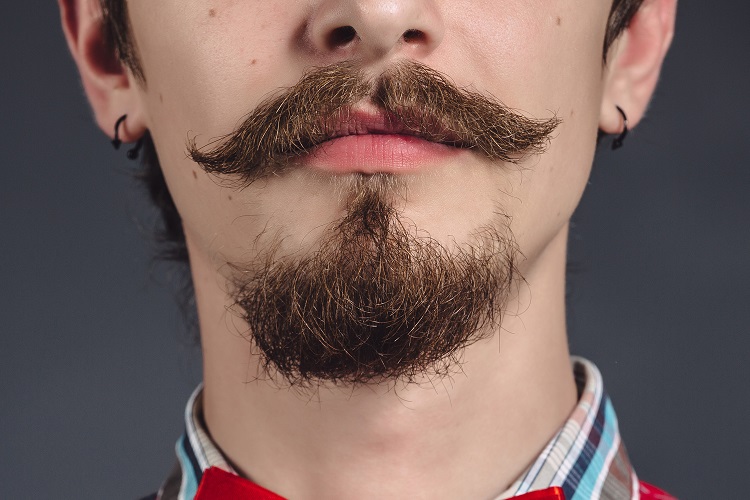
The French beard has remained popular for decades because it strikes the perfect balance between clean-shaven and full beard. I grew my first French beard in my mid-twenties when I wanted facial hair that looked intentional without requiring extensive maintenance. The style gave me definition around my jawline while keeping my cheeks smooth and professional.
This classic style suits almost any face shape and works in both casual and professional settings. If you’re exploring the best beard styles for men, the French beard deserves serious consideration. The French beard combines a goatee with a mustache connected through the corners of the mouth, creating a frame around the lips and chin. This guide covers what makes a French beard distinct, how to achieve different variations, and step-by-step instructions for trimming and shaping at home.
What Is a French Beard?
A French beard is a facial hair style that combines a mustache with a goatee, connected by hair running along the corners of the mouth. The cheeks and jaw remain clean-shaven, putting all the focus on the area surrounding the mouth and chin. The style creates a frame that draws attention to the center of the face.
The French beard differs from a standard goatee because it includes a full mustache that connects to the chin hair. A pure goatee covers only the chin without the mustache. The French beard also differs from a Van Dyke, which keeps the mustache and goatee separate with a shaved gap between them.
This style gets its name from its popularity in France during the 19th and early 20th centuries. French artists, intellectuals, and aristocrats favored the look, which spread throughout Europe and eventually worldwide. The association with French sophistication contributed to the style’s enduring appeal.
The French cut beard has several defining characteristics: a full mustache that may extend slightly past the lip line, connected strips running down from the mustache to the chin, a pointed or rounded chin beard, and completely clean cheeks. The overall shape resembles an anchor or inverted triangle depending on how you style the chin portion.
French Beard vs Goatee: Key Differences
The French beard and goatee are often confused because both focus on the chin area with clean cheeks. However, several key differences set them apart.
A traditional goatee consists only of hair on the chin, without a mustache. The term originally described a small tuft of hair on the chin that resembled a goat’s beard. Modern usage has expanded to include styles with mustaches, but the classic goatee stands alone on the chin.
The French beard always includes a mustache that connects to the chin beard through the corners of the mouth. This connection creates an enclosed shape around the mouth. Without the mustache and connecting strips, you have a goatee rather than a French beard.
Coverage area differs between the styles. A goatee covers only the chin, while a French beard covers the chin, upper lip, and the strips connecting them. The French beard involves more facial hair and requires attention to more areas during grooming.
Visual impact also distinguishes the two. A goatee creates a focal point on the chin, while a French beard frames the entire mouth. The French beard provides more structure and definition to the lower face than a standalone goatee.
I wore a goatee for years before adding the mustache connection to create a French beard. The fuller style suited my face better and looked more intentional than the chin hair alone.
9 French Beard Styles
The French beard adapts to different preferences and face shapes through various styling approaches. Here are nine popular variations to consider.
1. Classic French Beard
The classic French beard features a full mustache connected to a pointed chin beard through thin strips along the mouth corners. The chin portion extends about half an inch to an inch below the chin, coming to a slight point. The overall shape is neat and symmetrical with clearly defined edges.
This traditional version works in professional environments and creates a sophisticated appearance. The clean lines show attention to grooming while the connected shape frames the face attractively.
2. Short French Beard
A short French beard keeps all the hair trimmed close to the face, typically three to six millimeters in length. The shape matches the classic style but with reduced bulk. This version looks clean and modern while maintaining the distinctive French beard silhouette.
The short French beard requires more frequent trimming to maintain the close-cut appearance. Use a trimmer with a guard every few days to keep the length consistent.
3. Full French Beard
The full French beard extends the coverage to include more of the chin and a thicker mustache. The connecting strips widen from pencil-thin to half an inch or more. This version creates a bolder look with more visual presence than the delicate classic style.
Men with denser facial hair growth often prefer the full French beard because it uses more of their natural coverage. The added width balances well with larger facial features.
4. Modern French Beard
Modern French beard styles update the classic look with contemporary touches. Sharp, carved edges replace the soft lines of traditional versions. The shape may be more angular, with geometric precision around the chin and along the connecting strips.
This updated version often pairs with fade haircuts and other modern grooming choices. The combination creates a current, stylish appearance that references the classic while feeling fresh.
5. French Beard With Fade
A French beard with fade integrates the facial hair with a faded haircut for a cohesive look. Although the French beard itself doesn’t touch the sideburns, a skin fade or low fade on the head creates visual flow that complements the clean-cheek style.
This combination works particularly well because both elements emphasize clean lines and sharp contrasts. The fade’s gradient pairs naturally with the defined edges of the French beard.
6. Goatee French Beard
The goatee French beard emphasizes the chin portion while keeping the mustache and connectors thinner. The chin beard may extend further down or be shaped wider, making it the focal point. This variation suits men who grow fuller hair on their chin than their upper lip.
By letting the chin dominate, this style accommodates patchier mustache growth while still maintaining the connected French beard shape.
7. French Beard Without Mustache
A French beard without mustache removes the upper lip hair while keeping the chin beard and sometimes light connectors at the mouth corners. Technically this moves toward beard without mustache territory, but the wider chin coverage and occasional thin connectors distinguish it from a pure goatee.
Men who can’t grow a full mustache or prefer not to may choose this variation. The style maintains chin definition without requiring upper lip coverage.
8. Light French Beard
The light French beard keeps all elements at stubble to very short length, around one to three millimeters. The shape remains defined but the coverage is minimal. This version works for men who want the French beard outline without the visual weight of fuller growth.
Light French beards require the most frequent maintenance because the short length shows any unevenness immediately. Trim every two to three days to maintain the look.
9. Half French Beard
A half French beard takes an asymmetrical approach, with fuller coverage on one side than the other. This unconventional variation creates visual interest through imbalance. The effect is artistic and edgy rather than classically refined.
The half French beard suits creative fields and casual environments where unusual grooming choices are appreciated. The asymmetry makes a statement about individuality.
French Beard Styles for Round Face
Round faces benefit significantly from French beards because the style adds vertical length and angular definition. The pointed chin beard draws the eye downward, creating the illusion of a longer face.
Keep the chin portion of your French beard longer and more pointed if you have a round face. The added length at the bottom extends the face visually. Avoid rounded chin shapes that would mirror and emphasize your face’s natural curves.
Thin connecting strips work better than wide ones on round faces. Wide connectors add horizontal emphasis that can make round faces appear wider. Narrow connectors maintain vertical flow.
A full mustache balances well with round faces when paired with an elongated chin beard. The mustache adds width at the top of the French beard while the pointed chin adds length below.
I recommended the French beard to a friend with a round face, and the transformation was remarkable. The pointed chin beard changed his face shape perception entirely.
How to Grow a French Beard
Growing a French beard starts with letting the right areas develop while keeping others clean. Here’s how to approach the growth phase.
- Step 1: Let your entire face grow for one to two weeks without shaving. This initial period shows your natural growth pattern and gives you enough hair to shape. Resist trimming until you have sufficient length to work with.
- Step 2: After two weeks, begin defining the French beard shape by shaving your cheeks clean. Keep the mustache, the hair around your mouth corners, and your chin fully grown while removing everything else.
- Step 3: Continue growing the remaining areas for another two to four weeks. The chin beard needs enough length to shape, and the mustache should be full enough to form a proper connection. Patience during this phase prevents premature shaping that limits your options.
- Step 4: Once you have about half an inch of growth in the French beard areas, begin shaping. Define the chin point, trim the connectors to your desired width, and shape the mustache. The following sections explain the trimming process in detail.
How to Trim a French Beard
Trimming a French beard maintains the shape and keeps the style looking intentional. Follow these steps for at-home maintenance.
- Step 1: Start with clean, dry facial hair. Wet hair hangs longer than dry hair, and trimming wet can result in a shorter cut than intended. Comb the beard to remove tangles and see the true shape.
- Step 2: Use a trimmer with a guard to even out the overall length. Set the guard to your desired length and run it over the chin beard, mustache, and connectors. This creates a uniform base before detail work.
- Step 3: Remove the guard to define the edges. Carefully outline the chin beard shape, creating either a point or a rounded bottom depending on your preference. Move slowly and check your progress frequently.
- Step 4: Trim the connecting strips to your desired width. These can range from pencil-thin to half an inch wide. Use the trimmer edge or a detail trimmer to carve clean lines along both sides of each connector.
- Step 5: Shape the mustache last. Trim any hairs that hang over your lip line unless you prefer them longer. Define the outer edges of the mustache where they meet the connectors.
- Step 6: Finish by shaving the cheeks and neck clean. The contrast between the French beard and smooth skin defines the style. Any stubble on the cheeks diminishes the effect.
How to Shape a French Beard
Shaping determines how your French beard frames your face. The right shape flatters your features and creates the look you want.
- Step 1: Decide on the chin shape first. A pointed chin beard elongates the face and creates a sharper look. A rounded bottom softens the appearance. A squared-off bottom adds width and works well on narrow faces.
- Step 2: Set the width of your chin beard relative to your mouth. The classic proportion keeps the chin beard as wide as the mouth or slightly narrower. Wider chin beards create a bolder look, while narrower ones appear more refined.
- Step 3: Choose your connector width based on your growth pattern and style preference. Thin connectors look cleaner and more precise. Wide connectors add substance and work better with fuller chin beards.
- Step 4: Shape the mustache to complement the overall design. A thick, full mustache balances a substantial chin beard. A thin, trimmed mustache pairs better with a delicate, narrow French beard.
- Step 5: Check symmetry constantly while shaping. The French beard’s clean edges make any unevenness obvious. Use a mirror that shows your full face and compare both sides frequently.
How to Maintain a French Beard
Maintaining a French beard requires attention to both the beard itself and the clean areas around it.
- Trim the beard length every one to two weeks depending on how fast your hair grows and your preferred length. Even growth helps the shape look intentional rather than neglected.
- Shave your cheeks and neck every two to three days. The French beard’s impact comes from the contrast with clean skin. Any stubble in these areas blurs the defined edges that make the style distinctive.
- Wash your French beard several times per week with beard wash or mild shampoo. The concentrated area can trap food and oils more than a full beard. Clean facial hair looks better and feels more comfortable.
- Apply beard oil daily to keep the hair soft and the skin moisturized. Even short French beards benefit from conditioning. The oil also adds slight shine that enhances the appearance.
- Visit a barber every four to six weeks for professional shaping. Even if you maintain the beard at home, periodic professional attention keeps the lines crisp and addresses any areas you might miss.
FAQs
What is a French beard?
A French beard is a facial hair style combining a mustache with a goatee, connected by hair strips at the mouth corners. The cheeks remain clean-shaven, creating a defined frame around the mouth and chin. The style originated in France during the 19th century and remains popular for its sophisticated, balanced appearance.
How is a French beard different from a goatee?
A French beard differs from a goatee because it includes a mustache connected to the chin beard. A traditional goatee consists only of chin hair without a mustache. The French beard creates an enclosed frame around the mouth, while a goatee provides a single focal point on the chin only.
How long does it take to grow a French beard?
A French beard takes four to six weeks to grow to a shapeable length. The initial growth phase of one to two weeks establishes coverage, then two to four more weeks of growth in the beard areas creates enough length to properly shape. Faster growers may be ready to shape in three weeks.
What face shape suits a French beard?
A French beard suits most face shapes but works particularly well on round and oval faces. The pointed chin beard elongates round faces, while the balanced proportions complement oval faces naturally. Square faces can soften their angles with a rounded French beard chin, and long faces should keep the chin portion shorter.
How often should I trim a French beard?
Trim a French beard every one to two weeks for the length and every two to three days for the cheeks and neck. The clean-shaven areas need frequent attention because any stubble diminishes the defined look. Short French beards may need length trimming more frequently to maintain their precise appearance.
Can I grow a French beard with patchy facial hair?
You can grow a French beard with patchy facial hair if the patchiness is on your cheeks rather than the chin and mustache areas. Since the French beard keeps cheeks clean, patchy cheek growth doesn’t matter. Patches on the chin or gaps in the connectors make the style more difficult to achieve.
Is a French beard professional?
A French beard is considered professional in most workplace settings. The neat, defined shape shows grooming attention without appearing too casual. The style has been worn in business environments for over a century. A well-maintained French beard works in corporate, creative, and client-facing roles.
What is a French fork beard?
A French fork beard is a different style where the chin beard grows long and splits into two distinct points at the bottom, resembling a fork. This is not the same as a standard French beard, which has a single chin point or rounded bottom. The French fork requires significantly longer growth to achieve the split effect.
How do I make my French beard look fuller?
Make your French beard look fuller by growing it slightly longer and widening the connectors and chin coverage. Beard oil adds shine that creates the appearance of more hair. Brushing daily trains hairs to lie in the direction that maximizes visible coverage. A fuller mustache also adds substance to the overall look.
What products work best for French beard care?
The best products for French beard care include a quality trimmer with guards for length maintenance, a detail trimmer or razor for edges, beard oil for conditioning, and beard wash for cleaning. A small brush helps distribute oil and style the beard. Shaving products for cheeks and neck maintenance complete the routine.
Why the French Beard Remains a Timeless Choice
The French beard offers a timeless style that bridges the gap between minimal facial hair and a full beard. The defined shape flatters most faces and works across casual and professional settings. The maintenance requirements fall in the middle range, more involved than stubble but less demanding than a full beard.
I’ve returned to the French beard multiple times over the years whenever I want facial hair with structure. The style adapts to different preferences through variations in length, width, and chin shape. Whether you choose a classic pointed version or a modern full French beard, the key is maintaining those clean edges that make the style distinctive. Keep your cheeks smooth, your lines sharp, and your shape symmetrical for the best results.

I’m a regular guy who got way too into beard care and started writing it all down. Everything here comes from my own experience with my own beard, not from a brand brief.