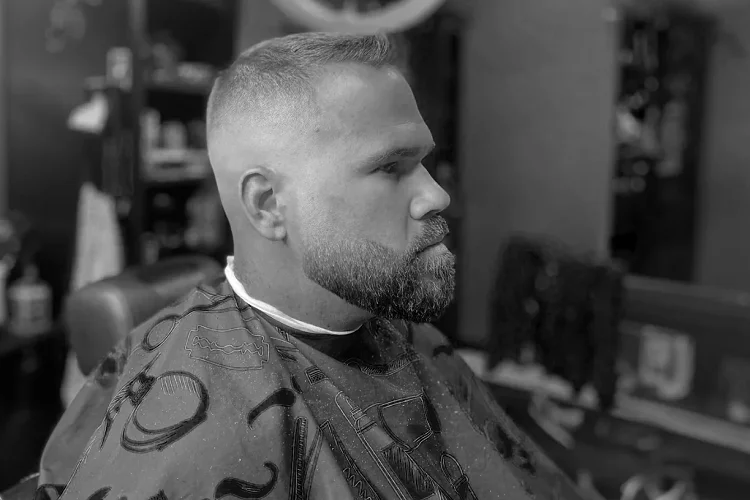
I used to ask my barber for a mid fade every time. It looked sharp for the first week, but by week two the sides already looked grown out and messy. When I switched to a low fade with beard, the difference surprised me. The cut lasted longer, grew out more evenly, and the beard blended into the sideburns without that awkward gap I always got with higher fades.
The low fade with beard is one of those combinations that works quietly. It does not scream for attention the way a skin fade or a high fade does. But the subtle transition from hair to skin to beard gives the face a clean, structured frame that holds up well between barber visits. You can pair this up with different faded beard styles.
In this post, I’m walking through the best low fade with beard styles, which face shapes they suit, and how to keep the look tight at home.
What Is a Low Fade with Beard?
A low fade with beard is a type of faded beard styles men’s haircut where the fade begins just above the ear and gradually tapers down to shorter hair or skin near the neckline. The fade sits lower on the head than a mid fade or high fade, which means more hair is kept on the sides. The beard connects to the fade at the sideburns, creating a blended transition from the haircut into the facial hair.
Because the fade starts so low, the overall look is more conservative and understated than higher fade styles. The low placement also means the cut grows out more gradually. Most men can go 3 to 4 weeks between barber visits before a low fade with beard starts to lose its shape, compared to 2 weeks for a mid or high fade.
Why Is the Low Fade with Beard So Popular?
The low fade with beard haircut has gained popularity because it balances sharpness with subtlety. It gives the sides a clean, tapered look without removing too much hair. For men who work in corporate offices or client-facing roles, the low fade reads as professional and polished without looking overly styled.
It also pairs with a wider range of beard lengths than higher fades. A stubble beard, a medium beard, or a full beard all connect well with a low fade because the transition point sits close to the natural beard line. The low fade with beard men across all age groups and hair types can wear this style, which is part of why it shows up so often on Instagram and TikTok barber pages.
What Makes a Good Low Fade with Beard?
a) The Fade Placement
The low fade starts just above the ear, roughly half an inch to one inch above the earlobe. A barber uses a #0 or #0.5 guard at the lowest point and blends upward using progressively longer guards. The key is a smooth gradient with no visible lines between guard lengths. The low placement keeps the fade discreet and easy to maintain as it grows.
b) The Beard Blend
The low fade with beard blend is what separates this cut from a standard low fade. The barber uses the clipper lever technique to feather the fade into the sideburn area. The sideburns should taper smoothly into the top of the beard with no hard line or visible gap. Because the fade sits low, the transition into the beard is shorter, which actually makes the blend easier to execute and maintain.
c) The Edge Work
Clean edges complete the look. The hairline, temples, cheek line, and neckline all need to be defined with a straight razor or detailer. A low fade with beard looks its best when every border is sharp and intentional. Sloppy edges can make an otherwise clean cut look unfinished.
Top 10 Low Fade with Beard Styles
The low fade with beard works as a foundation for many different top hairstyles and beard lengths. Each variation below changes the look while keeping the same low fade base.
1. Short Hair Low Fade with Beard
The short hair low fade with beard keeps the top at 1 to 2 inches and pairs it with a trimmed beard at 8 to 12mm. The short top means minimal styling time. A small amount of matte clay or paste adds texture without making the hair look wet. This is a reliable daily style that works in any setting, from the office to the weekend.
2. Buzz Cut Low Fade with Beard
The buzz cut low fade with beard takes the top down to an even #2 or #3 guard and lets the beard carry the visual weight. The buzz cut removes the need for any product or daily styling on top. The beard becomes the main feature, so a clean cheek line and sharp neckline are critical. This pairing works especially well for men with receding hairlines or thinning hair because the short top keeps proportions balanced.
3. Slick Back Low Fade with Beard
The slick back low fade with beard pushes the top hair backward, creating a smooth, swept look. The low fade keeps the sides tight without the aggressive contrast of a high fade. A medium-hold pomade or gel holds the slick back in place throughout the day. Paired with a medium-length beard, this style has a classic, put-together appearance that suits formal events and professional settings.
4. Comb Over Low Fade with Beard
The comb over low fade with beard directs the top hair to one side, creating volume and a defined part line. The low fade keeps the sides conservative while the comb over adds structure on top. A side part, either natural or hard-lined, adds more definition. This combination is one of the most popular choices for men who want a professional look that still has personality.
5. Undercut Low Fade with Beard
The undercut low fade with beard disconnects the top from the sides with a sharper contrast than a standard low fade. The sides are cut shorter and the top is left noticeably longer. The low fade softens the undercut transition, making it less dramatic than a traditional undercut while still creating strong separation. A shaped beard at 10 to 15mm anchors the lower face and balances the volume on top.
6. Low Fade with Beard for Black Men
The low fade with beard black man variation works well with coarser, tightly coiled hair. The low fade on curly or afro-textured hair creates a clean edge around the ears and neckline while preserving volume and texture on top. A line up at the forehead and temples sharpens the frame. The beard can be shaped into a squared, rounded, or tapered style depending on face shape. Beard oil applied daily keeps the facial hair soft and reduces dryness.
7. Low Fade with Beard for White Men
The low fade with beard white man variation tends to work best with straight or wavy hair textures. The fade gradient is more visible on lighter hair because the skin contrast is less dramatic. A slightly longer taper at the lowest point, leaving a thin layer instead of going to skin, often looks more natural on lighter skin and hair combinations. Pair it with a medium beard and a textured top for a balanced, everyday look.
8. Low Fade with Long Beard
A low fade with a long beard creates a deliberate contrast between the tight, tapered sides and the full facial hair below. The beard extends 2 inches or more past the chin. The low fade keeps the sides conservative, which prevents the overall look from feeling too heavy or unbalanced. Beard balm and a wide-tooth comb keep the longer length manageable and shaped. This pairing suits oval and rectangular face shapes.
9. Low Fade with Stubble
A low fade with stubble keeps the facial hair at 1 to 3mm, adding shadow and shape to the jawline without the commitment of a full beard. The stubble blends easily into the low fade at the sideburns because both are close to the skin. This is a strong choice for men with patchy beard growth. The short length hides uneven coverage and still gives the face definition.
10. Low Fade with Beard and Textured Crop
The textured crop pairs a choppy, layered top with a low fade and a medium beard. The textured top adds movement and volume without needing much length. A sea salt spray or matte paste creates the tousled finish. The beard at 10 to 15mm grounds the look and keeps it from feeling too casual. This combination works across most face shapes and hair types.
What Face Shape Suits a Low Fade with Beard?
The low fade with beard works across most face shapes because the fade sits at a neutral, understated position on the head. The beard length and top hairstyle determine how the overall look frames each face structure.
- Oval faces suit nearly every low fade with beard variation. A short or medium beard with any top style keeps the balanced proportions intact.
- Round faces benefit from a low fade with a longer beard on the chin. The vertical length adds structure and pulls the face shape downward.
- Square faces work well with a low fade and a slightly rounded beard shape. The softer beard edges balance out a strong, angular jawline.
- Long or rectangular faces should keep the beard shorter to avoid adding extra length. A short hair low fade with beard at stubble or 5 to 8mm keeps things proportional.
- Heart-shaped faces look best with a fuller beard around the chin and jaw area. The added volume at the bottom balances a wider forehead.
How to Get a Low Fade with Beard
Knowing how to ask for this cut and understanding the process helps you get a better result at the barber.
- Step 1: Start with the fade. The barber begins with a #0 or #0.5 guard just above the ear and works upward through longer guards. The fade is built from the bottom up, blending at each stage before moving higher.
- Step 2: Cut the top. The top is shaped to the style you chose. A comb over needs length on one side, a buzz cut gets an even guard, and a textured crop gets scissor-cut layers.
- Step 3: Blend the sideburns into the beard. The barber uses the clipper lever to open and close the blade gap while moving through the sideburn area. This creates the low fade with beard blend, a smooth gradient from fade to facial hair.
- Step 4: Trim and shape the beard. The beard is trimmed to the desired length with a guard. The cheek line is defined, the neckline is carved, and the jawline is shaped evenly on both sides.
- Step 5: Clean up all edges. The hairline, temples, sideburns, cheek line, and neckline are all sharpened with a straight razor or detailer. Every edge should be crisp and deliberate.
Low Fade with Beard vs Mid Fade with Beard
The main difference between a low fade with beard and a mid fade with beard is where the fade begins. A low fade starts just above the ear, keeping more hair on the sides. A mid fade starts at the temple, roughly halfway up the head, and removes more hair for a sharper contrast.
Low fades are more conservative, grow out slower, and suit professional environments where a subtle look is preferred. Mid fades are bolder, create more contrast against the beard, and need touch-ups every 2 weeks. For beard pairing, both work well, but low fades produce a softer frame around the face while mid fades produce a sharper one.
FAQs
What is a low fade with beard?
A low fade with beard is a men’s haircut where the fade starts just above the ear and gradually shortens toward the neckline. The beard connects to the fade at the sideburns, creating a blended, continuous transition from haircut to facial hair.
Who suits a low fade with beard?
The low fade with beard suits men with oval, round, square, and heart-shaped faces. It works across all hair types, including straight, wavy, curly, and coarse textures. The specific beard length and top hairstyle can be adjusted for each face shape and hair type.
How often should you trim a low fade with beard?
A low fade with beard should be trimmed every 3 to 4 weeks at the barber. The low placement of the fade means it grows out more gradually than mid or high fades. The beard can be maintained at home between visits with a trimmer set to your preferred guard length.
How do you blend a low fade into a beard?
A barber blends a low fade into a beard using the clipper lever technique at the sideburn area. The lever opens and closes the blade gap while moving upward, creating a gradient between the shortest part of the fade and the top of the beard. A detailer cleans up any remaining hard lines.
Is a low fade with beard professional?
Yes, the low fade with beard is one of the most professional-looking fade styles. The fade sits low on the head, which keeps the overall appearance conservative and polished. It is suitable for offices, interviews, and client-facing roles where a clean but understated look is preferred.
What is the difference between a low fade with beard and a taper with beard?
A low fade with beard gradually reduces hair length to skin or very short stubble near the ear. A taper with beard also reduces length gradually, but it does not go as short at the lowest point. The taper leaves a thin layer of hair at the bottom, giving a softer finish. The low fade creates a cleaner, more defined edge than a taper.
Can you get a low fade with beard with patchy facial hair?
Yes, a low fade with beard works with patchy facial hair. Keep the beard at stubble length, around 1 to 3mm, to blend thin spots. The low fade creates a clean frame around the face even when the beard coverage is uneven. A sharp cheek line and neckline make the stubble look shaped and deliberate.
What clipper guard is used for a low fade?
A low fade typically starts with a #0 or #0.5 guard at the lowest point, just above the ear. The barber blends upward through #1, #1.5, and #2 guards. The exact guards used depend on the desired contrast and how much skin should be visible at the bottom of the fade.
How long does a low fade with beard last?
A low fade with beard lasts 3 to 4 weeks before it needs a full barber touch-up. The low placement means the regrowth is less noticeable than with a mid or high fade. The beard may need trimming at home every 5 to 7 days to keep the length and edges tidy between visits.
What is the best beard length for a low fade?
The best beard length for a low fade depends on the look you want. Stubble at 1 to 3mm gives a shadow effect. A medium beard at 8 to 15mm adds structure and definition. A full beard at 20mm or longer creates a bolder contrast. All three lengths blend well with a low fade as long as the sideburn transition is clean.
Does a low fade with beard work for receding hairlines?
Yes, a low fade with beard works well for receding hairlines. The low fade keeps the sides tight and draws attention to the beard and top rather than the hairline. Pairing it with a buzz cut or a short textured crop on top reduces the visibility of a receding hairline while the beard adds fullness to the lower face.
How do you maintain a low fade with beard at home?
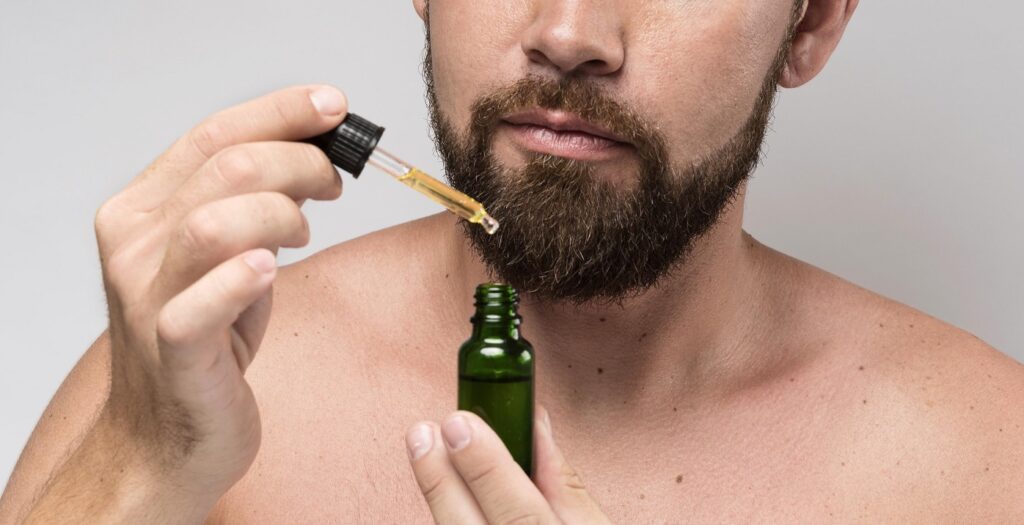
Maintain a low fade with beard at home by trimming the beard every 5 to 7 days with a guard set to your preferred length. Use a detailer to keep the neckline and cheek line clean between barber visits. The fade itself is harder to maintain at home, so most men leave that to the barber every 3 to 4 weeks. Beard oil applied daily keeps the facial hair soft and the skin underneath comfortable.
What products work best for a low fade with beard?
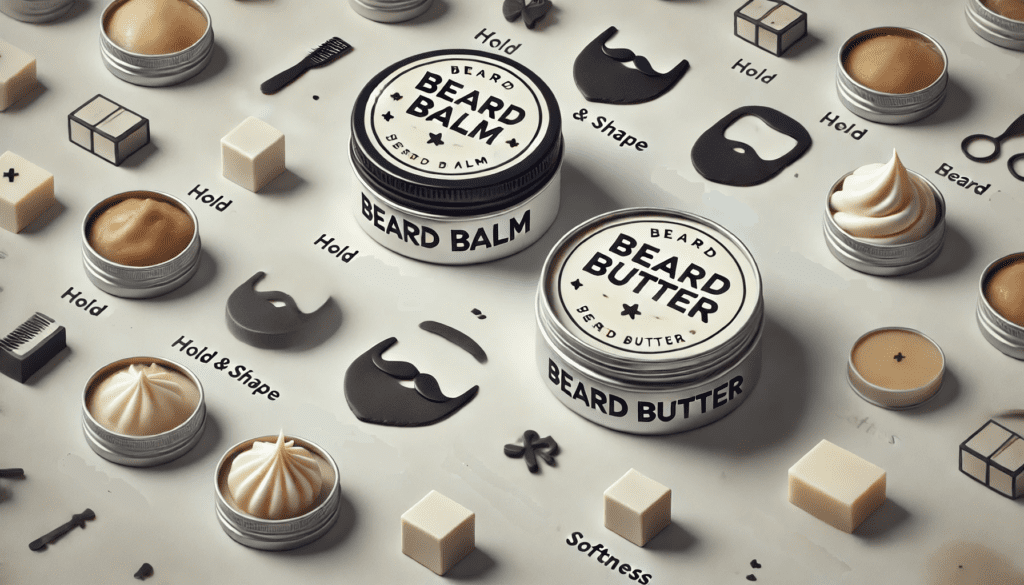
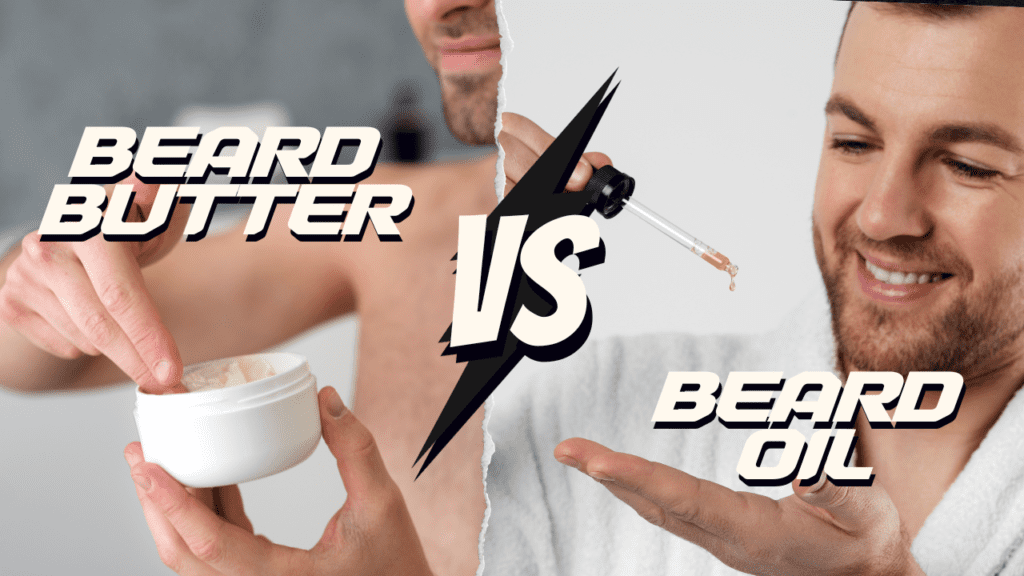
For the hair on top, use a matte clay, paste, or pomade depending on the style. A matte product works for textured crops and short styles. A pomade works for slick backs and comb overs. For the beard, use a beard oil daily for softness and a beard balm when you need hold and shape control.
Why the Low Fade with Beard Is the Smartest Cut You Can Get
The low fade with beard became my default cut because it does everything I need without trying too hard. It looks clean on day one, holds up well into week three, and works whether I’m in a meeting or out on the weekend.
What makes this combination reliable is the subtlety. The low fade does not remove too much hair from the sides, so the overall look stays balanced. And because the fade sits close to the natural beard line, the sideburn blend is shorter and cleaner than it would be with a higher fade. If you have not tried a low fade with beard yet, start with a short or medium beard length and go from there. Browse more popular beard styles to find your next combination.