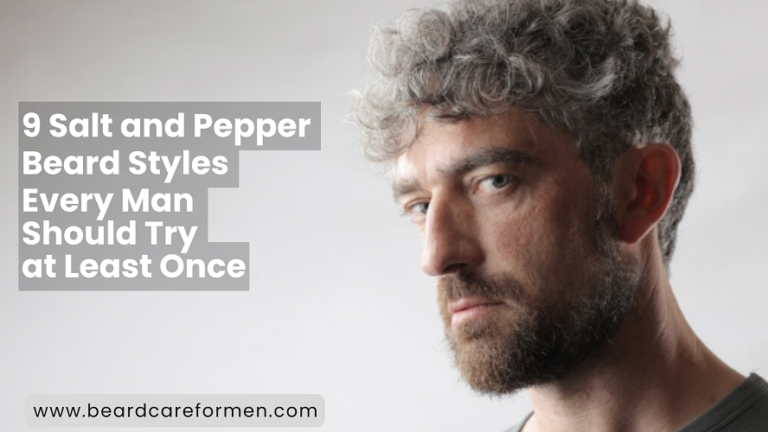
The salt and pepper beard sits in that perfect zone between youth and full grey. I watched my beard transition into this mix over several years, and what initially felt like losing my color turned out to be gaining something better. The contrast between dark and grey hairs creates visual depth that solid colors simply can’t match.
This beard color has become one of the most desired looks in men’s grooming. The blend of dark and light suggests experience without looking elderly, and the natural variation adds texture and interest to any beard style. Among the many beard styles for men, the salt and pepper look stands apart. Whether your salt and pepper is natural or you’re considering dyeing to achieve the look, this guide covers everything you need to know about rocking this distinguished color.
What Is a Salt and Pepper Beard?
A salt and pepper beard is facial hair that contains a mix of dark and grey or white hairs. The name comes from the appearance resembling a blend of black pepper and white salt. The ratio varies between individuals, from mostly dark with scattered grey to predominantly grey with remaining dark strands.
This stage typically represents a transitional phase between full color and complete grey. Some men stay in the salt and pepper zone for years or even decades, while others pass through it more quickly. The duration depends on genetics and how rapidly your remaining pigmented follicles lose their melanin production.
The distribution of grey in a salt and pepper beard isn’t always uniform. Many men find grey concentrating first around the chin and along the jawline, while the cheeks and mustache retain more color. This uneven pattern creates additional visual interest that uniform coloring lacks.
Salt and pepper works with any base color, not just black. Brown, red, and blonde beards all develop salt and pepper patterns as they grey. The contrast is most dramatic with darker base colors, but lighter beards gain similar dimension as grey mixes with their natural shade.
Is a Salt and Pepper Beard Attractive?
A salt and pepper beard is widely considered attractive, often more so than either solid dark or fully grey beards. Research and surveys consistently show that women rate men with greying hair as more mature, experienced, and distinguished. The salt and pepper phase hits the sweet spot between youthful energy and seasoned confidence.
The attractiveness comes from what the coloring signals. Salt and pepper suggests a man who has lived long enough to gain experience but hasn’t reached elderly status. It communicates stability and maturity without implying decline. These associations make salt and pepper beards appealing in both personal and professional contexts.
Visual interest also plays a role in the appeal. The contrast between dark and light hairs creates texture and depth that single-color beards lack. Each hair catches light differently, making the beard appear more dynamic and three-dimensional.
Celebrity examples reinforce the attractiveness of salt and pepper. Actors like George Clooney, Idris Elba, and Jeffrey Dean Morgan have made the look iconic. Their groomed salt and pepper beards demonstrate how distinguished the color can appear when properly maintained.
I was self-conscious when my salt and pepper started showing, but the compliments I received changed my perspective. People responded more positively to the mixed coloring than they had to my solid brown beard years earlier.
Salt and Pepper Beard on Black Men
The salt and pepper beard looks particularly striking on black men because of the high contrast between dark skin and grey hairs. The grey stands out dramatically against both the remaining black hair and the complexion, creating a bold visual effect that lighter skin tones don’t achieve as strongly.
Black men often develop salt and pepper patterns later than men of other ethnicities. African genetics typically delay greying into the forties or later, meaning black men with salt and pepper beards may be older than similarly colored men of European descent. This adds to the distinguished quality of the look.
The grey in a salt and pepper beard on black men tends to appear particularly bright and silver against the jet black base color. This stark contrast makes even small amounts of grey highly visible, meaning black men may appear to have more grey than they actually do.
Many handsome black men with salt and pepper beards have become style icons. Actors like Idris Elba, Morris Chestnut, and Blair Underwood demonstrate how the look conveys power and sophistication. For more inspiration, check out black men beard styles that showcase the distinguished effect.
The texture of African hair can make salt and pepper beards appear fuller and more dramatic. The curl pattern creates volume that spreads the grey throughout the visible surface, maximizing the salt and pepper effect.
9 Salt and Pepper Beard Styles
The salt and pepper color works beautifully with many popular beard styles. The contrast adds dimension to any shape, making these nine styles particularly effective for mixed coloring.
1. Short Salt and Pepper Beard
A short salt and pepper beard keeps the length between half an inch and one inch while showcasing the color blend. The short length prevents the grey from looking scraggly while still displaying the contrast between dark and light hairs. This style works well in professional settings where longer beards might seem too casual.
Maintain a short salt and pepper beard with weekly trimming to keep the length consistent. The short cut makes the color distribution visible without any single shade dominating the look.
2. Full Salt and Pepper Beard
A full salt and pepper beard grows to medium length with coverage across the cheeks, chin, and jawline. The added length lets the color variation fully express itself, with different areas showing different ratios of dark to grey. The full beard creates maximum visual impact from the salt and pepper coloring.
This style requires more maintenance to keep the salt and pepper looking distinguished rather than neglected. Regular conditioning and shaping ensure the color reads as intentional.
3. Salt and Pepper Stubble
Salt and pepper stubble keeps facial hair at heavy five o’clock shadow length, around one to three millimeters. Even at this short length, the contrast between dark and grey hairs creates visible texture and dimension. The stubble style offers the salt and pepper look with minimal maintenance requirements.
Trim salt and pepper stubble every two to three days to maintain consistent length. The short cut makes the color blend look clean and intentional rather than simply unshaven.
4. Salt and Pepper Goatee
A salt and pepper goatee concentrates the mixed coloring on the chin and around the mouth. Many men find their grey appears first in these areas, making the goatee a natural fit for salt and pepper. The clean cheeks focus attention on where the color contrast is strongest.
Keep the goatee well-shaped with defined edges to emphasize that the salt and pepper is a deliberate style choice. The contained shape makes the color blend look intentional.
5. Salt and Pepper Beard With Fade
Combining a salt and pepper beard with a fade creates a modern, groomed appearance. The fade transitions smoothly from the haircut into the beard at the sideburns, while the salt and pepper coloring adds visual interest below. This combination works particularly well for black men whose hair texture allows seamless blending.
Regular barber visits maintain the fade portion of this style. The crisp transition between hair and beard keeps the salt and pepper looking sharp rather than grown out. Learn how to fade a beard for best results.
6. Distinguished Salt and Pepper
The distinguished salt and pepper beard prioritizes grooming and shaping to maximize the sophisticated effect of the color. Sharp cheek lines, a defined neckline, and consistent length throughout create a polished look. Every element signals that the bearer takes pride in his appearance.
This style requires the most maintenance but delivers the strongest impression. Professional shaping every few weeks combined with daily care creates the distinguished effect.
7. Natural Salt and Pepper
A natural salt and pepper beard lets the color develop without interference, embracing whatever pattern emerges. Rather than trying to even out the distribution or shape the beard tightly, this style celebrates the organic way grey spreads through dark hair.
The natural approach still requires basic maintenance like washing and conditioning. The difference is accepting the uneven color distribution as part of the style rather than fighting it.
8. Salt and Pepper Van Dyke
The Van Dyke style combines a goatee with a separate mustache, and both elements look striking in salt and pepper. The disconnected sections allow different ratios of dark to grey in the mustache versus the chin beard. This creates additional visual complexity within the already interesting color blend.
Shape the Van Dyke carefully to maintain the separation between mustache and goatee. The clean gap between them emphasizes the deliberate styling.
9. Heavy Salt and Pepper
A heavy salt and pepper beard leans toward the grey end of the spectrum while retaining enough dark to maintain the contrast. This later-stage salt and pepper looks particularly distinguished and signals confident acceptance of aging. The predominantly grey with scattered dark creates a reversed version of the typical pattern.
Men with heavy salt and pepper often find their beards appear brighter overall. The grey dominates while the remaining dark hairs add depth and prevent the pure white look.
How to Get a Salt and Pepper Beard
Getting a salt and pepper beard happens naturally for most men as they age, but some want to accelerate the process or create the look artificially. Several approaches can help you achieve salt and pepper coloring.
- Step 1: Waiting is the simplest method. If you’re in your thirties or older, salt and pepper is likely coming naturally. Let your beard grow without dyeing it and embrace the grey as it appears. Most men see noticeable salt and pepper between ages 35 and 45.
- Step 2: Stop covering grey if you’ve been dyeing. Men who have hidden their grey with dye can transition to salt and pepper by letting the natural color grow in. This process takes several months as the dyed portions grow out and you trim them away.
- Step 3: Use partial coverage dye products designed to leave some grey showing. Touch of grey and similar products cover only a portion of your grey, creating an instant salt and pepper effect. These products let you control the ratio of dark to grey.
- Step 4: Dye your beard to achieve salt and pepper if you’re younger and want the look now. This involves either bleaching dark hair to grey in selected areas or applying grey color to create contrast. The next section covers dyeing methods in detail.
How to Dye Your Beard Salt and Pepper
Dyeing your beard salt and pepper creates the mixed color look artificially. Several methods can achieve this effect, each with different levels of difficulty and commitment.
- Step 1: Partial bleaching creates grey strands throughout a dark beard. Apply bleach to random sections of your beard rather than coating everything evenly. The bleached hairs become pale while the untouched hairs stay dark, creating the salt and pepper contrast. This method requires careful application to avoid an unnatural pattern.
- Step 2: Touch of grey dye products offer the easiest path to salt and pepper. These are designed specifically to cover only part of your grey, leaving the rest visible. Apply to a fully grey beard to add dark, or apply to a dark beard that has some natural grey to darken only the darker strands.
- Step 3: Highlights and lowlights create salt and pepper through professional coloring techniques. A stylist can add grey or silver highlights to a dark beard, or add dark lowlights to a grey beard. This salon approach produces the most natural-looking results but costs more than DIY methods.
- Step 4: Temporary color products let you test the salt and pepper look before committing. Sprays and waxes can add grey tones that wash out after one shampoo. Use these to see whether you like the effect before attempting permanent dyeing.
Creating natural-looking salt and pepper through dye is challenging. The goal is random distribution rather than uniform application. Work in small sections and vary where you apply color to avoid obvious patterns that reveal the artificial origin.
Best Salt and Pepper Beard Dye Products
The best salt and pepper beard dye depends on whether you’re adding grey to a dark beard or adding dark to a grey beard. Different products serve each purpose.
For adding grey to dark beards, look for beard bleach kits that include toner. The bleach removes dark pigment while the toner prevents brassy yellow tones that can occur during lightening. Apply to random sections rather than the full beard.
For blending existing grey with remaining dark, touch of grey products work well. Just For Men Touch of Grey and similar products are formulated to cover only some grey while leaving the rest visible. The result mimics natural salt and pepper.
For adding dark to grey beards, semi-permanent beard dyes in your original color work best. Apply lightly and unevenly to create variation rather than solid coverage. Semi-permanent formulas fade gradually, making the transition less obvious than permanent dye growing out.
Temporary options include grey beard color sprays and tinted beard waxes. These wash out completely and let you experiment without commitment. They’re also useful for enhancing natural salt and pepper for special occasions.
Whichever product you choose, do a patch test first. Beard hair can react differently to dye than head hair. Test a small hidden area before applying to your full beard.
Maintaining a Salt and Pepper Beard
Salt and pepper beards require specific care to look their best. The mixed coloring creates unique maintenance needs.
- Keep grey portions from yellowing. Grey and white hairs can develop yellow tones from sun exposure, pollution, and product buildup. Use a purple-tinted shampoo occasionally to neutralize yellow and keep the grey bright and clean.
- Condition more than you might with a solid-color beard. Grey hairs tend to be coarser and drier than pigmented hairs. Rich beard balms and butters help soften both the grey and dark strands, keeping the whole beard manageable.
- Groom consistently to keep the salt and pepper looking intentional. An unkempt salt and pepper beard can look neglected rather than distinguished. Regular trimming, defined edges, and daily brushing show that the color is a style choice. Learn how to comb your beard properly for best results.
- Protect from sun damage. UV radiation can accelerate greying and damage the hair cuticle. Use beard products with SPF or limit direct sun exposure to maintain the health and color of your salt and pepper.
- If you’ve dyed to achieve salt and pepper, maintenance includes managing regrowth. Your natural color will show at the roots, requiring touch-ups every few weeks to maintain the effect.
FAQs
What is a salt and pepper beard?
A salt and pepper beard contains a mix of dark and grey or white hairs, creating a blend that resembles salt mixed with pepper. The ratio varies between individuals and changes over time as more grey appears. This color phase typically represents a transition between full color and complete grey.
Is a salt and pepper beard attractive?
A salt and pepper beard is widely considered attractive. The color signals maturity and experience without suggesting elderly status. The contrast between dark and light hairs creates visual depth and texture. Surveys consistently show that women rate men with salt and pepper coloring as distinguished and sophisticated.
How do I dye my beard salt and pepper?
Dye your beard salt and pepper by either bleaching random sections of a dark beard to create grey, or using touch of grey products that cover only part of existing grey. Apply color unevenly to create natural-looking variation. Professional highlighting or lowlighting techniques produce the most realistic results.
At what age do men get salt and pepper beards?
Most men develop salt and pepper beards between ages 35 and 50. The timing depends heavily on genetics and ethnicity. Caucasian men typically grey earliest, while African men often grey latest. Some men see salt and pepper in their twenties, while others maintain solid color into their fifties.
What’s the best dye for a salt and pepper beard?
The best dye for a salt and pepper beard depends on your goal. Touch of grey products work well for creating or enhancing salt and pepper from natural grey. Beard bleach with toner creates grey in dark beards. Semi-permanent dyes add dark back to grey beards. Choose based on your starting color and desired result.
How do black men style salt and pepper beards?
Black men style salt and pepper beards using the same approaches as other men, but the high contrast between dark skin and grey hair creates particularly striking results. Popular styles include short trimmed beards with fades, full beards with sharp edges, and goatees that showcase the color blend. Regular grooming emphasizes the distinguished look.
Should I embrace or dye my salt and pepper beard?
Embracing your salt and pepper beard is often the better choice because the natural color creates attractive variation that’s hard to replicate with dye. The look is widely considered distinguished and attractive. Dyeing requires ongoing maintenance and can damage hair. Most men who embrace salt and pepper report positive reactions.
How do I keep my salt and pepper beard from yellowing?
Keep your salt and pepper beard from yellowing by using purple-tinted shampoo occasionally to neutralize yellow tones. Avoid smoking, which causes yellowing. Protect from sun exposure with SPF products or limiting direct sunlight. Keep the beard clean to prevent product buildup that can discolor grey hairs.
Can I make my salt and pepper beard more even?
You can make your salt and pepper beard more even by using partial dye techniques. Add grey with bleach to areas that are still dark, or add dark with dye to areas that are heavily grey. However, uneven distribution is part of what makes salt and pepper look natural and attractive. Consider embracing the variation.
What products work best for salt and pepper beard care?
The best products for salt and pepper beard care include rich beard oils for moisture, purple shampoo for preventing yellowing, heavy beard balms for conditioning coarse grey hairs, and SPF products for sun protection. Grey hairs need more conditioning than pigmented hairs, so prioritize hydrating products.
The Timeless Appeal of the Salt and Pepper Beard
The salt and pepper beard represents a phase of life that many men find surprisingly positive. What starts as evidence of aging often becomes a distinguishing feature that draws compliments and respect. The blend of dark and grey creates visual interest that solid colors can’t match.
I resisted my salt and pepper initially before realizing it was the best my beard had ever looked. The texture, the contrast, the way it caught light differently in different areas, all of it added up to something better than my solid brown had been. Whether you’re waiting for salt and pepper to arrive naturally, embracing what you already have, or considering dyeing to achieve the look, the effort is worth it. A well-maintained salt and pepper beard tells the world you’ve earned your grey and you’re proud of it.