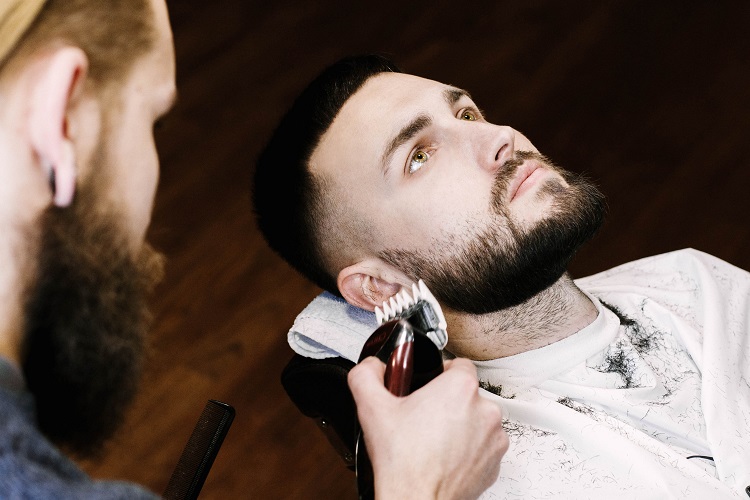
The tapered beard transforms a standard beard into something sculpted and intentional. I discovered this technique after years of wearing my beard at uniform length, and the difference was immediate. The gradual transition from shorter to longer hair created shape and definition that my flat-cut beard had always lacked.
Tapering adds dimension to any beard length, from short stubble to long full beards. For anyone searching for a style that adds structure and sophistication, the tapered beard ranks high on the list of best beard styles for men. The technique involves gradually increasing hair length from one area to another, typically from the sideburns down to the chin or from the cheeks out to the jawline. This guide covers what makes a tapered beard distinctive, how to achieve different tapered styles, and step-by-step trimming instructions.
What Is a Tapered Beard?
A tapered beard features a gradual change in length from one area to another, creating a sculpted appearance rather than uniform coverage. The hair progressively gets longer or shorter as it moves across the face, eliminating the blunt, boxy look of a single-length cut.
The most common taper runs from the sideburns down to the chin. The shortest hair sits near the ears, gradually increasing in length as it moves toward the jawline and chin. This creates a natural flow that follows the contours of the face.
This structured yet natural approach is also a hallmark of the Italian beard style, which emphasizes clean tapers along the cheeks and sideburns while maintaining fuller length around the jaw and chin for a refined, masculine look.
Tapering differs from fading, though the terms are sometimes used interchangeably. A taper involves gradual length changes within the beard itself. A fade specifically describes the transition zone where the beard meets the hairline or skin, blending from full coverage to bare skin or very short hair.
The tapered look requires more skill to achieve than a uniform trim but produces a more polished result. The gradual transitions eliminate harsh lines and create visual flow that guides the eye along the face’s natural structure.
Tapered Beard vs Uniform Beard: Why Tapering Works Better
Understanding the difference between tapered and uniform beards explains why tapering often produces better results.
A uniform beard keeps the same length across all areas. Running a trimmer with one guard setting over the entire face creates this effect. While simple to achieve, uniform beards can look flat and shapeless because they ignore the face’s natural contours.
A tapered beard works with facial structure rather than against it. Shorter hair near the ears keeps the upper cheeks from looking puffy. Longer hair at the chin adds vertical length to the face. The gradual transition between these areas creates a three-dimensional effect.
Tapering also allows for better face shape correction. Round faces benefit from longer chin length and shorter cheeks. Long faces need the opposite approach. A uniform cut can’t make these adjustments; tapering can.
The groomed appearance of a tapered beard signals attention to detail. Uniform beards can look like the wearer simply used whatever guard was handy. Tapered beards show intentional styling choices.
9 Tapered Beard Styles
Tapering techniques adapt to different beard lengths and personal preferences. Here are nine popular tapered beard styles to consider.
1. Short Tapered Beard
A short tapered beard keeps overall length between half an inch and one inch while incorporating gradual transitions. The taper runs from very short near the sideburns to the full short length at the chin. This style looks professional and polished without requiring extensive growth.
The short tapered beard works well in corporate environments where longer beards might seem too casual. The tapering adds sophistication that elevates the look beyond basic stubble or uniform short growth.
2. Long Tapered Beard
A long tapered beard extends past two inches at its longest points while maintaining shorter lengths near the ears and upper cheeks. The extended chin creates a dramatic focal point while the tapered sides prevent the beard from looking bulky or unkempt.
Long tapered beards require regular maintenance to keep the gradual transition looking smooth. Without attention, the growth can become uneven and lose the sculpted effect.
3. Medium Tapered Beard
The medium tapered beard falls between short and long, with the chin length reaching one to two inches. This versatile length works in most settings and offers enough hair to show clear tapering while remaining manageable. Most men find this length their sweet spot for daily wear.
I wore a medium tapered beard for several years because it balanced style with practicality. The length showed the taper clearly without requiring the intensive care of a longer beard.
4. Tapered Beard Fade
A tapered beard fade combines beard tapering with a fade at the sideburns where the beard meets the haircut. The beard length increases from near-skin at the temples through the gradual taper to full length at the chin. This creates seamless integration between hair and beard.
The tapered beard fade requires skill to execute and maintain. Barber visits every two to three weeks keep the fade portion sharp. Between visits, focus on maintaining the taper within the beard itself. Check out fade haircut with beard styles for more inspiration.
5. Tapered Beard for Black Men
Tapered beard styles for black men often feature crisp line-ups and precise edges that complement the natural texture of African hair. The curl pattern creates volume that tapering helps control. Sharp cheek lines and temple fades frequently accompany the tapered beard in these styles.
The high contrast between dark skin and beard hair makes tapering particularly striking on black men. The gradual length changes show clearly and create dramatic visual effects that lighter complexions don’t achieve as strongly.
6. Tapered Beard Bald Head
A tapered beard with a bald head creates strong visual balance. Without hair on the scalp, the beard becomes the primary feature, and tapering adds the dimension that head hair would otherwise provide. The fade at the temples blends the bare scalp into the beard seamlessly.
This combination has become iconic, worn by celebrities and athletes who embrace the bald-with-beard look. The tapering prevents the beard from appearing disconnected from the rest of the grooming.
7. Low Tapered Beard
A low tapered beard keeps the taper subtle, with minimal length difference between the shortest and longest areas. The gradual transition adds shape without dramatically changing the overall appearance. This understated approach suits men who want refinement without obvious styling.
The low taper works well on men who prefer natural-looking beards. The shaping is there but doesn’t call attention to itself. The result looks groomed without appearing overly styled.
8. Tapered Beard With Long Hair
Pairing a tapered beard with long head hair creates a balanced masculine look. The beard’s structured taper provides contrast to the flowing hair above. This combination works particularly well when the beard is medium to long length, matching the substantial hair.
The key is ensuring the beard looks intentional rather than neglected. Long hair can sometimes suggest a casual approach to grooming; the tapered beard counters this by showing deliberate styling.
9. High Tapered Beard
A high tapered beard features dramatic length differences, with very short hair at the sideburns and significantly longer hair at the chin. The bold transition creates strong visual impact and allows for creative shaping. This style makes a statement and draws attention to the beard.
High tapers require precise execution to avoid looking uneven. The dramatic length change means any mistakes show clearly. Professional shaping helps achieve the initial shape, followed by careful home maintenance.
How to Grow a Tapered Beard
Growing a tapered beard starts with establishing enough length to shape. The tapering happens during trimming, not during growth, but proper growth habits set you up for success.
- Step 1: Let your beard grow untrimmed for four to six weeks to establish baseline length. Resist shaping during this period. You need enough hair to create the taper, which requires different lengths in different areas. Starting too soon limits your options.
- Step 2: Keep the cheeks and neck clean during the growth phase if you prefer. Removing hair from areas outside the beard doesn’t affect the tapering zones. Some men grow everything and shape later; others maintain clean boundaries from the start.
- Step 3: After reaching sufficient length, usually around one inch at the chin, begin creating the taper. Work gradually, taking small amounts off the sides while leaving the chin longer. You can always remove more hair, but you can’t add it back.
- Step 4: Continue growing if you want a longer tapered beard. The longer styles require more growth time at the chin while maintaining shorter trimmed sides. Six months produces enough chin length for dramatic long tapered styles.
How to Trim a Tapered Beard
Trimming a tapered beard requires multiple guard lengths and attention to blending zones. Follow these steps for at-home tapering.
- Step 1: Start by deciding your length range. Choose the shortest length for near the ears and the longest for the chin. For example, a common combination uses a 3mm guard at the sideburns transitioning to 12mm at the chin.
- Step 2: Begin with the longest guard and trim the chin area. This establishes your maximum length and gives you a reference point for the taper. Work from the bottom of the chin upward, stopping where you want the transition to begin.
- Step 3: Switch to a medium-length guard for the mid-cheek area. Blend into the chin length by overlapping slightly with the previously trimmed zone. The overlap creates a gradual transition rather than a harsh line.
- Step 4: Use your shortest guard near the sideburns. Again, blend into the medium-length zone by overlapping. Work slowly and check your progress frequently in the mirror.
- Step 5: Finish by addressing any visible lines between length zones. Use the medium guard with light pressure to blend transition areas. The goal is smooth gradients with no obvious steps between lengths.
- Step 6: Clean up the edges with a guardless trimmer. Define your cheek line, neckline, and any other borders. The clean edges frame the tapered interior.
How to Do a Tapered Beard Fade
Creating a tapered beard fade combines beard tapering with a skin fade at the sideburns. This advanced technique requires practice to master. Learn how to fade a beard properly for best results.
- Step 1: Start the fade at the temples where your hairline meets your beard. Using a trimmer with no guard, create a small area of bare or nearly bare skin. This forms the starting point of your fade.
- Step 2: Switch to your shortest guard and work below the bare area. Angle the trimmer to blend from the skin into the short stubble. Overlap with the bare zone to eliminate any hard lines.
- Step 3: Progress through longer guards as you move down the face. Each zone should blend smoothly into the next. Take small steps between guard sizes, using 0.5mm or 1mm increments if your trimmer allows.
- Step 4: Continue the standard taper from the fade down through the beard. The fade handles the transition from skin to beard; the taper handles the length change within the beard itself.
- Step 5: Many men find having a barber create the initial fade easier than doing it themselves. Once established, maintaining the fade at home becomes more manageable. Touch up every few days to prevent obvious regrowth lines.
Tapered Beard for Different Face Shapes
Tapering allows you to customize your beard shape for your face. Different faces benefit from different taper approaches.
- Round faces need length at the chin to elongate the appearance. Use a strong taper with very short sides and a significantly longer chin. The vertical emphasis counteracts the face’s circular shape.
- Long or rectangular faces should keep the chin shorter relative to the sides. A subtle taper with minimal length difference avoids adding more vertical emphasis. Fuller sides add width that balances the face’s natural length.
- Square faces can go either direction depending on preference. A tapered chin softens angular features, while fuller sides emphasize the strong jawline. Experiment to find which approach suits your style.
- Oval faces suit most taper variations because their balanced proportions don’t need correction. Use tapering for aesthetic preference rather than face shape adjustment. The standard taper from short sides to longer chin works well.
- Heart-shaped faces benefit from fuller sides that add width at the jaw, balancing a wider forehead. Keep the taper subtle and let the beard add mass where the face naturally narrows.
Maintaining a Tapered Beard
Tapered beards require more maintenance than uniform cuts because you’re managing multiple lengths simultaneously.
- Trim every one to two weeks to maintain the taper. As hair grows, the length differences you created become less distinct. Regular trimming preserves the gradual transitions.
- Pay attention to each zone during maintenance. The fastest-growing areas may need more frequent attention than others. Your chin might stay in proportion while your cheeks grow out faster, or vice versa.
- Use the same guard progression each time you trim. Consistency maintains the proportions you established. Changing guard lengths randomly leads to losing your taper shape.
- Keep edges clean between full trims. The cheek line, neckline, and any fade portions need attention every few days. Clean borders frame the tapered interior and maintain the groomed appearance.
- Condition your beard daily regardless of length. Beard oil keeps all zones soft and manageable. Well-conditioned hair lies better and shows the taper more clearly.
FAQs
What is a tapered beard?
A tapered beard features gradual length changes from one area to another, typically shorter near the sideburns and longer at the chin. The progressive transition creates a sculpted, dimensional appearance rather than uniform flat coverage. Tapering adds shape that follows the face’s natural contours.
How do I trim a tapered beard at home?
Trim a tapered beard at home using multiple trimmer guard lengths. Start with the longest guard at the chin, then switch to progressively shorter guards as you move toward the sideburns. Blend each zone by overlapping with the previous section. Work slowly and check your progress frequently.
What’s the difference between a taper and a fade?
A taper refers to gradual length changes within the beard itself. A fade specifically describes the transition zone where the beard meets skin or the hairline, blending from full coverage to bare or very short. A tapered beard can include a fade at the sideburns but doesn’t have to.
How long does it take to grow a tapered beard?
Growing enough length for a tapered beard takes four to six weeks for short styles and three to six months for longer versions. The chin needs the most growth time since it will be the longest area. The sides can be trimmed short even with minimal growth.
Does a tapered beard work on all face shapes?
A tapered beard works on all face shapes but should be customized for each. Round faces benefit from dramatic tapers with long chins. Long faces need subtle tapers with fuller sides. The adjustable nature of tapering means it can be adapted to flatter any face shape.
How often should I trim a tapered beard?
Trim a tapered beard every one to two weeks to maintain the shape. The gradual transitions lose definition as hair grows evenly across all zones. More dramatic tapers may need weekly attention, while subtle tapers can go longer between trims. Clean up edges every few days.
Can I taper a short beard?
You can taper a short beard effectively. Even with half an inch of total length, varying from 3mm at the sideburns to 12mm at the chin creates visible tapering. The technique works at any length; the proportional differences simply scale with overall beard size.
What tools do I need for tapering?
Tapering requires a trimmer with multiple guard attachments in different sizes. Look for sets with small increments between guards, such as 1mm, 2mm, 3mm, and so on. A guardless trimmer or razor handles edge cleanup. Scissors help with precision work on longer tapered beards.
Should I taper my beard myself or go to a barber?
Starting with a barber helps establish the right taper shape for your face. Once you understand the proportions and technique, maintaining at home becomes manageable. Complex styles like tapered fades benefit from professional touch-ups every few weeks even if you handle basic maintenance.
Does tapering work on curly beards?
Tapering works on curly beards and often looks particularly good because the texture adds additional visual interest to the graduated lengths. Curly beards may require scissor trimming rather than guards for precise tapering. The curl pattern can hide small imperfections in the taper transitions.
Master the Tapered Beard for a Refined Look
The tapered beard elevates any beard style from basic to refined. The technique adds dimension and shape that uniform trimming simply cannot achieve. Whether you prefer a subtle low taper or a dramatic high taper, the gradual length changes create visual flow that flatters your face.
I recommend every man try tapering at least once. The difference between a flat uniform beard and a properly tapered one is striking. Start with a professional shaping to understand the proportions, then practice maintaining at home. Once you master the technique, you’ll never want to go back to single-length trimming.