Many men struggle to keep up with beard trends. What was stylish last year might already feel outdated, and with grooming trends constantly evolving, it’s hard to know which look is actually in right now. From shifting fade styles to changing preferences in length, texture, and sharpness, beard fashion in 2026 has taken a fresh turn.
In this guide, we’ll break down the Top 20 Beard Styles for Men in 2026 so you can confidently choose a look that’s modern, flattering, and ahead of the trend.
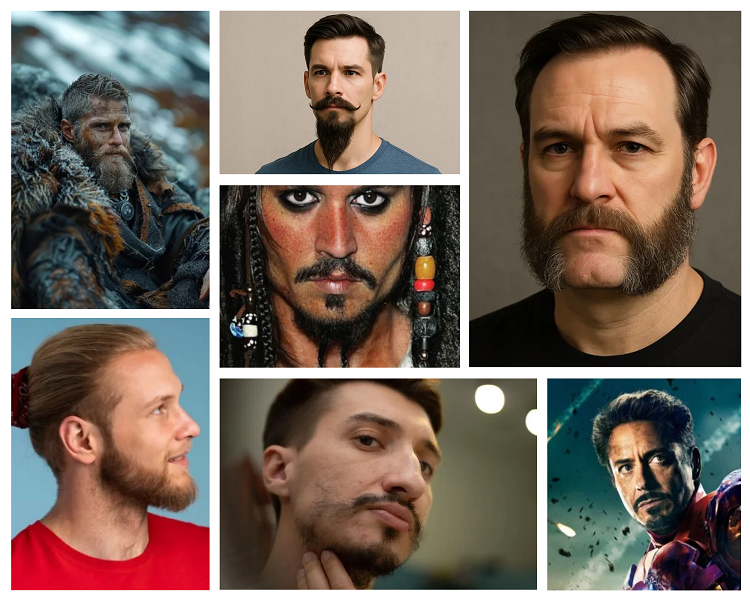
1. Italian Beard
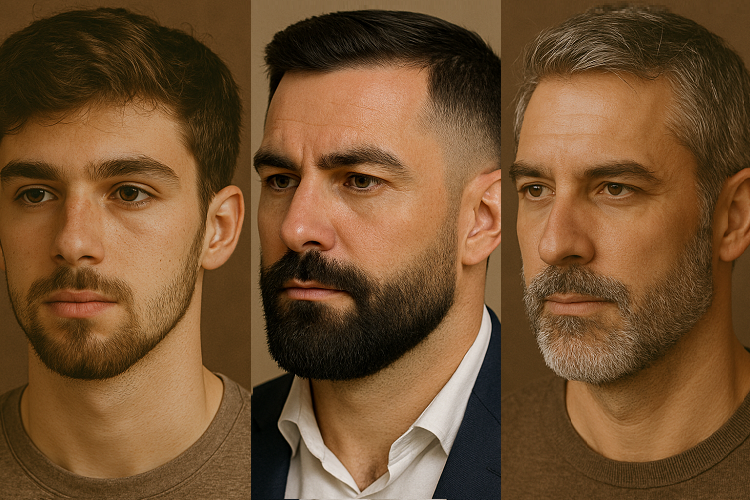
The Italian beard connects a full mustache to a rounded, well-groomed beard that hugs the jawline tightly. The cheek line stays clean. The neckline sits just above the Adam’s apple. Every edge looks deliberate.
This style dominates 2026 because the Mediterranean grooming aesthetic exploded across men’s fashion. Clean skin on the upper cheeks paired with dense coverage along the jaw creates a structured, angular look that photographs well and reads as polished without looking corporate. Oval and rectangular face shapes benefit most from this style because the rounded chin coverage balances longer facial proportions.
Trim the cheek line weekly. Apply a quality beard butter to keep hair soft and shaped throughout the day.
2. Van Dyke Beard
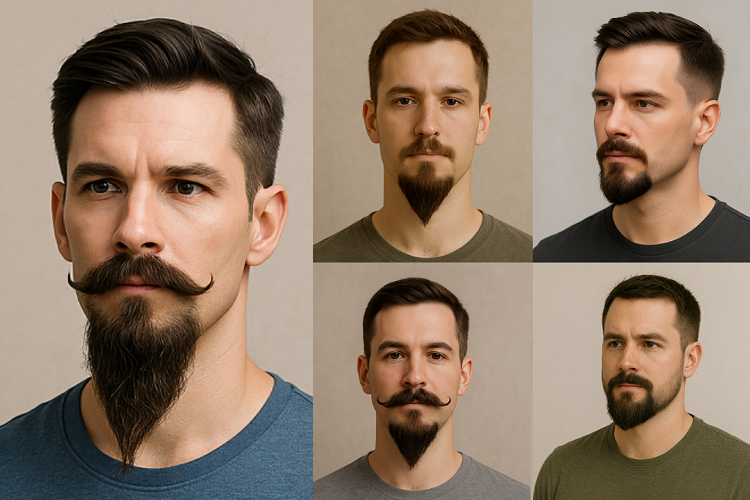
The Van Dyke beard keeps the cheeks completely clean-shaven while pairing a pointed chin beard with a disconnected mustache. The separation between mustache and goatee is what makes this style distinctive.
In 2026, disconnected beard styles are gaining serious traction because they break the “full coverage or nothing” mentality that dominated previous years. The Van Dyke specifically works for men who cannot grow thick cheek hair but have strong chin and upper lip density. Round and square face shapes gain visible elongation from the pointed chin section. Precision trimming every 3 to 4 days keeps the disconnect sharp.
3. Tony Stark Beard

The Tony Stark beard is a thin, sculpted chin strap and goatee combination where every line is razor-sharp and intentional. Nothing about this style is accidental. Expect daily touch-ups with a precision trimmer.
This style trends hard in 2026 because minimalist grooming paired with maximum definition became the standard for men who want facial hair without bulk. The sharp geometric lines project control and precision. It pairs best with angular face shapes and works on men with dense, dark facial hair where defined lines show up clearly. Sparse or light-colored growth makes this style extremely difficult to maintain visibly.
4. Jack Sparrow Beard

The Jack Sparrow beard combines braided elements, beard beads, and a deliberately unkempt growth pattern. This requires length. At least 4 to 6 inches of chin growth before braiding becomes possible.
The reason this style re-emerged in 2026 is the growing counter-movement against overly polished grooming. Men who built long beards during remote work years are now styling them with personality instead of trimming them down. Braided beard techniques and accessories turned functional length into a statement. Regular conditioning with beard oil prevents tangling and breakage in the braided sections.
5. Balbo Beard
The Balbo beard features a disconnected mustache with a beard covering the chin and lower jaw while leaving sideburns completely clean. The jawline gains strong definition without full-coverage facial hair.
This style surged in 2026 because it solves a real problem. Many men grow thick chin hair but weak sideburn coverage. The Balbo turns that limitation into an intentional, sharp design. It flatters narrow and diamond-shaped faces by adding width and structure around the chin. Maintaining the clean cheek and sideburn areas requires shaving every 2 to 3 days.
6. Patchy Beard Styles

Not every man grows thick, uniform facial hair. Patchy beard styles work with uneven growth instead of hiding it. The key is choosing a length that minimizes visible gaps, typically a medium stubble or shorter beard where denser areas create natural texture.
Patchy beards became a recognized style category in 2026 because the grooming conversation finally shifted away from “wait until it fills in” toward “style what you actually grow.” Social media normalized embracing real growth patterns. Using a derma roller for beard growth stimulates follicle activity in thinner areas over time. Combining it with beard oil for growth maximizes results.
7. Mutton Chops
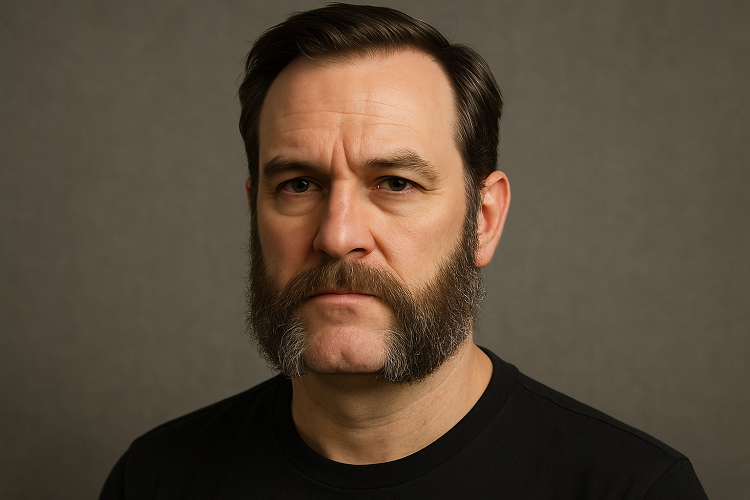
Mutton chops extend the sideburns into thick, wide patches that cover the cheeks and jaw while keeping the chin clean-shaven. Bold, unapologetic, and impossible to ignore.
Mutton chops came back in 2026 because retro grooming styles cycled back into relevance through vintage fashion trends and period-drama influence on men’s style. This is not a safe, subtle choice. It demands confidence and enough cheek coverage to fill out the shape. Oblong and rectangular face shapes benefit most because the wide sideburns add visual balance. Trim the outer edges weekly and keep the chin cleanly shaved for contrast.
8. Neck Beard
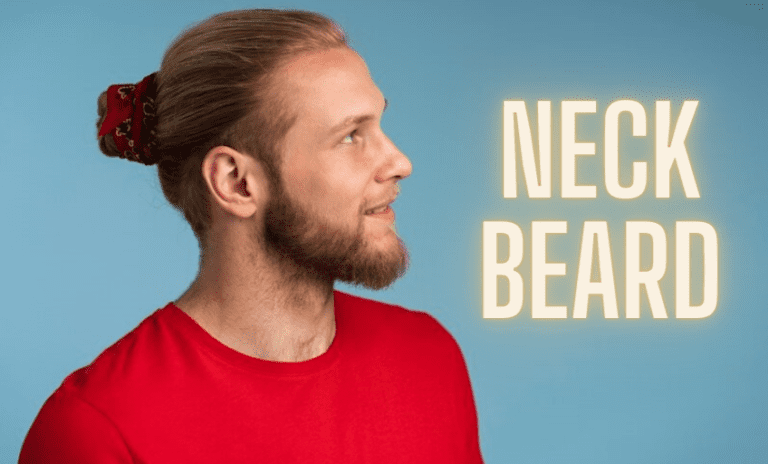
The neck beard grows below the jawline and across the neck. Often dismissed, but an intentionally styled neck beard works as a transitional phase toward a fuller beard or as a standalone style when kept at a controlled length.
In 2026, this style earned legitimacy because grooming content creators started showing how to shape it properly instead of mocking it. The critical factor is defining clear lower boundaries and keeping the growth trimmed to a uniform length. Without deliberate maintenance, this style loses its intentional appearance within days.
9. Ducktail Beard
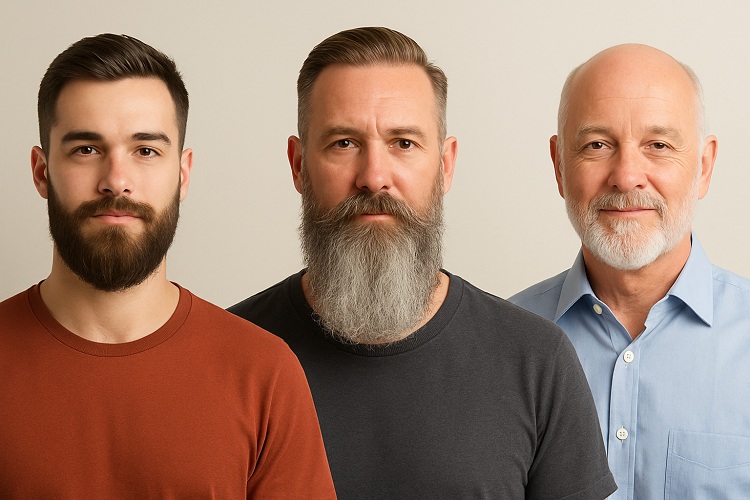
The ducktail beard tapers chin growth into a pointed shape while keeping the sides shorter and closer to the face. The V-shaped silhouette elongates the chin and adds definition to the lower face.
This became one of the most requested barbershop styles in 2026 because it bridges the gap between rugged length and structured grooming. Men who grew beards out over 3 to 4 months wanted shape without losing length. A skilled barber handles the initial taper cut. Regular home maintenance with a beard comb and trimmer keeps it looking intentional between appointments.
10. Extended Goatee

The extended goatee stretches the standard goatee shape along the jawline toward the ears. More coverage than a classic goatee, but the cheeks stay clean.
Extended goatees gained popularity in 2026 because they give men who cannot commit to a full beard a way to define their jawline with real structure. Round and square face shapes benefit most. The jawline coverage creates a slimming, angular effect that full beards sometimes mask. This style bridges minimal facial hair and full coverage without sitting in an awkward middle ground.
11. Stubble Beard

The stubble beard, sometimes called the 5 o’clock shadow, remains the lowest-maintenance option on this entire list. Keep growth between 1 to 3mm using a trimmer with a fixed guard.
Stubble never actually goes out of style, but in 2026 it gained renewed attention because grooming brands released precision stubble trimmers that maintain exact millimeter lengths. That technology made stubble look consistently sharp instead of accidentally unkempt. It suits virtually every face shape and hair type. Trim every 2 to 3 days to hold that intentional, just-grown appearance.
12. Viking Beard

Viking beard styles are built on length, volume, and a raw aesthetic. Expect a minimum of 6 months of committed growth. The longer beard styles in this category often incorporate braids, beads, and natural texture.
Viking beards pushed further into 2026 because the “reclaim masculinity through grooming” movement kept growing. Men who invested months of patience into their beard growth do not want a clean, corporate trim. They want something that carries visual weight. Heavy conditioning is non-negotiable. Use beard butter daily and apply beard butter at night for deep hydration.
13. Full Beard

The full beard covers cheeks, chin, jawline, and connects to the mustache with complete coverage. The most traditional and universally recognized beard style that exists.
Full beards in 2026 are trending differently than before. The emphasis shifted from “grow it big” to “grow it clean.” Men are maintaining tighter, more sculpted full beards with visible skin care underneath. Face shape matters here. Oval faces can grow freely. Round-faced men should keep sides shorter and the chin slightly longer. Regular conditioning with the right amount of beard butter and scheduled trims keep a full beard looking deliberate instead of neglected.
14. Faded Beard

Faded beard styles blend sideburns gradually into the beard, creating a seamless transition from head hair to facial hair. This technique works with almost any beard length and pairs perfectly with fade haircuts.
Faded beards exploded in 2026 because barbers started treating the beard and haircut as one unified design instead of separate grooming tasks. The result looks significantly more refined than a standard beard with abrupt sideburn edges. Learning how to fade a beard requires multiple clipper guard settings. Start with the shortest guard near the sideburn and increase length as you move toward the chin.
15. Circle Beard

The circle beard connects a rounded goatee with a mustache to form a circular shape around the mouth. Clean, professional, and surprisingly versatile.
Circle beards returned to relevance in 2026 as more men entered client-facing roles where full beards felt too casual but clean-shaven felt too bare. The circle beard sits in a professional sweet spot. It is particularly effective on square or angular jaw structures where the circular shape softens hard lines. Shape the outer edge every few days and keep the mustache-to-goatee connection seamless.
16. Goatee
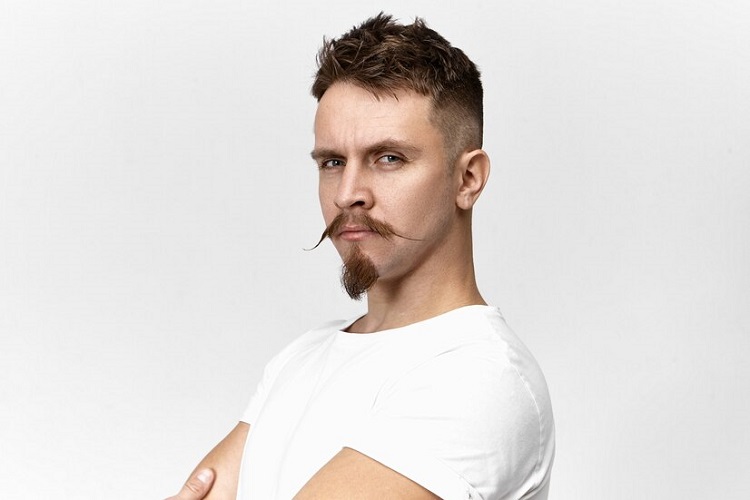
The classic goatee isolates growth to the chin only. No mustache, no cheek hair. Just a focused patch of facial hair on the chin that works across all beard densities because even thinner growth looks full in a small, concentrated area.
Goatees gained fresh momentum in 2026 because the “less is more” grooming philosophy accelerated. Men realized a well-maintained goatee takes five minutes to groom and carries more visual impact than a poorly maintained full beard. It adds vertical length to round faces and draws attention to the lower face. Trim consistently and shave the surrounding areas cleanly.
17. French Beard
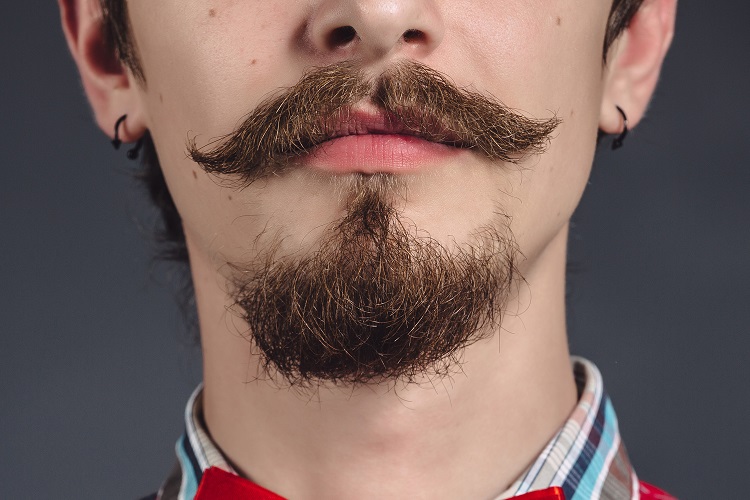
The French beard extends the goatee concept by adding a connected mustache and slightly wider chin coverage. It carries a refined, European sensibility that performs well in professional settings.
French beards suit 2026 because workplace grooming standards relaxed but still expect polish. This style communicates effort without excess. Define the borders clearly and keep length between 5 to 10mm for the cleanest appearance. A beard straightener manages curly or wavy chin hair that might disrupt the shape.
18. Anchor Beard

The anchor beard traces the jawline in a thin strip and connects to a pointed chin patch, forming a shape that resembles a ship’s anchor. Precision grooming at its most demanding.
This style fits 2026 because detailed, sculpted facial hair replaced volume-based styles as the mark of grooming skill. The anchor beard works best on men with strong jawlines that provide a natural guide for the line work. This is not beginner territory. It requires steady hands with a trimmer and frequent maintenance to prevent thin lines from looking uneven.
19. Soul Patch
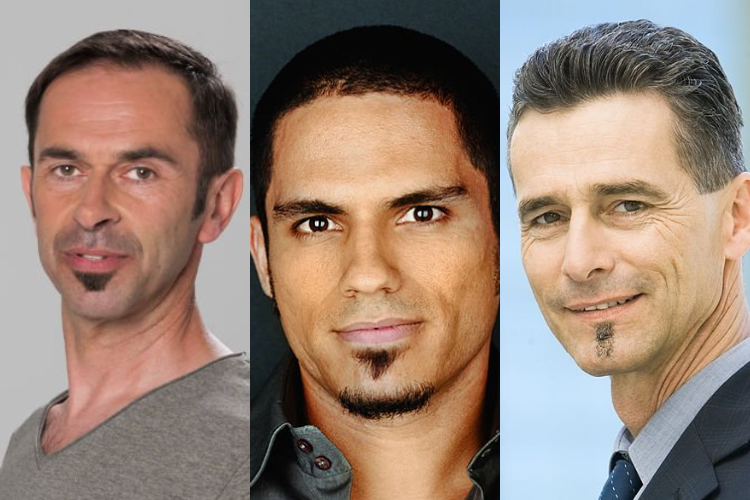
The soul patch places a small tuft of hair just below the lower lip. Minimal in size but distinctive in presence. It works standalone or as an accent piece within a larger beard configuration.
The soul patch resurfaced in 2026 because micro-grooming trends brought attention to small, intentional details rather than full-face coverage. Musicians and creatives popularized it again across social platforms. Upkeep is straightforward: trim the patch to a consistent shape and length every few days. Perfect for men who want facial hair identity without committing to a full grooming routine.
20. Chin Strap Beard
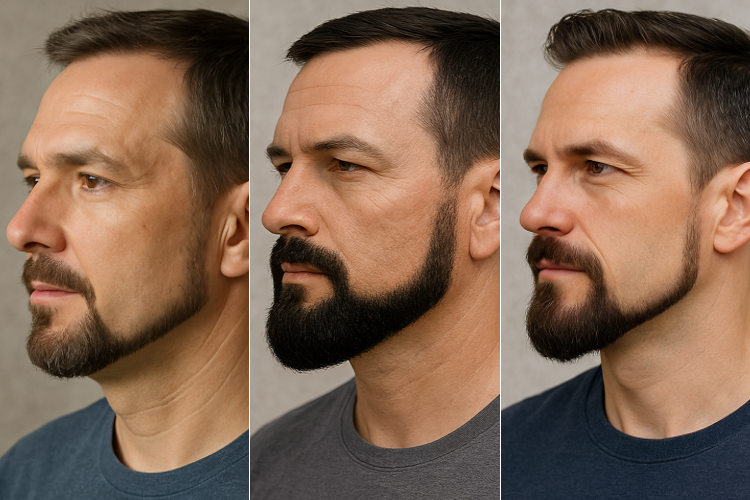
The chin strap beard follows the jawline from ear to ear in a narrow, defined band. It highlights jaw structure directly and works exceptionally well on men with strong, defined jawlines.
Chin straps regained popularity in 2026 because the streetwear and urban grooming aesthetic pushed sharp, geometric facial hair back into rotation. Keep strap width between 1 to 2cm for a modern interpretation. Wider straps transition into different styles, so consistency in line width is everything. Pair it with a buzz cut for a cohesive, sharp look.
How to Pick the Right Beard Style for Your Face
Picking a beard style is not about copying someone else’s look. Your hair growth density, growth pattern, face shape, and daily grooming time determine what actually works on your face.
Here is what most men get wrong. They choose the style first and then fight their natural growth to make it happen. That approach fails almost every time.
Start by growing your beard untouched for 4 to 6 weeks. Then evaluate honestly where your coverage is strongest and where gaps show up. Match that reality to styles that leverage your natural pattern instead of fighting it. Men with thinner growth benefit from concentrated styles like goatees or soul patches rather than full coverage that exposes patchiness.
Use the right tools. A proper beard comb, quality beard butter or beard oil, and a precision trimmer make the difference between a beard that looks grown and a beard that looks groomed. Avoid the common beard mistakes that ruin otherwise solid styles, like trimming the neckline too high or shaping the cheek line too aggressively.
The best beard style is the one you can maintain consistently. Choose based on your real growth, not aspirational growth, and commit to the grooming routine that style demands.