
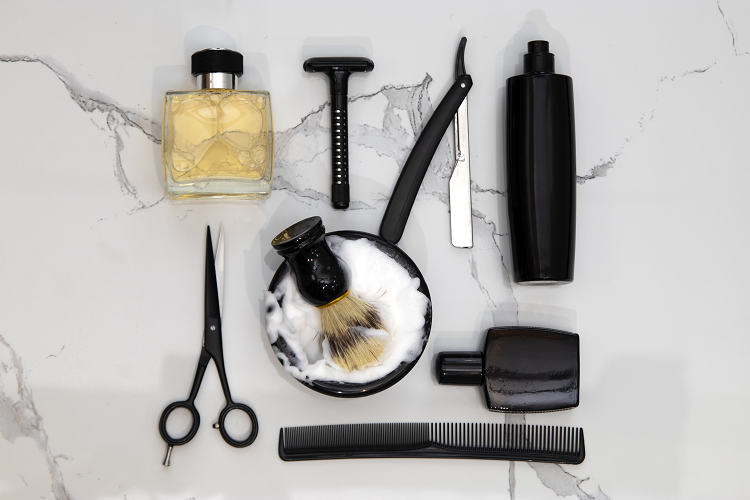
Beard care products fall into a small set of categories, and you do not need all of them. The essentials are a cleanser to keep the skin healthy, a leave-in conditioner to soften the hair, and a styling product if your look needs hold.
Which products you actually buy depends on your beard length, your hair type, and the problem you are solving. That might be itch, dryness, flyaways, or a style that will not hold.
This guide explains what each beard care product does, how oil, butter, balm and wax differ, how to use them, and where to buy them. Every category is covered in depth below, with a link to a dedicated roundup where you can compare the best beard care products and see current picks.
Most men need only three products at a time. A short beard runs on a wash and an oil, a medium or long beard adds a butter or balm, and only sculpted styles and mustaches need a wax.
- 🧼 Everyone: a gentle beard wash and a daily beard oil
- 🧔 Medium to long beards: add a beard butter for softness, or a beard balm for shape
- 💈 Styled looks: add a beard wax, or a mustache wax for the upper lip
- 🎁 Starting from scratch: a beard care kit bundles the basics for less
- Beard Care Products at a Glance
- Oil vs Butter vs Balm vs Wax
- 1. Beard Oil
- 2. Beard Butter
- 3. Beard Balm
- 4. Beard Wax
- 5. Mustache Wax
- 6. Beard Wash & Dandruff Shampoo
- 7. Beard Care Kits
- How to Choose the Right Products
- Products by Beard Type
- Where to Buy Beard Care Products
- The Complete Beard Care Routine
- How We Assess Products
- Frequently Asked Questions
Beard Care Products at a Glance
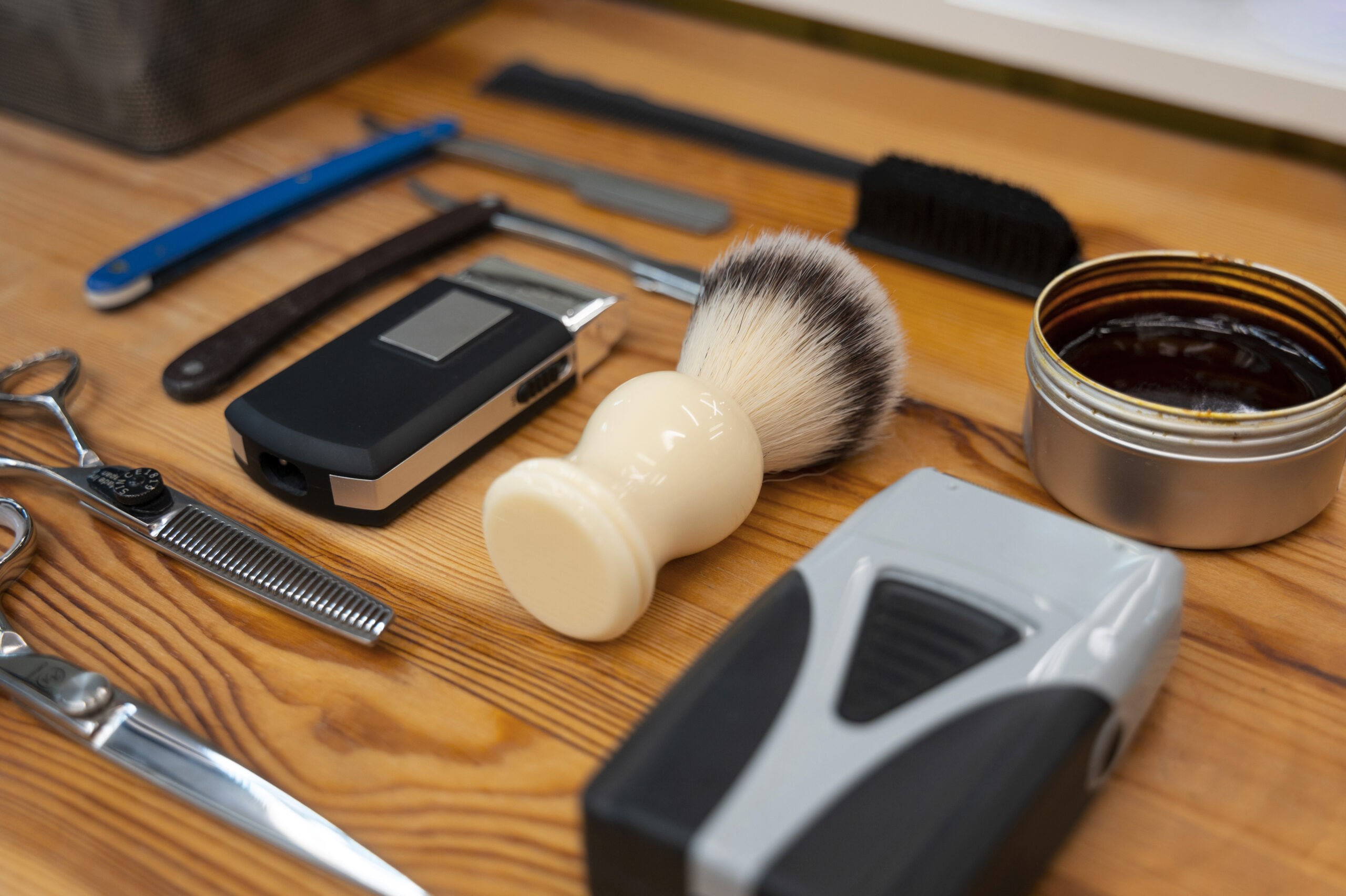
Seven product categories cover almost every beard. The table below shows what each does, how it feels, and who it suits. Each one is covered in depth in its own section further down.
| Product | What it does | Feel and hold | Best for |
|---|---|---|---|
| Beard oil | Hydrates skin, softens hair, reduces itch and flaking | Light, absorbs fast, no hold | Every beard, especially short growth and dry skin |
| Beard butter | Deep conditioning with a little control | Creamy leave-in, soft flexible hold | Medium to long beards, coarse or dry hair |
| Beard balm | Conditions and holds shape, tames flyaways | Waxier leave-in, medium hold | Medium to long beards that need shaping |
| Beard wax | Strong styling hold for sculpted looks | Firm and tacky, minimal conditioning | Shaped styles, stray hairs, all-day hold |
| Mustache wax | Firm hold to train and shape the mustache | Stiff, the strongest hold of any wax | Handlebar and other styled mustaches |
| Beard wash / dandruff shampoo | Cleans without stripping, treats flaking and itch | Rinse-out cleanser | Everyone, and anyone with beardruff |
| Beard care kit | Bundles the essentials in one purchase | Varies by kit | Beginners, gifts, starting a routine |
If you are starting from nothing, a beard care kit covers the basics in one box and works out cheaper than buying each item separately.
Beard Oil vs Butter vs Balm vs Wax: What’s the Difference?
The four leave-in products confuse almost everyone, but they line up on two simple axes: how much they condition, and how much they hold. Once you see where each one sits, choosing is easy.
Think of it as a slider from moisture to hold. Oil is pure conditioning with no hold, wax is almost all hold, and butter and balm fill the middle, with balm holding firmer than butter.
The simple rule: the more wax a product contains, the stiffer the hold and the less it moisturizes. That is why you layer them rather than pick only one.
| Product | Hold | Main job | Base | Best for |
|---|---|---|---|---|
| Beard oil | None | Moisturize skin and hair | Carrier oils | Daily conditioning, short beards, itch |
| Beard butter | Light | Deep conditioning, light control | Shea or cocoa butter plus oils | Softening, frizz, medium to long beards |
| Beard balm | Medium | Conditioning plus styling hold | Beeswax plus butter and oils | Shaping, taming, holding a style |
| Beard wax | Strong | Lock a style in place | High beeswax content | Sculpted styles, stray hairs, mustaches |
For the swap men ask about most, our guide to beard butter vs oil breaks down when to reach for each.
1. Beard Oil
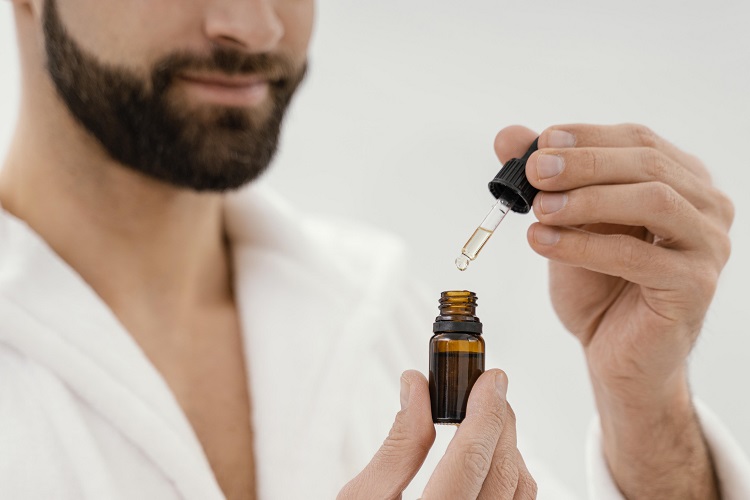
Beard oil is the one product almost every beard needs. It is a leave-in blend of carrier oils, often jojoba, argan, or sweet almond, that hydrates the skin underneath and softens the hair on top.
What it does
- Hydrates the skin under the beard and cuts the itch of early growth
- Softens coarse hair and tames frizz
- Reduces flaking and the beardruff caused by dry skin
- Adds a low, healthy sheen without a greasy shine
What to look for
- Named carrier oils first, such as jojoba, argan, or sweet almond
- A short ingredient list with no mineral oil or drying alcohol
- A light or fragrance-free scent if your skin is sensitive
- A dropper cap for controlled application
How to use it
Apply a few drops to a clean, towel-dried beard while the hair is still slightly damp. Work it down to the skin and out to the ends, once a day, or twice if your skin is very dry.
Mistakes to avoid
- Using too much and leaving the beard greasy
- Applying to a bone-dry beard instead of a damp one
- Coating only the hair and skipping the skin underneath
- Expecting oil to hold a style, which it does not do
See our roundup of the best beard oils to compare picks by hair type and scent. If your goal is fuller growth, see beard oil for growth.
2. Beard Butter
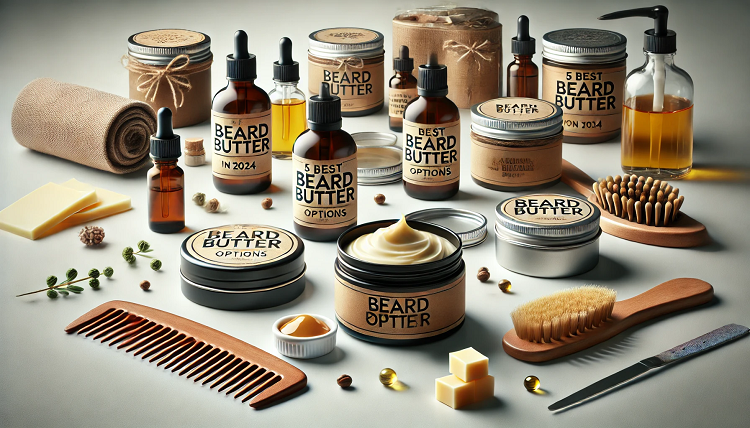
Beard butter is a whipped leave-in conditioner made from shea or cocoa butter blended with carrier oils. It is the strongest single product for making a beard feel soft, with a little control on top.
What it does
- Conditions deeper than oil for medium and long beards
- Softens coarse, dry, unruly hair and cuts frizz
- Adds soft, flexible control without the stiffness of a wax
- Feels less greasy than balm and absorbs cleaner than pure oil
What to look for
- Shea or cocoa butter high on the ingredient list
- Real carrier oils blended in, not cheap filler
- A jar size that matches how often you will use it
- A scent you will wear daily, or an unscented option
How to use it
Warm a small amount between your palms, then work it through a clean, dry beard from the skin outward. Use a pea-sized amount for short beards and more for long ones, since too much leaves it greasy.
Mistakes to avoid
- Scooping too much, which weighs the beard down
- Applying it to soaking-wet hair
- Skipping the comb-through that distributes it
- Using it as a styling product for firm hold
This is the deepest micro-cluster on the site. See the best beard butter for picks, learn what beard butter does, how much to use, whether to use it at night, or follow the DIY recipe.
3. Beard Balm

Beard balm conditions and holds at the same time. It adds beeswax to the butters and oils, which gives a medium hold that shapes the beard while still softening it.
What it does
- Holds a shape through the day thanks to beeswax
- Tames flyaways and a beard that grows outward instead of down
- Conditions, though slightly less than a pure butter of the same size
- Bridges softness and styling in a single step
What to look for
- Beeswax for hold, plus butters and oils for conditioning
- A hold level that matches your beard length and needs
- Natural ingredients without heavy fillers
- A scent that suits daily wear
How to use it
Scrape a small amount, warm it between your palms until it turns to liquid, then work it through a clean, dry beard and shape with a comb. For a straighter finish on wavy hair, follow with a beard straightener.
Mistakes to avoid
- Applying cold, unmelted balm that clumps in the hair
- Reaching for balm when you only need softness, where a butter is better
- Overloading a short beard that does not need hold
- Forgetting to shape with a comb after applying
See the best beard balms to compare hold strengths. Not sure between the two? Read balm vs butter.
4. Beard Wax
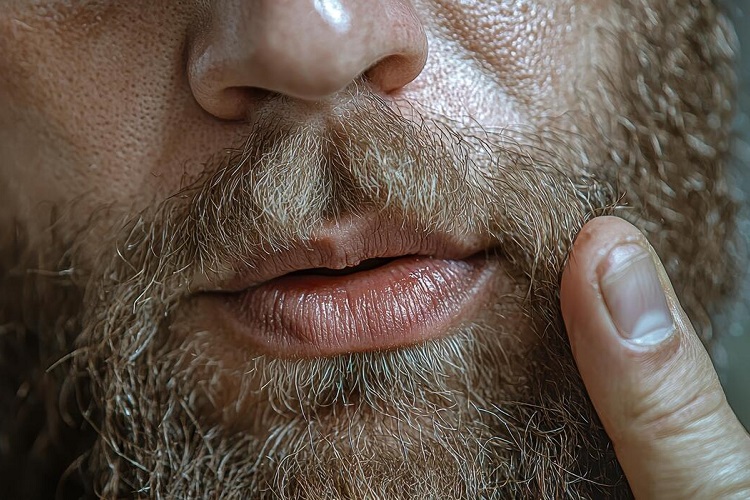
Beard wax is a styling product, not a conditioner. It uses a high proportion of beeswax to deliver the strongest hold of any beard product, made to lock a style in place.
What it does
- Holds sculpted shapes and defined styles all day
- Tames stray hairs that refuse to lie flat
- Gives the tips of a longer beard direction
- Adds little conditioning, so it works layered over oil or balm
What to look for
- A firm hold rating for real styling control
- Some conditioning oils so it is not purely stiff
- A small tin, since you use very little at a time
- A scent that layers well with your other products
How to use it
Warm a very small amount between your fingers so it spreads without clumping, then apply only to the areas you are shaping. Use it last, and only where you need hold, since too much leaves the beard stiff.
Mistakes to avoid
- Using too much and leaving the beard crunchy
- Applying wax before oil, which blocks moisture
- Spreading it through the whole beard instead of target areas
- Relying on wax for conditioning, which it barely provides
See the best beard wax to match a hold strength to your style.
5. Mustache Wax

Mustache wax is a firmer, stickier wax made for the upper lip. A mustache needs a stronger, more precise hold than the rest of the beard, and mustache wax is built for exactly that.
What it does
- Trains and holds styled mustache shapes, curls, and points
- Is non-negotiable for a handlebar mustache
- Keeps mustache hairs off the lip line on a full beard
- Sets firmer than beard wax for all-day hold
What to look for
- A firm or strong hold made specifically for the upper lip
- A stiffer set than beard wax for curls and points
- A small container, since a little lasts a long time
- A wax that stays workable once warmed
How to use it
Warm a tiny amount between your fingertips, apply it to a dry, combed mustache, then shape the ends by hand or with a small comb. Use the least you can, since mustache wax is potent.
Mistakes to avoid
- Using softer beard wax when the mustache needs firmer hold
- Applying too much and stiffening the whole lip
- Skipping the warm-up, so the wax clumps
- Not combing the mustache into shape first
See the best mustache wax, from light shaping to competition-grade. For the style itself, see the handlebar mustache guide.
6. Beard Wash and Dandruff Shampoo
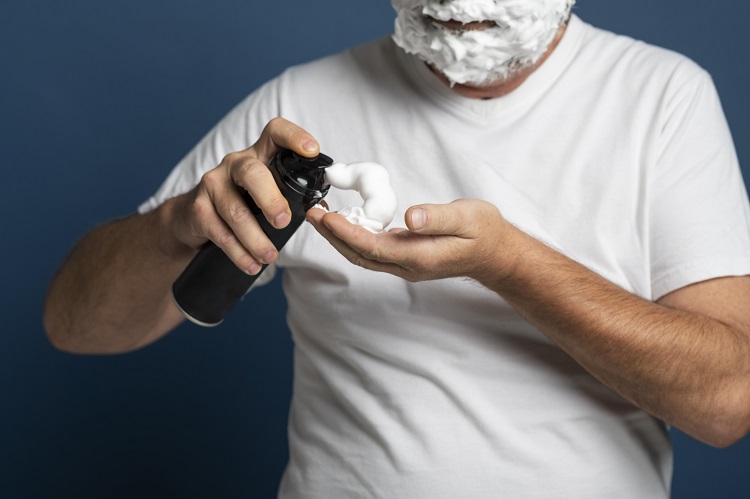
Everything else works better on a clean base. A dedicated beard wash cleans the hair and skin without stripping the natural oils that ordinary shampoo and soap remove.
What it does
- Cleans without the stripping that causes dryness and itch
- A dandruff shampoo treats persistent flaking and beardruff
- Targets the yeast and dryness behind flaking, not just the surface
- Sets up your oil and butter to work better
What to look for
- A gentle, sulfate-free beard wash for everyday use
- An active ingredient in a dandruff shampoo for stubborn flaking
- No harsh soaps or drying alcohols
- A formula made for facial hair, not scalp hair
How to use it
Wash two to three times a week, not daily, and follow with oil while the beard is damp. Use a dandruff shampoo on treatment days until the flaking settles, then return to a gentle wash.
Mistakes to avoid
- Washing every day and stripping the skin
- Using bar soap or hair shampoo on the beard
- Skipping oil after washing
- Expecting one wash to clear stubborn flaking overnight
See the best beard dandruff shampoo for what calms itch and flaking most effectively.
7. Beard Care Kits
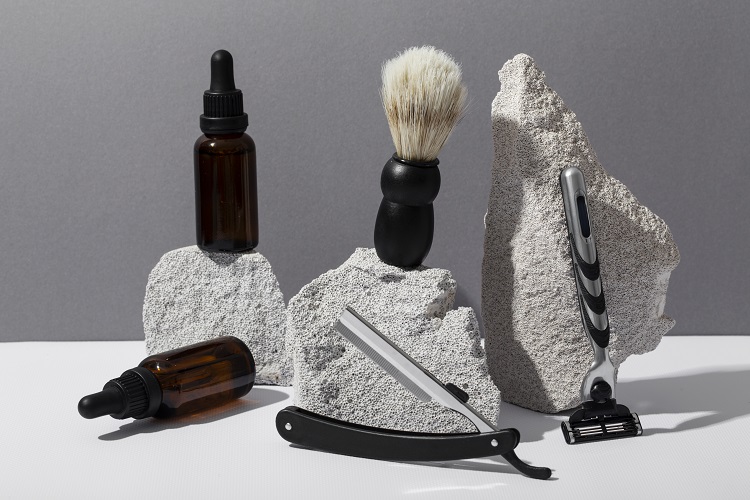
A beard care kit bundles the essentials into one purchase. A typical kit includes a beard oil, a butter or balm, a wash, and a grooming tool or two.
What it does
- Covers the basics in one box, cheaper than buying separately
- Takes the guesswork out of starting a routine
- Better kits add a comb or trimmer for a full setup
- The trade-off is less control over matching each product to your beard
What to look for
- The essentials you actually need, such as oil, wash, and a butter or balm
- A comb or brush included for real added value
- Quality formulas, not a low price propped up by filler
- A size and scent that suit you
Who it is for
Beginners assembling a first routine, and anyone buying a gift for a beard grower. Experienced growers usually buy full-size products individually instead.
Mistakes to avoid
- Buying a kit padded with products you will not use
- Choosing on price alone over ingredient quality
- Assuming a kit replaces matching products to your beard
- Ignoring the included comb or trimmer
See the best beard care kits to compare what each one includes.
How to Choose the Right Products for Your Beard
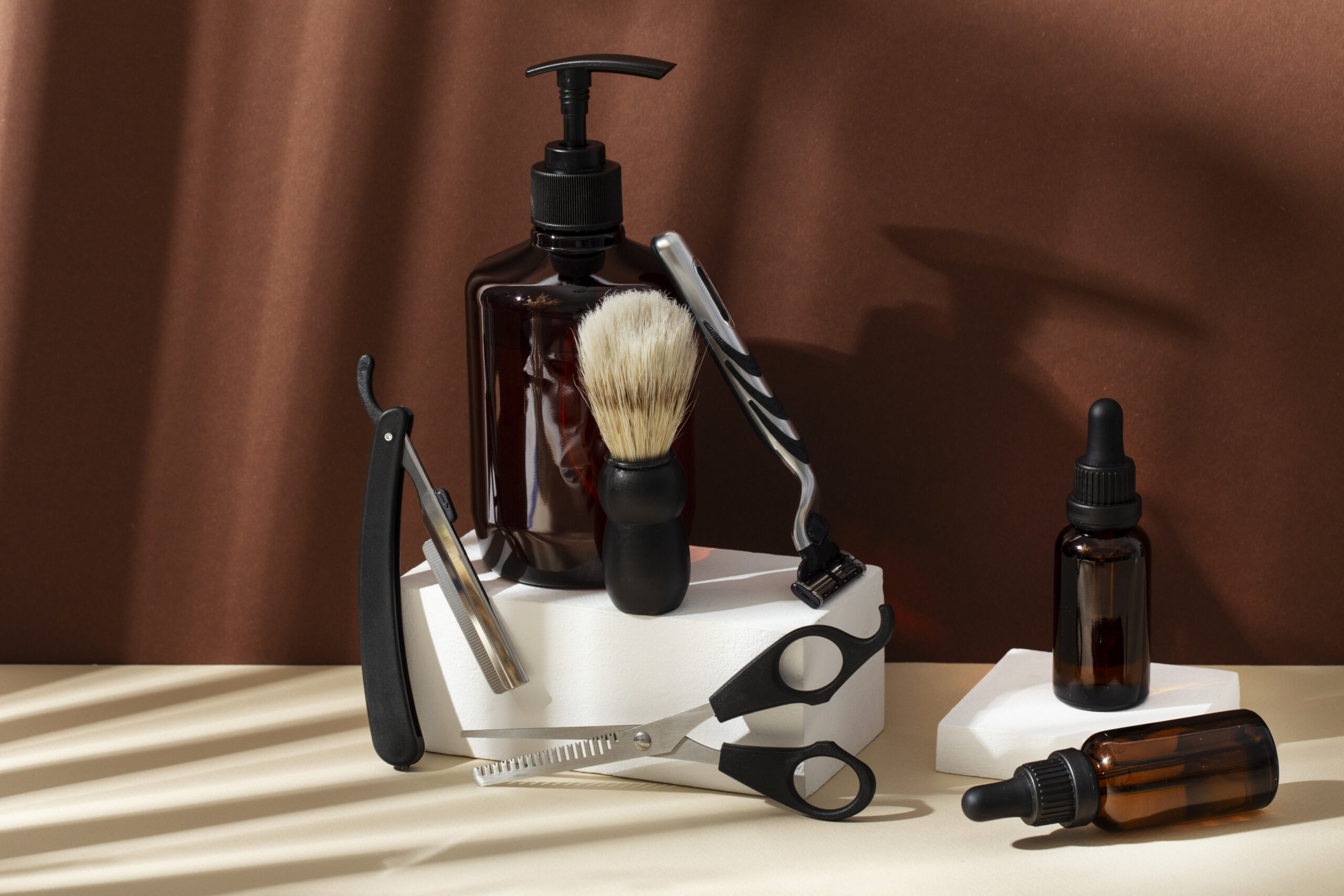
The right products come down to four things: your beard length, your hair type, the problem you are solving, and the quality of what is inside the bottle. Work through them in order and the shortlist gets small fast.
📏 By Beard Length
Stubble and short beards need a wash and a beard oil, and little else. Medium beards add a butter or balm.
Long beards need the most conditioning, so a daily butter plus oil is standard, with a wax on hand for shaping the tips.
🧔 By Hair Type
Coarse, dry hair drinks up moisture, so a rich butter paired with oil is the softening combination that works.
Fine hair is weighed down by heavy products, so a light oil and a little balm beats a thick butter.
✊ Coarse & Textured Hair
Coily, tightly curled hair is usually the driest, so moisture is the priority. A daily oil plus a rich butter is the core.
Our guide to beard styles for black men covers shaping the coverage you have.
🌿 Natural Products
Natural products lead with plant oils and butters instead of synthetic fillers, which suits sensitive skin.
Natural does not automatically mean better, so judge each one on its ingredients and how your skin responds.
🔎 What to Look for on the Label
Read the ingredient list first. The best products lead with recognizable carrier oils and butters, not filler.
A short, honest list beats a long one full of additives, and fragrance-free suits sensitive skin.
💰 Value
Judge value by cost per ounce and the quality of the blend, not the sticker price alone.
A kit is usually the best value when starting out, then buy full-size versions of the products you use most.
Ingredients Worth Knowing
A few ingredients tell you most of what you need about a product’s quality.
Beard Care Products by Beard Type and Need
Use this quick reference to match products to your beard type, length, and goal. Each product is covered in full in its section above.
Where to Buy Beard Care Products
You can buy beard care products almost anywhere now, from pharmacies to specialist beard brands. Where you shop mainly affects price, range, and how well you can match a product to your beard.
In stores near you
Drugstores, supermarkets, and barbershops stock the basics, so a beard oil or wash is easy to find locally. Widely available brands such as Proraso and Gillette sit on most shelves and cover everyday grooming.
The trade-off is a narrow range, since local stores rarely carry balms, butters, or specialist formulas.
Buying online
Online is where the real choice is, from dedicated beard brands to natural, artisan, and black-owned makers. You get the full range, honest ingredient lists, and verified reviews to compare before you buy.
Our category roundups link straight to current options, so you can shop by product type rather than by guesswork.
The Complete Beard Care Routine, Step by Step
Owning the products is only half of it. The order you apply them in is what makes them work together. Here is how to use beard care products, from clean to styled.
Wash, two to three times a week. Clean the beard and skin with a dedicated beard wash, not hair shampoo or soap. If you are dealing with flaking, use a dandruff shampoo on treatment days.
Towel dry to damp. Pat the beard until it is no longer dripping but still slightly damp. Products spread and absorb better on damp hair than on soaking or bone-dry hair.
Apply beard oil, every day. Work a few drops of oil down to the skin and out to the ends. This is the hydration step and the foundation of the routine, so do not skip it on non-wash days.
Add butter or balm on medium and long beards. Use a butter for softness with light control, or a balm for more shape. Short beards can stop at oil.
Comb or brush to distribute and shape. Run a comb through to spread the product evenly and train the hair. Our guide on how to comb your beard covers the technique.
Finish with wax, only if the style needs it. Add a beard wax to shape and lock, or a mustache wax for the upper lip. Apply it last and only where you need hold.
Trim on a schedule. Shape the beard every few days with a quality trimmer, and clean up the cheek line and neckline to keep it looking deliberate.
For overnight care on longer beards, a light layer of butter before bed lets the hair absorb it while you sleep. Once your products are dialed in, the last piece is matching the shape to your face.
How We Assess and Recommend Products
Our category roundups are built on formulation and evidence, not hype. For each product we look at the ingredient list, how transparent the brand is about what is inside, the pattern of verified buyer feedback across retailers, and the value for the price.
We do not claim to have personally tested every product on the site, because an honest recommendation is more useful than a manufactured one. Our recommendations are independent and never influenced by paid placement.
Beard care products are cosmetics, and skin conditions such as persistent flaking, acne under the beard, or hair loss can have medical causes. See a dermatologist if a problem does not settle with a good routine.
Frequently Asked Questions
These cover what men search for most about beard care products.
Most men need three: a beard wash to clean without stripping, a beard oil to hydrate the skin and soften the hair, and a leave-in butter or balm once the beard reaches medium length.
Add a wax only if your style needs hold. A short beard can run on just a wash and an oil.
The best beard care products are the ones that match your beard length and hair type, not a single universal winner. For most men that means a quality beard oil, a butter or balm, and a gentle wash.
Compare current picks for each category in the roundups linked in each section above.
Beard oil is a lightweight blend of carrier oils that absorbs into the skin and hair and provides zero hold. Beard butter is a whipped leave-in that conditions more deeply and adds a soft, flexible control.
Oil is best for skin and short beards, while butter is best for softening medium and long beards.
Use beard oil for daily hydration and beard balm when you also need to shape the beard and control flyaways. They are not either-or.
Many men apply oil first for the skin, then a balm on top for hold.
On a short beard, oil alone is usually enough. On medium and long beards, using oil for the skin and a butter or balm for the hair works better than either on its own.
Oil hydrates the skin, while a butter or balm conditions and controls the hair.
Wash first, towel dry to damp, then apply oil, then a butter or balm, then comb to distribute, and finish with wax only where you need hold.
The rule is lightest and most hydrating first, strongest hold last. Applying wax before oil would seal the skin off from moisture.
Once a day is standard, ideally after washing or rinsing while the beard is still slightly damp. If your skin is very dry or the weather is harsh, twice a day is fine.
Beard oil is gentle enough for daily use.
Yes. Beard butter is a leave-in conditioner designed for daily use, and regular use is what keeps a beard soft.
The main thing to watch is the amount, since too much leaves the beard greasy.
Look for recognizable natural carrier oils and butters near the top of the ingredient list, and a short, honest formula rather than a long list of additives.
If your skin is sensitive, favour lighter or fragrance-free options, and match the product type to your beard length and the problem you are solving.
Products with drying alcohols, harsh cleansers, or heavy synthetic fragrance can strip moisture and leave a beard feeling dry, and over-washing or using scalp shampoo does the same.
Switch to a gentle beard wash and a carrier-oil-based beard oil, and wash less often, to fix it.
Natural products are often gentler because they rely on plant oils and butters instead of synthetic fillers, which suits sensitive skin.
Natural does not automatically mean better, since a poorly formulated natural product can still underperform. Judge each one on its ingredients and how your skin responds.
Coily, tightly curled hair is usually the driest and coarsest, so moisture is the priority. A daily beard oil plus a rich beard butter is the core combination, with a soft brush to train the curl.
Many black-owned and dedicated beard brands formulate specifically for coarse, coily hair.
The most effective combination is a beard oil plus a beard butter. The oil hydrates the skin and hair, and the richer butter coats and softens coarse strands over time.
Consistent daily use matters more than any single product, and results build over a couple of weeks.
Start with a daily beard oil, since most itch and flaking come from dry skin under the hair. If flaking persists, use a beard dandruff shampoo on your wash days until it settles.
Avoid over-washing and harsh soaps, which make the problem worse.
There is no single best brand, since it depends on your hair type and budget. Dedicated beard brands and natural or artisan makers tend to offer the strongest formulas, while widely available names cover the basics.
Compare specific products in our roundups rather than picking on brand name alone.
Drugstores, supermarkets, and barbershops carry basics like beard oil and wash locally. For balms, butters, and specialist formulas, online retailers and dedicated beard brands have the full range.
Buying online also lets you compare ingredients and reviews before you commit.
A beard care kit usually gives the best value when you are starting out, since it bundles several essentials for less than buying each one separately.
Once you know what your beard needs, buying full-size versions of the products you use most is more economical.
For beginners and as gifts, yes. A kit bundles the essentials at a lower total price and takes the guesswork out of starting a routine.
The trade-off is less control over matching each product to your exact hair type, which is why experienced beard growers often buy individually.
It is not ideal. Hair shampoo and bar soap strip the natural oils from beard hair and the skin beneath, which causes dryness, itch, and flaking.
A dedicated beard wash and a beard oil are formulated for facial hair and the skin under it, which is why they work better.
Oils and butters keep the skin and hair healthy, which supports the beard you can grow, but they do not change your genetics or fill in patches on their own.
The approaches with the most evidence are a derma roller and, separately, minoxidil, though results vary and minoxidil is a medication. Speak to a professional before starting anything aimed at hair growth.
The Bottom Line
Beard care is simpler than the shelf of products makes it look. Clean without stripping, hydrate with oil every day, add a butter or balm as the beard grows, and reach for wax only when a style needs to hold.
Match the products to your length, hair type, and the problem in front of you, and stay consistent. That, more than any single product, is what keeps a beard soft and healthy.
Got your products sorted? The next step is choosing the style to match.
Explore the Top 20 Beard Styles for Men →
I’m a regular guy who got way too into beard care and started writing it all down. Everything here comes from my own experience with my own beard, not from a brand brief.
Pingback: Best Beard Shampoo and Conditioner Sets: 7 Options Reviewed!
Pingback: Best Beard Moisturizers for Men: 7 Options Reviewed & Compared
Pingback: Best Beard Serums: 8 Top Picks for Growth & Softness