

Grooming a beard is not one job but a short routine: keep the skin and hair clean and conditioned, trim to a consistent length, shape the neckline and cheek line, and maintain it between trims. Done in the right order, it takes only a few minutes a day.
The good news is that you can do all of it at home with a small kit. A trimmer, a comb, a beard wash, and an oil cover almost everything, and you add products as your beard grows.
This guide walks through the complete routine step by step, then answers the specific how-to questions, from washing and trimming to shaping the lines and softening a coarse beard. Each task links to the exact tool or product that solves it.
To groom a beard, wash it two to three times a week, apply beard oil daily, trim to an even length, shape the neckline and cheek line with a bare blade, comb it into place, and maintain it every few days. Work from clean to conditioned to trimmed to shaped.
- 🧼 Clean: wash two to three times a week, then towel dry
- 💧 Condition: apply beard oil daily, add a butter or balm as it grows
- ✂️ Trim and shape: even the length, then set the neckline and cheek line
- 💈 Maintain: comb daily, trim every few days, tidy the lines weekly
- The Complete Grooming Routine
- What You Need to Start
- How to Wash a Beard (and How Often)
- Beard Products and How to Use Them
- How to Trim a Beard
- How to Shape the Neckline and Cheek Line
- How to Line Up, Edge, and Fade
- How to Comb and Detangle
- How to Tame Frizz and Flyaways
- How to Soften a Coarse Beard
- How to Make a Beard Look Thicker
- How to Fix an Uneven Beard
- How to Groom Your Mustache
- Grooming by Beard Length and Type
- Common Mistakes to Avoid
- Daily and Weekly Maintenance
- Frequently Asked Questions
The Complete Beard Grooming Routine, Step by Step
The order of a beard grooming routine is: wash, dry, oil, trim, shape, comb, condition, and maintain. Working lightest and cleanest first, then trimming, then shaping, gives the most consistent result and avoids overcutting.
Here is the full sequence. Each step is covered in more detail in its own section below.
Wash and dry. Clean the beard with a dedicated beard wash two to three times a week, then towel dry until it is damp, not dripping. A dry beard shows its true length before you trim.
Apply beard oil. Work a few drops of oil down to the skin and out to the ends every day. This is the hydration step and the foundation of a healthy, itch-free beard.
Trim to length. On a fully dry beard, start with the longest guard and work down one step at a time. Even up both sides against the same setting so the beard stays symmetrical.
Shape the neckline and cheek line. Switch to the bare blade and set the two lines that define the beard. Keep the neckline above the Adam’s apple and the cheek line high and gently curved.
Detail with scissors. Snip any stray hairs and tidy the mustache and the ends, where scissors give more control than a trimmer.
Comb and condition. Comb the beard into shape, then add a butter or balm on medium and long beards for softness and light control. Finish with a wax only if your style needs firm hold.
Maintain. Comb daily, oil daily, trim every few days, and tidy the neckline and cheek line about once a week to keep the shape sharp between fuller sessions.
What You Need to Groom a Beard at Home
You do not need a drawer full of gadgets. Four tools and a couple of products cover almost every beard, and you add the rest as your beard grows and your style gets more defined.
The essentials are a trimmer to set the length, a comb or brush to shape and detangle, a beard wash to clean without stripping, and a beard oil to condition. Scissors, a razor for edges, and a butter, balm, or wax come next.
If you are starting from nothing, a beard care kit bundles the basics in one box and works out cheaper than buying each item separately.
How to Wash a Beard, and How Often
Wash your beard two to three times a week with a dedicated beard wash, not daily and not with bar soap or hair shampoo. Over-washing and harsh cleansers strip the natural oils and cause the dryness, itch, and flaking most men blame on the beard itself.
To wash it, wet the beard, work a small amount of beard wash down to the skin, then rinse fully and pat dry. On the days you do not wash, a rinse with water and a fresh application of oil is enough.
If you get persistent flakes, a dandruff shampoo made for beards clears the yeast and dryness behind beardruff. See the best beard dandruff shampoo for what calms itch and flaking most effectively.
Beard Products and How to Use Them
Apply beard products lightest first: oil to a clean, towel-dried beard, then a butter or balm, and finally a wax if your style needs hold. Oil hydrates the skin and hair, a butter or balm softens and adds light control, and a wax locks a shape in place.
Beard oil is the one product almost every beard needs, and it goes on daily. Use a few drops on a short beard and more on a long one, working it from the skin outward. See our roundup of the best beard oils to match one to your hair type.
Butter and balm are leave-in conditioners you add as the beard grows. A butter is best for softness, and a balm adds more shaping hold. For picks and hold levels, see the best beard balms.
How to Trim a Beard Evenly
To trim a beard evenly, start on a clean, dry beard with the longest guard, then step down one length at a time until you reach the length you want. Trimming dry matters, since wet hair sits longer than it really is and you will take off more than you meant to.
Move the trimmer against the direction of growth for an even cut, and work in the same pattern on both sides so the beard stays symmetrical. Comb the beard first so the hairs stand up and cut to a true, consistent length.
To take a beard shorter without ruining the shape, drop only one guard size at a time and check the mirror between passes. See the best beard trimmers for men to compare guard stability and length range.
How to Shape a Beard: The Neckline and Cheek Line
Shaping is where most home grooming goes wrong, and it comes down to two lines: the neckline under the jaw and the cheek line along the top. Getting both right is what makes a beard look deliberate rather than overgrown.
Where should the beard neckline sit?
The neckline should sit about two finger-widths above your Adam’s apple, not along the jaw. Picture a curved line running from behind one ear, dipping down to that point above the Adam’s apple, and back up to the other ear, then trim everything below it.
Where should the cheek line sit?
For a natural look, follow the top edge of where your beard grows and only shave the stray hairs above it. For a defined look, set a gently curved line from the bottom of the sideburn to the corner of the mustache.
Use the bare blade of a trimmer or a razor for both lines, work from the center outward in short strokes, and step back from the mirror to check symmetry before you commit.
How to Line Up, Edge, and Fade a Beard
To line up a beard, remove the guard and use the bare blade or a razor to define the cheek line, the neckline, and the edges around the mustache and sideburns. Clean, sharp edges are what separate a groomed beard from a scruffy one.
Work in small, controlled strokes and use the natural lines of your face as a guide. A shaping template can help you keep both sides even if you struggle to freehand a straight edge.
Fading the beard into your hairline blends the sideburns into the beard for a seamless look, using shorter guard lengths as you move up. Our guide on how to fade a beard walks through the technique step by step.
How to Comb and Detangle a Beard

To detangle a beard, apply oil first, then work through the knots gently with a wide-tooth comb, starting at the ends and moving up toward the roots. Combing after oil, rather than dry, lets the comb glide instead of tearing the hair.
A comb suits medium and long beards and precise styling, while a brush trains shorter beards and spreads oil evenly. Combing before a trim also lays the hair flat for a cleaner, more even cut.
A saw-cut wooden comb beats a moulded plastic one, which snags and creates static. Our guide on how to comb your beard covers the technique, and the best beard combs roundup compares materials.
How to Tame Frizz and Flyaway Hairs
To tame a frizzy beard, condition it daily with oil, use a butter or balm to weigh down flyaways, and comb it into shape. Frizz is usually dryness, so consistent moisture fixes most of it.
For stubborn flyaways and stray hairs that will not lie flat, a small amount of beard wax gives firm, all-day control. See the best beard wax to match a hold strength to your style.
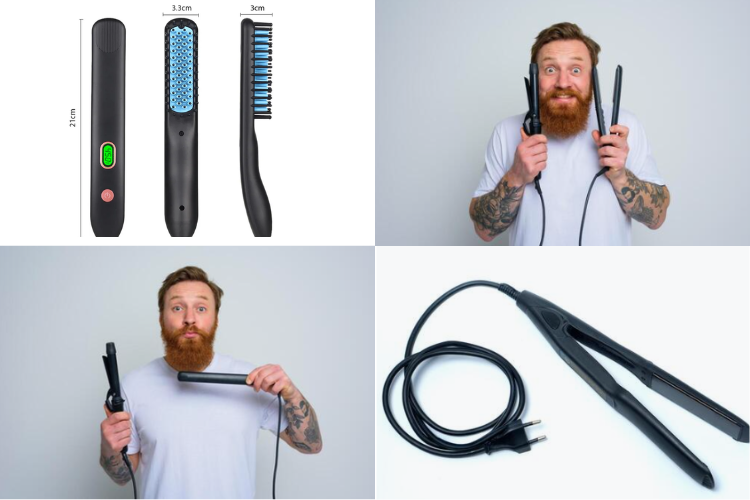
For wavy or curly beards that need more than product, a heated beard straightener relaxes the curl and lays the hair flat. Always use one on a fully dry beard, and see the 8 best beard straighteners for safe, effective picks.
How to Soften a Coarse or Wiry Beard
To soften a coarse beard, wash two to three times a week, apply beard oil every day, and add a richer beard butter, then comb it through to the skin. Softness builds over one to two weeks of consistent conditioning rather than overnight.
Coarse and wiry hair is usually the driest, so moisture is the priority. A butter that leads with shea or cocoa butter coats and softens rough strands better than oil alone.
The best beard butter roundup covers the richest conditioning formulas for coarse and textured beards.
How to Make a Beard Look Thicker and Fuller
To make a beard look thicker, keep it well conditioned so it breaks less, brush it to fan the hairs and cover gaps, trim it to a length that hides sparse spots, and keep the lines sharp so the shape reads as full. A healthy, well-shaped beard looks fuller than a longer, patchy one.
Grooming makes the beard you have look its best, but genuine growth support comes from a healthy routine over time. A daily oil keeps the skin and follicles healthy, and some men use a derma roller to stimulate patchy areas.
For the growth side, see beard oil for growth and our guide on how to use a derma roller. For styling around thinner growth, these thin beard hacks help a sparse beard look fuller.
How to Fix an Uneven or Patchy Beard
A beard usually looks uneven because it was trimmed while wet, rushed, or cut without combing first, so the two sides ended up at different lengths. To fix it, let the beard grow out for a week, comb it dry, and even up both sides against the same fixed guard length.
For genuine patchiness, where hair grows thinly in places, style around it rather than fighting it. Growing the beard slightly longer lets denser areas fall over sparse ones, and keeping the shape tight makes the coverage look fuller.
Our guide to patchy beard styles covers the shapes that work best with uneven growth.
How to Groom Your Mustache with a Beard
To groom a mustache alongside a beard, comb it down, trim the hairs that hang over the top lip to the lip line with scissors or a trimmer, and shape the edges where it meets the beard. Keeping it off the lip is the difference between tidy and unkempt.
For a styled mustache, a firm mustache wax trains the shape and holds curls or points, which a beard wax is usually too soft to do. Warm a tiny amount, apply it to a dry, combed mustache, and shape the ends by hand.
See the best mustache wax for options from light shaping to a firm competition hold.
How to Groom a Beard by Length and Type
The routine stays the same, but the emphasis shifts with your beard’s length, texture, and stage of growth. Use this quick reference to match the approach to your beard.
Common Beard Grooming Mistakes to Avoid
Most grooming problems come from a handful of avoidable mistakes. Sidestep these and your beard will look better with less effort.
The big ones are trimming a wet beard, which takes off more than you expect, and setting the neckline too high along the jaw, which strips the beard’s fullness. Over-washing with soap, skipping oil, and rushing the shaping are close behind.
Our full breakdown of beard mistakes covers the errors that undo good grooming and how to correct them.
Daily and Weekly Beard Maintenance
Grooming is not a one-off. A little upkeep on a schedule keeps a beard sharp between fuller sessions and between barber visits.
Daily: apply beard oil, comb or brush the beard into shape, and tidy any obvious stray hairs. This takes about five minutes and is what keeps the beard soft and neat day to day.
Weekly: wash two to three times, do a fuller trim if needed, and clean up the neckline and cheek line so the shape stays crisp. Add a butter or balm through the week for conditioning.
As needed: deep-condition a coarse beard, straighten curl for special occasions, and re-shape fully every few weeks. Between barber visits, maintaining your own lines is what keeps the beard looking freshly cut.
Frequently Asked Questions
These cover what men search for most about grooming a beard.
Start simple: wash the beard two to three times a week, apply beard oil daily, trim to an even length on a dry beard, and set a clean neckline and cheek line. A trimmer, a comb, a wash, and an oil are all you need to begin.
Add a butter, balm, or wax as the beard grows and your style develops. Consistency matters more than any single product.
The correct order is wash, dry, oil, trim, shape the lines, comb, condition, then finish with wax if needed. Working cleanest and lightest first, then trimming, then shaping, gives the most consistent result.
Always trim and shape on a fully dry beard so you can see its true length.
A daily grooming routine takes about five to ten minutes: oil, comb, and a quick tidy. A fuller weekly session with a wash, a detailed trim, and shaping takes fifteen to twenty minutes.
New and short beards need less trimming and more conditioning, so they take even less time day to day.
While growing a beard out, resist trimming the length for the first four to six weeks, and focus on washing, oiling, and combing to beat the itch and keep the skin healthy. Let it fill in before you shape it.
Once it has length, tidy only the neckline and cheek line to keep it looking intentional rather than untrimmed.
The neckline should sit about two finger-widths above your Adam’s apple, following a curved line up toward each ear. Trim everything below that line.
Never set the neckline along the jawbone, which removes the fullness under the chin and makes the beard look weak.
Comb the beard first, then trim on a dry beard with the same guard length on both sides, moving against the grain. Work in the same pattern on each side and check symmetry in the mirror as you go.
Trimming wet or without combing is the most common cause of an uneven result.
Apply beard oil first, then balm. Oil is lighter and penetrates the hair and skin, so it goes on a towel-dried beard before anything else, and balm layers on top to seal in moisture and add hold.
Applying balm first would block the oil from absorbing properly.
Wash your beard two to three times a week with a dedicated beard wash, not every day. Over-washing strips the natural oils and causes dryness and itch.
On non-wash days, rinse with water and reapply oil. Use a dandruff shampoo on wash days if you have persistent flaking.
Yes, but the beard-specific version. A leave-in beard butter or balm conditions facial hair better than rinse-out hair conditioner, which is formulated for the scalp.
A daily beard oil also conditions the skin and hair, and together oil and butter keep a beard soft.
Wash two to three times a week, apply oil daily, and add a rich beard butter, then comb it through to the skin. The oil hydrates and the butter coats and softens coarse strands over time.
Consistent daily conditioning is what softens a beard, and results build over a couple of weeks.
Most beard itch comes from dry skin under the hair, so a daily beard oil is the fix. Wash with a gentle beard wash rather than soap, and avoid over-washing.
If flaking comes with the itch, a beard dandruff shampoo on wash days clears it.
Trim the damaged ends off, since split ends cannot be repaired once they form. Then prevent new ones by conditioning daily with oil and butter and combing gently rather than tugging.
Heat from a straightener used too hot or too often is a common cause, so keep the heat moderate.
It usually looks uneven because it was trimmed wet, rushed, or cut without combing first, so the two sides ended up at different lengths. Fix it by letting it grow out for a week, then combing dry and evening both sides against the same guard.
Genuine patchiness is different and is best handled by styling around it.
Use the beard to balance your face: add length at the chin to lengthen a round face, and keep the sides shorter and the bottom flatter to soften a long face. A fuller beard can also add definition to a weak or receding chin.
The neckline and cheek line placement do most of the work in shaping how the beard frames your face.
Comb and oil daily, and tidy your own neckline and cheek line about once a week so the shape does not drift. Snip stray hairs with scissors as they appear.
Maintaining your two lines is what keeps a beard looking freshly cut between professional trims.
Wait until the beard has filled in, usually four to six weeks, before trimming the length. Trimming too early removes growth you need to see the full shape.
You can tidy the neckline earlier to keep it neat, but leave the overall length alone while it develops.
Keep a curly beard well moisturised with daily oil and a butter, comb it into shape, and use a straightener on a dry beard when you want a flatter finish. Moisture and control are the priorities.
Trimming curly beards a little longer than they look also accounts for the shrinkage the curl creates.
A razor is not essential, but it gives the cleanest, sharpest edges on the neckline and cheek line at skin level. A trimmer’s bare blade also defines the lines well with care.
Many men use a trimmer for length and shape and a razor only for the crisp bottom edge of the neckline.
A daily routine is: apply a few drops of beard oil, comb or brush the beard into shape, and tidy any stray hairs. It takes about five minutes and keeps the beard soft and neat.
Washing, a fuller trim, and shaping the lines happen weekly rather than every day.
The Bottom Line
Grooming a beard comes down to a short, repeatable routine: clean it, condition it, trim it to an even length, shape the neckline and cheek line, and maintain it between sessions. Get those basics consistent and the beard looks after itself.
Match your products and tools to your beard’s length and texture, be exact about your two lines, and keep it up daily. That, more than any single product, is what keeps a beard looking sharp.
Now put it into practice with the rest of the system.
Top 20 Beard Styles Beard Care Products Guide Beard Grooming Tools Guide
I’m a regular guy who got way too into beard care and started writing it all down. Everything here comes from my own experience with my own beard, not from a brand brief.
Pingback: Best Beard Shampoo and Conditioner Sets: 7 Options Reviewed!